
Asthma is a long-term condition where the airways narrow and swell, making breathing harder — often in episodes set off by triggers like cold air, exercise, dust or infections. This page gathers our best material in one place: what happens in the airways, how asthma is treated day to day, and when an attack needs urgent help.
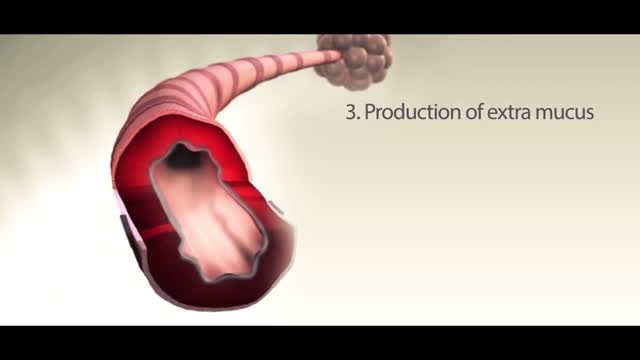 What is Asthma
45,294 views
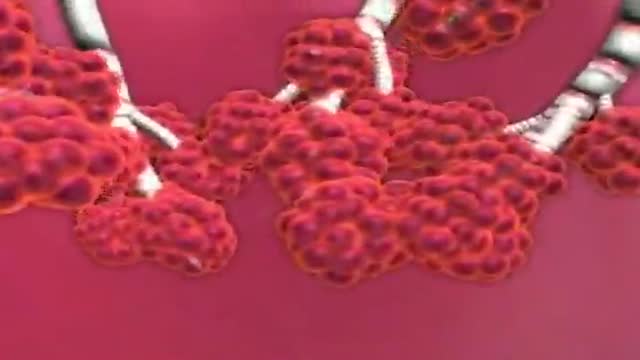 Asthma Mechanism 3D
34,290 views
 Exhaled Nitric Oxide (eNO) Monitor – Apieron's non-invasive monitor to measure exhaled nitric oxide
16,350 views
 How to exercise if you have asthma?
11,208 views
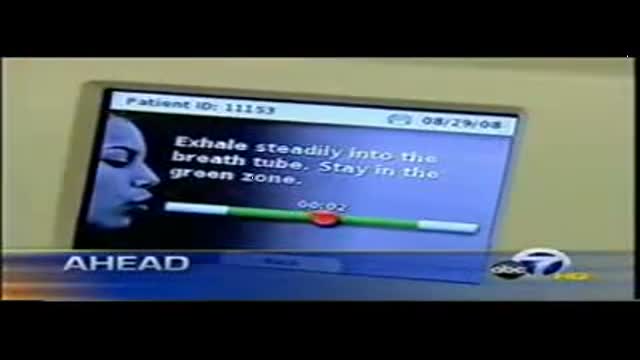 Exhaled Nitric Oxide (eNO) Monitor – a medical breakthrough for asthma treatments and management
12,946 views
Can asthma be cured?
There’s no cure that removes it permanently, but it can usually be well controlled. With the right daily treatment and an agreed action plan, many people have few symptoms and get on with normal life — including work, school, and sport.
Why do symptoms often feel worse at night?
Many people with asthma notice coughing and tightness in the night or early morning. Lying flat, cooler night air, and triggers in the bedroom like dust can all play a part. If nights are regularly disturbed, mention it to your clinician — it’s useful information about how well controlled your asthma is.
Can I still exercise if I have asthma?
In general, yes — staying active is part of staying well, and asthma shouldn’t automatically rule out sport. Exercise can be a trigger for some people, though, so how you warm up, which activities suit you, and what to have with you are all worth discussing with your care team first.
What’s the difference between a preventer and a reliever inhaler?
A preventer is taken daily to calm airway inflammation over time, even when you feel fine. A reliever is used when symptoms appear, to relax tightened airways quickly. They do different jobs, which is why one doesn’t replace the other.
When should breathing difficulty be treated as an emergency?
If breathing is severely difficult, speaking in full sentences is hard, or your usual reliever isn’t helping as it normally does, treat it as urgent and seek medical help straight away rather than waiting to see if it passes.
This page is for general education only and is not medical advice. If breathing is severely difficult or your reliever inhaler is not helping as it usually does, seek emergency help immediately rather than waiting.