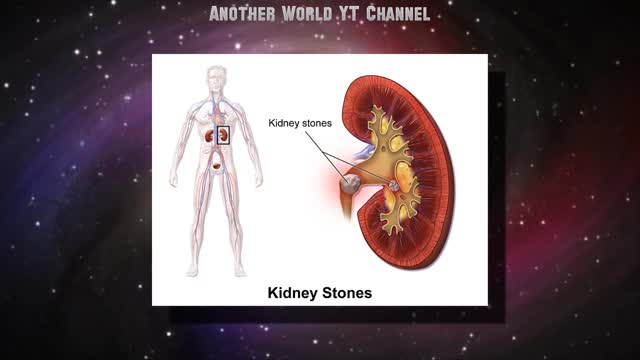
Kidney stones are hard mineral deposits that form inside the kidneys and can cause severe pain as they move through the urinary tract. This page gathers our best material on stones in one place — how they form, the symptoms to recognise, and the ways they are treated and removed, in video, in plain language, and on the podcast.
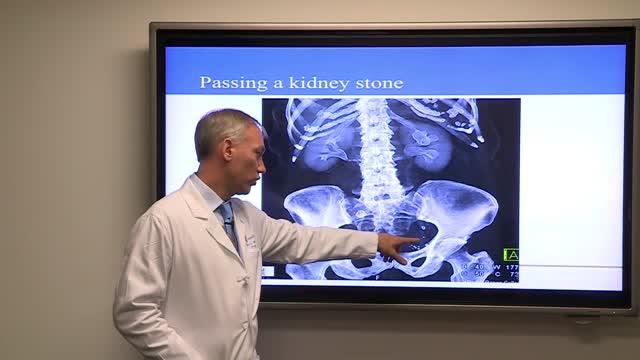
How long does it take for a kidney stone to pass?
It varies a lot with the stone's size and position — smaller stones lower down often pass within days, while larger ones higher up may take longer or not pass at all. Your doctor can give you a timeframe based on your scan and will usually arrange follow-up if it hasn't passed.
What causes kidney stones to form?
They form when minerals in the urine become concentrated enough to crystallise — not drinking enough fluid is a common contributor, and diet, some medical conditions, and family history can play a part too. There are several stone types, which is why analysing a passed stone helps.
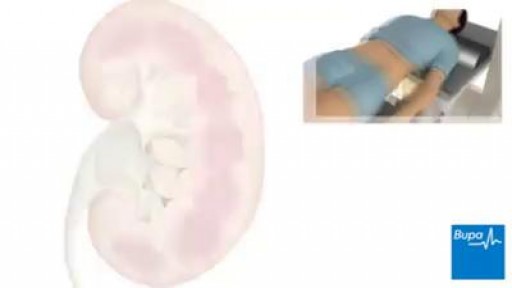
Is shock wave lithotripsy the same as surgery?
Not in the usual sense — there are no cuts, because the shock waves are delivered from outside the body. It is still a hospital procedure, usually done with sedation or anaesthesia, and the fragments pass in the urine afterwards.
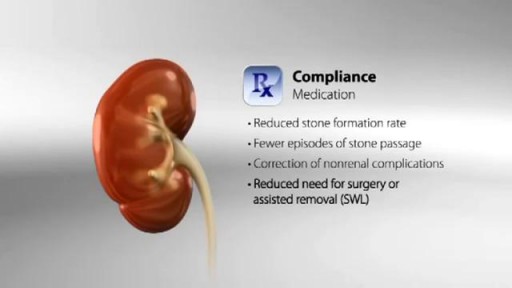
Can I prevent another kidney stone?
Often you can reduce the risk. The general measures are drinking enough fluid to keep your urine pale, and following any dietary advice based on your stone type. Specific advice depends on why your stones form, so it's worth discussing your own results with your doctor.
This page is for general education only and is not medical advice. Kidney stone pain can be severe and occasionally signals an emergency — for example with fever or an inability to pass urine. If you think you have a kidney stone, seek medical care promptly.