What Is a Hysteroscopy?
What is a hysteroscopy? Follow the steps of this camera test of the uterus, why it is done, and what happens on the day.
10/25/26 • 32 ビュー

If you've been told you need a hysteroscopy, the appointment usually comes down to one simple need: your doctor wants to actually see inside your uterus, rather than guess from scans alone. Here's how that happens, step by step.
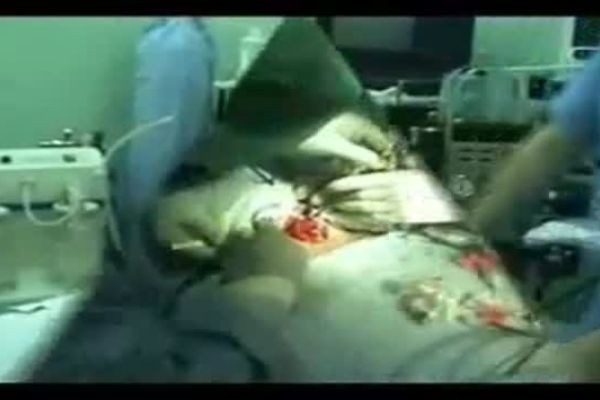
The video at the top of this page shows a hysteroscopic polypectomy — a polyp being removed during the procedure. It runs about two minutes and forty-four seconds, and its own description puts the basics plainly: hysteroscopy lets your doctor look inside your uterus to diagnose and treat causes of abnormal bleeding, using a hysteroscope, a thin, lighted tube.
Step one: the camera goes in
There's no cut and no incision. The hysteroscope passes through the vagina and cervix into the uterus, carrying a light and a tiny camera. Fluid is gently used to open up the space a little, so the lining can be seen clearly on a screen. Because the route is the body's natural one, many hysteroscopies are done as day procedures, sometimes in an outpatient clinic — your own appointment letter will say which applies to you.
Step two: looking, and sometimes treating
Once inside, the doctor examines the lining of the uterus directly. That direct view can help explain abnormal bleeding, check for polyps or fibroids that project into the cavity, or look into other concerns your team has discussed with you. And looking isn't always where it ends. As the anchor video shows with a polypectomy, small instruments can pass alongside the scope so that certain findings — a polyp, for example — can be removed during the same procedure.
For a different use of the same technique, this video follows hysteroscopy used to treat Asherman syndrome, where scar tissue inside the uterus is the problem being addressed.
Step three: afterwards
Afterwards, most people rest briefly and go home the same day, though how you'll feel depends on whether yours was look-only or included treatment, and on the anaesthetic or pain relief used. Cramping and light spotting are commonly mentioned in aftercare advice; your team will tell you what to expect in your case and what should prompt a call. If a sample of tissue was taken or something was removed, results usually come later, at follow-up.
It can help to place hysteroscopy alongside its neighbouring tests. Our guide to colposcopy covers the magnified examination of the cervix — a different structure, a different instrument, and often a different reason for the appointment. Knowing which one you've actually been booked for makes the preparation much less confusing.
MedicalVideos.com has published trusted medical videos since 2007. The site was founded by Dr. Mohamed Ibrahim, MD, PhD — physician and researcher.
Educational only — this article is general information about hysteroscopy, not medical advice and not a diagnosis. Decisions about investigation and treatment should be discussed with your own medical team.
Frequently Asked Questions
Does a hysteroscopy involve any cuts?
No. The hysteroscope — a thin, lighted tube with a camera — passes through the vagina and cervix into the uterus, so there is no incision.
Why might I be offered a hysteroscopy?
A common reason is to diagnose and treat causes of abnormal bleeding, as the anchor video's description states. It can also let the doctor see polyps or other findings inside the uterus directly.
Can treatment happen during the same procedure?
Sometimes, yes. The anchor video shows a polypectomy — a polyp being removed — carried out during hysteroscopy, using small instruments passed alongside the scope.
Will I stay in hospital overnight?
Many hysteroscopies are day procedures, sometimes in an outpatient clinic, so most people go home the same day. Your appointment details will confirm the plan for you.
関連記事