What Is a Kidney Transplant?
Learn what a kidney transplant involves, how the surgery works, what recovery looks like, and how life changes after a new kidney.
10/25/26 • 57 意见

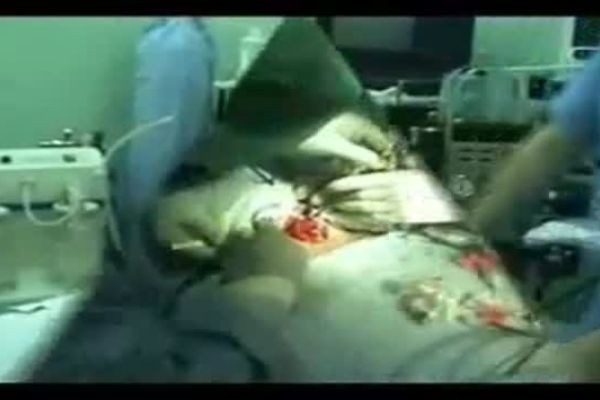
For many people whose kidneys have failed, the week revolves around a dialysis machine — hours at a time, several times a week, with strict limits on food and fluids in between. A transplant offers a different shape of life. The video at the top of this page, "Kidney Transplantation Surgery," runs 7 minutes 28 seconds and walks through the operation itself: a healthy kidney is placed inside the body to do the work the person's own kidneys can no longer do. The video also makes a point worth holding on to — afterwards there are usually fewer limits on what you can eat and drink, though looking after the new kidney becomes a lifelong habit.
Where a donor kidney comes from
The new kidney comes from a donor. Sometimes that is a living person — often a relative or someone who volunteers to donate — and sometimes it is someone who has died and whose family or prior wishes allow donation. Because one healthy kidney is enough to live on, a living donor can give one of theirs and continue with the other. Before any of this, the transplant team checks that donor and recipient are a workable match, using blood tests and tissue matching, because the closer the match, the smoother things tend to go. If you want the background on the treatment most recipients are coming from, our guide to how dialysis works explains the machine-based process a transplant can replace.
What happens on the day of surgery
The operation is done under general anaesthesia, so you are fully asleep. In most cases your own kidneys are left where they are — removing them is usually unnecessary — and the donor kidney is placed lower down in the abdomen, where the surgeon connects its blood vessels to yours and joins its urine tube to the bladder. Once those connections are made and blood flows through it, the new kidney can start filtering and making urine, sometimes straight away and sometimes after a short delay while it settles in. A second recording on this site, "Kidney transplant surgery," shows another view of the procedure if you would like to compare.
The first weeks afterwards
Expect a hospital stay while the team watches the new kidney closely — blood tests, fluid balance, and how much urine it is producing all get checked often. You will start medicines that calm the immune system, and this part is non-negotiable: your immune system would otherwise recognise the new kidney as foreign and attack it, a process called rejection. Those medicines are taken for as long as the transplanted kidney lasts, and follow-up appointments stay frequent at first before spacing out. Feeling tired early on is normal; strength and appetite usually build gradually as the kidney does its work and dialysis sessions fall away.
Living with a transplanted kidney
Day to day, most recipients describe the biggest change as freedom — no machine schedule, a more varied diet, and energy that dialysis alone often could not give them. The trade-off is routine rather than restriction: daily medicines at set times, regular check-ups and blood tests, and prompt attention to any fever, drop in urine, or swelling that could hint at a problem. A transplant is best thought of as an ongoing treatment rather than a one-time cure — one that asks for steady habits, and in return gives many people years of fuller, more flexible life.
MedicalVideos.com has published trusted medical videos since 2007. The site was founded by Dr. Mohamed Ibrahim, MD, PhD — physician and researcher.
Educational only — this article is general information about kidney transplantation, not medical advice and not a guide to anyone's eligibility or treatment. Decisions about transplant assessment, donor matching, and medicines belong with your own transplant team.
Frequently Asked Questions
Does a kidney transplant replace dialysis completely?
For most recipients, yes — once the transplanted kidney is working well, regular dialysis sessions are no longer needed. If a transplanted kidney eventually stops working well, dialysis can be started again and further options discussed with the transplant team.
Are your own kidneys removed during the operation?
Usually not. In most cases the original kidneys are left in place and the donor kidney is added lower in the abdomen. Removal only happens in specific situations, which the surgical team would explain beforehand.
Why do transplant patients take immune-suppressing medicines?
Because the immune system would otherwise treat the donor kidney as foreign and attack it. These medicines lower that response so the kidney can keep working, and they are taken for as long as the transplant lasts.
Can a living person donate a kidney?
Yes. A healthy person can live well with one kidney, so living donation — often from a relative or a volunteer — is a common route. Donors go through careful health and matching checks first to protect both people.
相关文章