What Is a Pacemaker and How Is It Fitted?
Learn what a pacemaker is, how it is fitted near the collarbone, and what follow-up involves, explained step by step with video.
10/24/26 • 61 vistas

You've just been told your heart may be beating too slowly, and someone has mentioned a pacemaker. What does that actually involve? Let's walk through the questions most people ask first, in the order they tend to ask them. The 42-second 3D animation at the top of this page is a good place to start — it shows, in simplified form, where the device sits and how its thin leads reach the heart.
First — what problem is a pacemaker trying to solve?
Your heartbeat is controlled by electrical signals that tell the heart muscle when to contract. If those signals are too slow, pause for too long, or don't travel properly through the heart, you can feel dizzy, unusually tired, breathless, or faint. A pacemaker doesn't fix the heart muscle itself. It watches the rhythm and, when your own signal doesn't come on time, it sends a small electrical pulse of its own to prompt a beat. Think of it less as a replacement and more as a backup that steps in only when it's needed.
So what does the device actually look like?
It's smaller than most people expect. There's a small metal case — the generator — which holds the battery and the electronics, and one or more thin, insulated wires called leads. In the animation above, you can see the generator sitting just under the skin near the collarbone, with the leads travelling through a vein toward the heart. How many leads you have, and exactly where they go, depends on your particular rhythm problem, and your cardiology team will explain the setup they've planned for you.
How is it fitted — is it open-heart surgery?
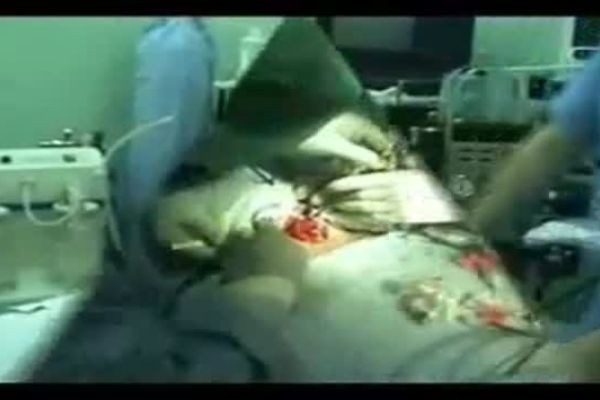
No, and that's a relief for many people to hear. Fitting a pacemaker is usually done through a small incision near the shoulder, often with local anaesthetic and sedation rather than a general anaesthetic. The leads are guided through a vein into position inside the heart, using X-ray images to steer them, and then connected to the generator, which is tucked into a small pocket under the skin before the incision is closed. If you want a longer look at an implantation being talked through, this site's pacemaker implantation video, at just under six minutes, follows the procedure in more detail than the short animation can.
What happens after it's in?
Before you go home, the device is checked to make sure it's sensing and pacing as intended, and you'll usually be given information about your pacemaker and its settings. Follow-up then becomes part of the routine — checks at a device clinic, and in many services some monitoring from home as well. Your team will tell you what activity is sensible while the incision heals and when to get in touch if you feel unwell. It's a different kind of heart procedure from, say, opening a narrowed artery — our guide to coronary stents and angioplasty explains that side of cardiology if you're comparing the two.
MedicalVideos.com has published trusted medical videos since 2007. The site was founded by Dr. Mohamed Ibrahim, MD, PhD — physician and researcher.
Frequently Asked Questions
Does a pacemaker run my heart all the time?
Not usually in the way people imagine. Most pacemakers work on demand — they monitor your natural rhythm and only send a pulse when your own heartbeat is too slow or missing. How yours is set up depends on your rhythm problem and your team's plan.
Will I feel the pacemaker working?
Most people don't feel the small electrical pulses. You may be aware of the generator under the skin near your collarbone at first, especially while the area heals, but that awareness usually fades as you get used to it.
Can I still have scans and use household appliances?
In everyday life, most household appliances are fine to use normally. Medical scans and some equipment need a conversation first — always tell any clinician, dentist, or radiographer that you have a pacemaker, and follow the specific advice your device clinic gives you.
Does the battery ever need replacing?
Yes, eventually the generator is replaced when its battery runs low, which is picked up at routine device checks long before it becomes urgent. The leads are often left in place if they're working well. Your clinic will explain how they monitor this for you.
Educational only — this article is general information about pacemakers, not medical advice and not a recommendation for or against a device. Whether a pacemaker is right for you, and which type, is a decision for your own cardiology team, who know your rhythm recordings and your overall health.
Artículos relacionados