What Is Breech Presentation?
Most babies settle head-down before birth — some don't. A plain-English guide to breech presentation: how it's found, what options clinicians discuss, and what birth looks like, with a clinician-manag..
10/24/26 • 108 Просмотры

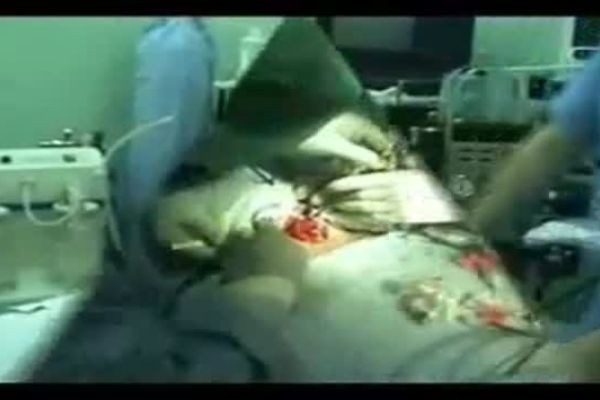
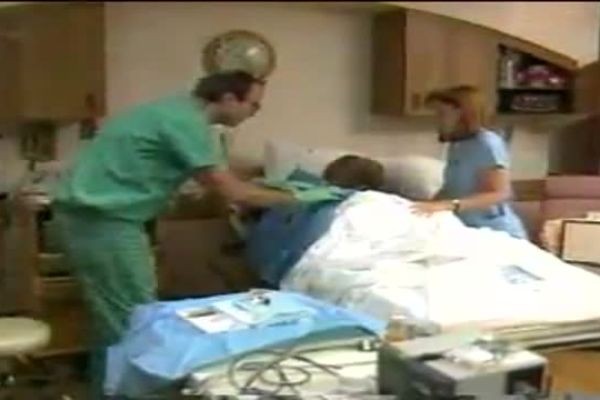
Picture the scene: you're at one of your later pregnancy check-ups, the scan is up on the screen, and instead of a head tucked down toward the birth canal, you see a bottom. That's breech presentation — simply the position the baby is in, bottom-first or feet-first rather than head-first. It sounds alarming when you first hear it, but a breech finding is a position, not a diagnosis of anything wrong. The 1-minute-48-second video at the top of this page shows clinicians managing a vaginal breech birth — what it actually looks like when a baby arrives this way, with the birth team guiding each step.
The three breech positions, in plain language
Not every breech sits the same way, and the differences matter for how clinicians think about the birth. In a frank breech — the most common — the baby's bottom comes first with the legs folded flat up against the torso, feet near the head. In a complete breech, the baby is cross-legged, bottom first with knees bent. In a footling breech, one or both feet sit lowest, ready to come through first. You don't need to memorise these; what matters is that your care team works out which one they're looking at, because the position shapes the conversation that follows. Breeches turn up most often because the baby simply hasn't turned yet — many that are breech at the mid-30-week mark settle head-down on their own in the remaining weeks, which is why nobody makes delivery plans the moment the word is first mentioned.
How a breech baby usually comes to light
Most breech presentations are found the unglamorous way: a hand on the belly during a routine check-up, or on an ultrasound. A clinician feeling the firm, round head up near the ribs rather than down in the pelvis will confirm what they're finding with a scan. This site's ultrasound-in-pregnancy guide walks through what those late-pregnancy scans are for, and breech is one of the things they're good at revealing. Once confirmed close to term, the finding gets its own appointment discussion rather than being left to sort itself out in labour.
What your care team will likely talk through
The first option most teams raise is external cephalic version — a clinician gently pressing on the abdomen to encourage the baby to roll head-down. It isn't always attempted, and it doesn't always work, but when it succeeds the whole birth plan changes back to straightforward. If the baby stays breech, the conversation shifts to the birth itself, and the options are individual: a planned cesarean delivery, or a vaginal breech birth with a team experienced in them. There's no universal right answer — it depends on the baby's position and size, your history, and the team's experience. The breech C-section video here on the site shows the surgical route for a breech presentation, performed in this case with the Misgav-Ladach technique — worth watching alongside the vaginal-breech video at the top so you can see both paths described.
What the birth itself tends to look like
For a vaginal breech birth, the room is prepared with more hands than a typical delivery: clinicians experienced in breech technique, the ability to move quickly to cesarean if the labour pattern changes, and careful monitoring throughout. Certain breech positions — particularly where a foot or cord leads — make vaginal birth less advisable, which is exactly why the position is pinned down before labour starts. Planned cesareans for breech follow the standard cesarean sequence; if you'd like that compared against vaginal birth in general, this site's cesarean-vs-vaginal guide lays the two out side by side. Either way, the guiding principle is the same one your care team started with: breech is a position to manage, not an emergency to fear.
MedicalVideos.com has published trusted medical videos since 2007. The site was founded by Dr. Mohamed Ibrahim, MD, PhD — physician and researcher.
Frequently Asked Questions
Does a breech baby always need a cesarean?
No — it's one of the options, and it's the option many teams choose when the position or circumstances make vaginal birth less advisable, but vaginal breech birth with an experienced team is also a recognised path. The decision is individual and is made with the clinician managing the pregnancy.
Can a breech baby still turn on its own?
Yes, especially earlier on. Many babies found breech in the mid-30-week mark turn head-down in the remaining weeks, which is why delivery plans are usually only finalised once the presentation is stable near term.
What is external cephalic version?
It's an attempt to turn the baby head-down from outside the belly — a clinician applies guided pressure to the abdomen to encourage the baby to roll. It's not suitable or successful in every case, and whether it's tried is decided by the care team.
Why does the type of breech matter?
Because each position presents differently — bottom-first, cross-legged, or feet-first — and some positions carry more risk of the cord or a limb coming through first. Knowing which breech they're looking at helps the team judge which birth path is safest.
Educational only — this article is general information about breech presentation, not medical advice. Birth decisions depend on individual circumstances and should be made with the qualified clinician caring for you.
Статьи по Теме