What Is Gastric Bypass Surgery?
What is gastric bypass surgery? Learn how a Roux-en-Y bypass reroutes the stomach and intestine, and what eating is like afterwards.
10/25/26 • 20 Görünümler

If you're picturing life after this operation, the biggest change isn't the surgery itself — it's the meals. Gastric bypass, most commonly the Roux-en-Y form, reshapes how food moves through you: a small pouch is created from the upper stomach, and the small intestine is rerouted to connect to that pouch. Food therefore bypasses most of the stomach and the first part of the intestine, which is where the name comes from.
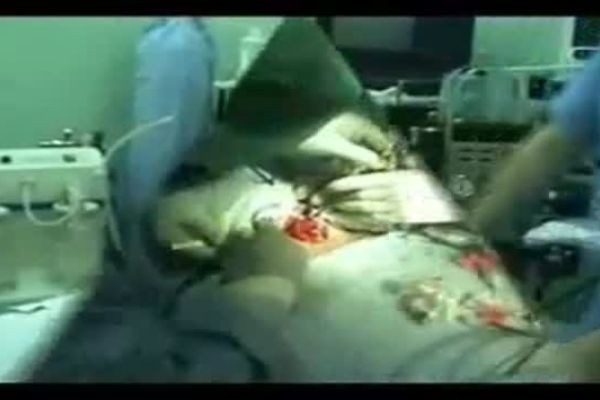
The video at the top of this page shows the laparoscopic version, and it's a good one to watch slowly. Over 5 minutes 23 seconds, Dr. Jawad performs a Roux-en-Y bypass in Central Florida, with audio commentary describing the procedure as it unfolds — so you hear the reasoning, not just the instruments. A second recording on this site, a laparoscopic Roux-en-Y bypass with a hand-sutured connection, lets you compare a different surgeon's hands on the same operation.
What the day itself tends to look like
Most gastric bypass operations today are laparoscopic, meaning they're done through several small cuts with a camera, rather than one large opening. You're under general anaesthesia, so you sleep through it. Inside, the surgeon divides the stomach to form the small pouch, brings up a loop of small intestine, and joins the two — that join is called an anastomosis. The remaining stomach stays in place and still produces digestive juices, which meet the food further down. Afterwards you'll be monitored as the anaesthetic wears off, and the team will check that you can sip fluids comfortably before eating moves forward at all.
Eating afterwards: small, slow, and staged
Here's the part patients talk about most. Because the pouch holds far less than a full stomach, meals become much smaller, and eating too quickly or too much can feel distinctly uncomfortable. Teams usually stage the return to food — fluids first, then soft foods, then more ordinary textures over time — and they'll give you their own timetable rather than a generic one. Long term, the rerouted intestine absorbs some nutrients less completely than before, which is why follow-up blood tests and prescribed supplements are a routine part of life after bypass, not an optional extra. If you're also reading about related abdominal operations, our guide to how a gallbladder is removed shows another common laparoscopic procedure, done for very different reasons.
What it can — and can't — do on its own
A bypass is a tool, not a finish line. It restricts how much you can eat at once and changes absorption, and many people also find their appetite and food preferences shift. But the operation works alongside habits, follow-up appointments, and medical care for conditions that travel with weight, such as type 2 diabetes. Whether bypass, another bariatric procedure, or no surgery at all is the right path is a decision built on your health history and your own team's assessment — there's no shortcut around that conversation, and a reputable team won't offer you one.
MedicalVideos.com has published trusted medical videos since 2007. The site was founded by Dr. Mohamed Ibrahim, MD, PhD — physician and researcher.
Educational only — this article is general information about gastric bypass surgery, not medical advice and not a recommendation for or against bariatric surgery for any individual. Eligibility, risks, and alternatives should be discussed with your own surgical and medical team.
Frequently Asked Questions
What does Roux-en-Y mean?
It describes the shape of the rerouting. The small stomach pouch and the reconnected intestine form a Y-shaped path, named after César Roux, the surgeon who described the technique. Most gastric bypasses performed today use this arrangement.
Is gastric bypass the same as a gastric sleeve?
No. A sleeve removes a large portion of the stomach and doesn't reroute the intestine. A bypass keeps the stomach in place but divides it into a small pouch and reroutes the intestine to meet it. The two operations differ in how they work and in their follow-up needs.
Will I have to take supplements forever?
In most programmes, yes — because the rerouted intestine absorbs some vitamins and minerals less completely, teams usually prescribe supplements and check levels with regular blood tests after bypass surgery. Your own team will specify what you need.
Can the pouch stretch back to normal size?
The pouch can stretch somewhat over time, which is one reason portion habits still matter after surgery. It doesn't simply return to a full-sized stomach, but follow-up care focuses heavily on eating patterns precisely because the operation alone isn't the whole treatment.
İlgili Makaleler