What Is Septoplasty (Deviated Septum Surgery)?
What is septoplasty? How deviated septum surgery straightens the nasal septum, what happens during it, and what recovery is usually like.
10/26/26 • 74 vistas

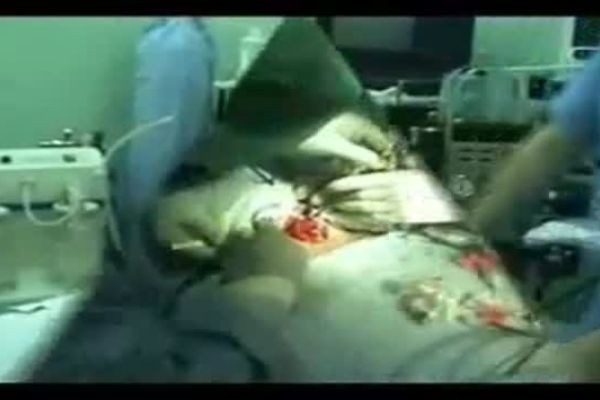
Breathing through your nose shouldn't favour one side. If one nostril nearly always feels blocked — not just during a cold, but month after month — the wall down the middle of your nose may be part of the reason. That wall is the nasal septum, made of cartilage at the front and bone further back, and when it leans or bends to one side it's called a deviated septum. Septoplasty is the operation that straightens it. The video above, "Endoscopic Nasal Septoplasty" (1 minute 47 seconds), follows an endoscopic approach and shows the resection of a sharp bony septal spur — one of the bony bends that can narrow a nasal passage.
Step 1: Confirming the septum is really the problem
Not every blocked nose is a septum problem, and not every deviated septum needs surgery — plenty of people have a bend and never notice it. So the first step is an examination of the inside of the nose, sometimes with a thin camera, alongside a history of your symptoms: persistent one-sided blockage, congestion that doesn't settle, repeated sinus trouble, or noisy breathing at night. If symptoms line up with what the examination shows, and simpler measures haven't helped enough, surgery enters the conversation. It's also the stage where related problems are separated out — swollen nasal tissues or sinus disease are treated differently, which is why some people are offered sinus surgery discussions instead of, or alongside, septoplasty.
Step 2: Straightening the wall from the inside
The operation itself is done through the nostrils, so there are no cuts on the outside of the nose and the outside shape isn't the goal — this is functional surgery, aimed at airflow. Working inside, the surgeon lifts the lining off the septum, then reshapes, repositions, or removes the bent sections of cartilage and bone that are causing the narrowing, and puts the lining back. In the anchor video the approach is endoscopic, meaning a small camera guides the work, and the focus is a sharp bony spur being resected. The site's "Deviated Septum Surgery (Septoplasty)" video describes the same principle in general terms: the septum is straightened and repositioned in the middle of the nose. You'll usually be asleep under a general anaesthetic, and most people go home the same day, though your own plan may differ.
Step 3: The first days — congestion is normal
Here's the part that surprises people: your nose will probably feel more blocked at first, not less. Swelling inside the nose, some oozing, and tiredness from the anaesthetic are all common in the early days. Some surgeons place soft splints or packing inside the nose for a short time; many don't, or remove them quickly — follow the instructions you were actually given rather than advice aimed at someone else's operation. Rest, keep your head raised a little, and avoid blowing your nose, heavy lifting, and very hot baths while things settle, unless your team tells you otherwise. Saline sprays or rinses are often recommended once your surgeon says to start them, because they help clear crusting as the lining heals.
Step 4: Judging the result over weeks, not days
Healing inside the nose takes weeks, and breathing usually improves gradually as swelling goes down. Follow-up visits let the surgeon check the septum is healing straight, clean away crusting, and catch any problems early — such as bleeding, infection, or the septum shifting. Most day-to-day activities resume fairly quickly, but contact sports and anything likely to knock your nose need a longer pause and a specific go-ahead. And be patient with the verdict: the fair test of a septoplasty is how your breathing feels once healing is complete, not how it feels in week one. If blockage persists, tell your surgeon — sometimes swollen tissues, rather than the septum itself, turn out to need attention too.
MedicalVideos.com has published trusted medical videos since 2007. The site was founded by Dr. Mohamed Ibrahim, MD, PhD — physician and researcher.
Educational only — this article is general information about septoplasty, not medical advice and not a diagnosis. If nasal blockage is persistent or worrying you, discuss it with your own clinician.
Frequently Asked Questions
Is septoplasty the same as rhinoplasty?
No. Septoplasty straightens the internal septum to improve breathing and is done through the nostrils with no outside cuts. Rhinoplasty reshapes the outside of the nose. The two are sometimes combined, but they have different goals.
Does a deviated septum always need surgery?
No. Many deviated septums cause no symptoms and need no treatment at all. Surgery is usually considered only when a bend is linked to persistent blockage or other symptoms and simpler measures haven't helped enough.
Will my nose look different after septoplasty?
Usually not noticeably, because the work is internal and aimed at airflow rather than appearance. Your surgeon can explain if anything in your individual case might affect the outside shape.
How long is recovery after septoplasty?
The first days are dominated by congestion and swelling, and most people feel steadily clearer over the following weeks as the lining heals. Your surgeon will give you a specific timetable for work, exercise, and follow-up based on what was done.
Artículos relacionados