
Hypertension is blood pressure that stays higher than it should be over time — usually found by a routine reading rather than by symptoms. This page gathers our best material in one place: what the numbers mean, how blood pressure is checked properly, and the medicines and lifestyle steps used to manage it.
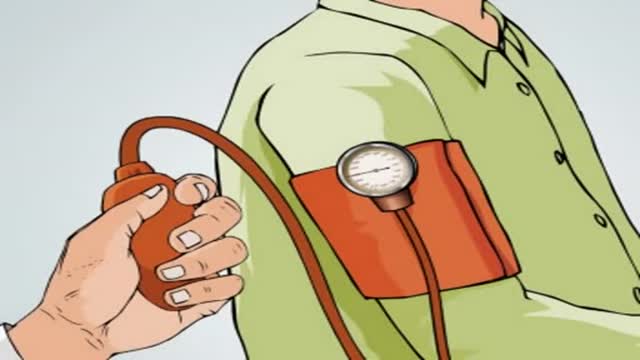 Blood Pressure Understanding For Patients
17,553 views
 Antihypertensive Medications
10,451 views
 USMLE Step 2 CS - Hypertension
8,848 views
 Bilateral Renal Arterial Stenosis
4,011 views
 Foods to Help Control Blood Pressure (Spanish)
3,853 views
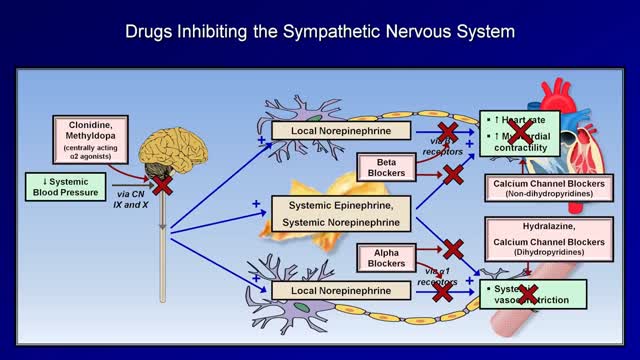 Hypertension - Antihypertensive Medications (lecture)
3,528 views
Does one high reading mean I have hypertension?
No. Hypertension means blood pressure that stays high over time, so clinicians usually confirm it with repeated readings — sometimes over several visits or with home monitoring — rather than acting on a single number.
Does high blood pressure cause symptoms?
Often it causes none that you would notice, which is why it is usually found by routine measurement rather than by how you feel. That is also why regular checks matter even when you feel well.
Can lifestyle changes really affect blood pressure?
They can form an important part of management for many people, alongside follow-up monitoring and, where a clinician advises it, medication. What is right for you depends on your readings and your overall health, so treat any specific plan as a conversation with your own clinician.
This page is for general education only and is not medical advice. Blood pressure targets and treatment are individual — discuss your own readings with your clinician. A very high reading together with symptoms such as chest pain, breathlessness or vision changes needs urgent medical attention.