
- Physical Examination
- Surgical Examination
- Ophthalmology
- Clinical Skills
- Orthopedics
- Surgery Videos
- Laparoscopy
- Pediatrics
- Funny Videos
- Cardiothoracic Surgery
- Nursing Videos
- Plastic Surgery
- Otorhinolaryngology
- Histology and Histopathology
- Neurosurgery
- Dermatology
- Pediatric Surgery
- Urology
- Dentistry
- Oncology and Cancers
- Anatomy Videos
- Health and Fitness
- Radiology
- Anaesthesia
- Physical Therapy
- Pharmacology
- Interventional Radiology
- Cardiology
- Endocrinology
- Gynecology
- Emergency Medicine
- Psychiatry and Psychology
- Childbirth Videos
- General Medical Videos
- Nephrology
- Physiology
- Diet and Food Health
- Diabetes Mellitus
- Neurology
- Women Health
- Osteoporosis
- Gastroenterology
- Pulmonology
- Hematology
- Rheumatology
- Toxicology
- Nuclear Medicine
- Infectious Diseases
- Vascular Disease
- Reproductive Health
- Burns and Wound Healing
- Other
Latest videos
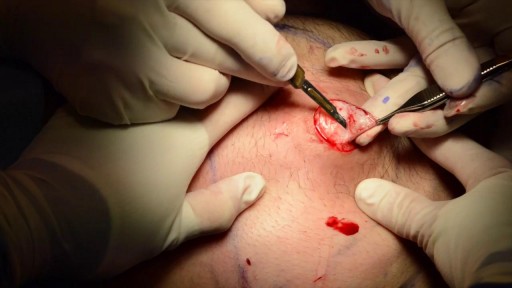

Female to Male gender confirming top surgery video : "Double Incision" Technique.

Most condoms are made of latex rubber, but they can also be made from lamb cecum or polyurethane. In addition to their contraceptive value, condom use has been found effective in preventing the spread of sexually transmitted diseases.

In dark or dim light, the pupil dilates to allow more light into the eye to improve vision. Normal pupil size tends to range between 2.0 and 5.0 millimeters, depending on the lighting. The younger you are, the larger your pupils tend to be.
The Glasgow Coma Scale (GCS) is the most common scoring system used to describe the level of consciousness in a person following a traumatic brain injury. Basically, it is used to help gauge the severity of an acute brain injury.

Comas are caused by an injury to the brain. Brain injury can be due to increased pressure, bleeding, loss of oxygen, or buildup of toxins. The injury can be temporary and reversible. It also can be permanent.
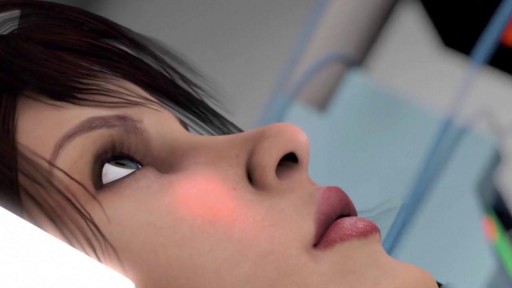
A coma is a prolonged state of unconsciousness. During a coma, a person is unresponsive to his or her environment. The person is alive and looks like he or she is sleeping. However, unlike in a deep sleep, the person cannot be awakened by any stimulation, including pain.
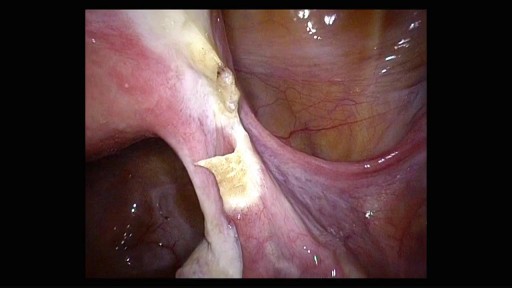
40 years old patient, Parity 3, wanted to have a sterilization. The surgery was perfomed laparoscopically with coagulation technique. This video is not edited and presented in full length.
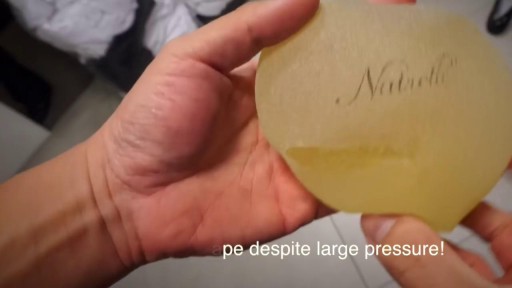
Stories of breast implants exploding onboard airplanes are untrue - Silicone implants today are remarkably safe, and even when ruptured, they have a remarkable ability to retain its shape.
When you’re trying to conceive a baby it is worth giving anything a go which you think will boost your chances. This includes considering that there may be better positions for getting pregnant. But it pays to bear in mind that the human race has been around for over 200,000 years and most of us were probably conceived without our ancestors investing too much thought into the mechanics. Science has proven that successful conception isn’t so much about sexual position as the frequency of sex between a fertile couple. Basically, if you want to fall pregnant, don’t use contraception and have frequent, active and enjoyable sex. Importantly, don’t stress too much about whether you’re doing it the right way. Women can, and do, conceive in any position. Nature has a way of making sure of that.
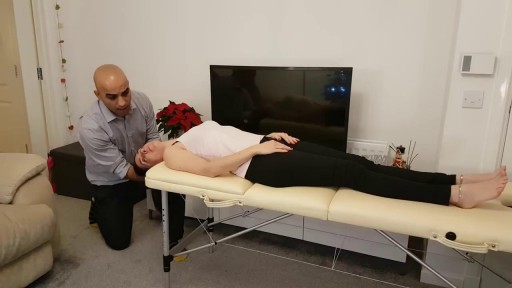
The Epley maneuver is a series of movements, normally carried out on a person by a doctor, to relieve the symptoms of BPPV. Research has found it to be an easy, safe, and effective treatment for the condition in both the long- and short-term. The Epley maneuver is sometimes called the particle repositioning maneuver or the canalith repositioning maneuver. These names are used because the maneuver involves a series of movements that help to reposition crystals in a person's ear that may cause feelings of dizziness. Repositioning the crystals helps to relieve the person's dizziness and nausea.

yebrow restoration is a surgical procedure to reposition the eyebrow. With advancing age, a common occurrence is descent of the eyebrow, or brow ptosis. A similar condition is eyelid ptosis.
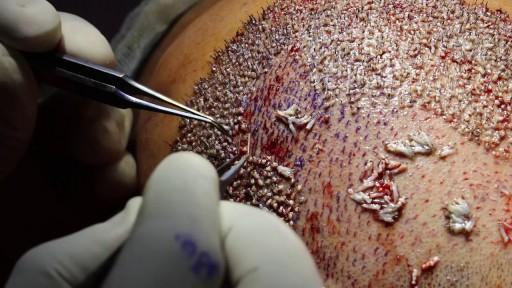
This implantation method is very common and used in both FUE hair transplant surgery and strip surgery (FUSS). During this implantation method, site creation and graft implantation are performed simultaneously as part of a one or two step process.
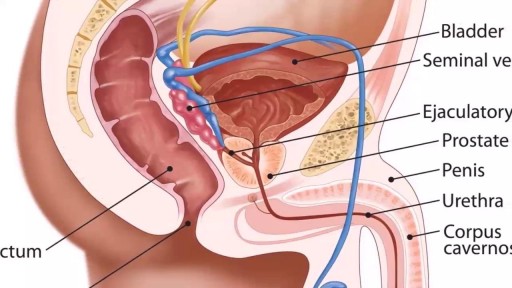
As more couples explore anal sex, understanding the risks, rewards, and proper strategy is important. Here's what you need to know about safety and more.
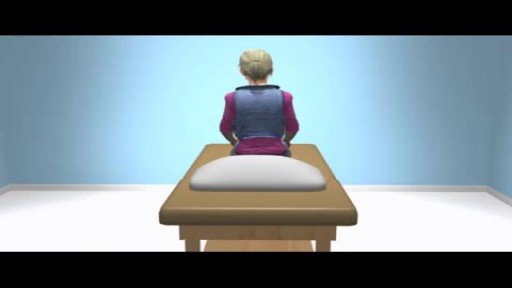
The Epley maneuver is a series of movements, normally carried out on a person by a doctor, to relieve the symptoms of BPPV. Research has found it to be an easy, safe, and effective treatment for the condition in both the long- and short-term. The Epley maneuver is sometimes called the particle repositioning maneuver or the canalith repositioning maneuver. These names are used because the maneuver involves a series of movements that help to reposition crystals in a person's ear that may cause feelings of dizziness. Repositioning the crystals helps to relieve the person's dizziness and nausea.
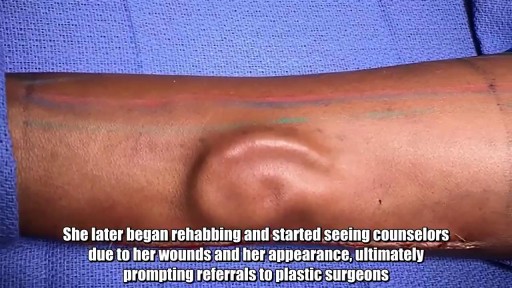
Shamika Burrage survived a near-fatal car accident two years ago, but not without losing something pretty important: her left ear. Now, thanks to a novel procedure performed at an Army medical center in Texas, Burrage is getting that ear back in a most unusual way. Plastic surgeons harvested cartilage from Burrage's ribs to create a new ear and then grew it under the skin of her forearm. Then the doctors at William Beaumont Army Medical Center in El Paso successfully transplanted the ear from her arm to her head. The technique -- a first time in the Army -- is called prelaminated forearm free flap, said Lt. Col. Owen Johnson III, chief of plastic and reconstructive surgery at William Beaumont Army Medical Center. Some of the big advantages of it is that it reduced the chance of more scarring around Burrage's ear. Also, growing the ear under the skin of her forearm allows new blood vessels to form. "(The ear) will have fresh arteries, fresh veins and even a fresh nerve so she'll be able to feel it," Johnson said on the US Army's website. Burrage, a 21-year-old private, still has to endure two more surgeries, but she's feeling more optimistic about the future than ever in the years since her accident. "It's been a long process for everything, but I'm back," said Burrage.
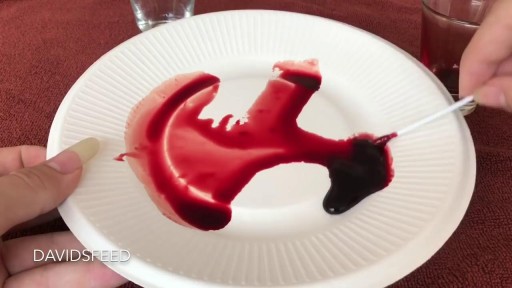
A little venom is drawn into a syringe. ... The quick coagulation or blood clotting caused by the Russell's viper venom is of particular interest to scientists — there's a lot of research into how it might be used in medicine. But this effect is only present in healthy blood.
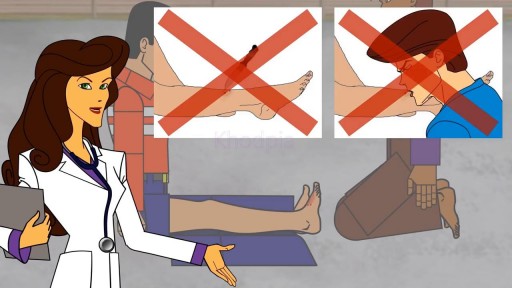
This Animation is strictly made in accordance to Snake Bite Treatment Guidelines and Protocols
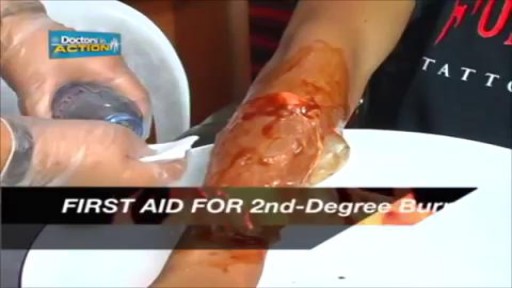
Clinical Review First aid and treatment of minor burns BMJ 2004; 328 doi: https://doi.org/10.1136/bmj.328.7454.1487 (Published 17 June 2004) Cite this as: BMJ 2004;328:1487 Article Related content Metrics Responses Jackie Hudspith, clinical nurse lead, Sukh Rayatt, specialist registrar, plastic and reconstructive surgery Author affiliations Introduction Some 250 000 burns occur annually in the United Kingdom. About 90% of these are minor and can be safely managed in primary care. Most of these will heal regardless of treatment, but the initial care can have a considerable influence on the cosmetic outcome. All burns should be assessed by taking an adequate history and examination.
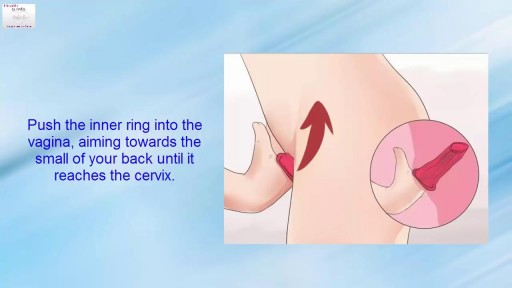
How to Use a Female Condom Step by Step
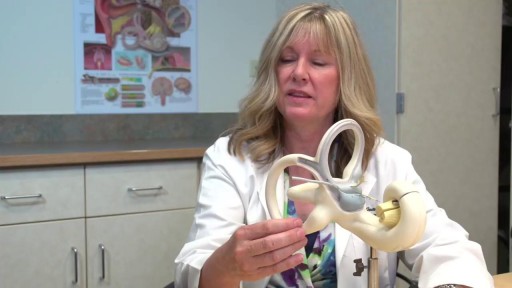
Vertigo is a sensation of feeling off balance. If you have these dizzy spells, you might feel like you are spinning or that the world around you is spinning.
