






Neurocysticercosis: Parasitic Infection of the Brain

Neurocysticercosis Pork Worms Infecting Human Brain
Video Transcript
A narrated explainer on neurocysticercosis — pork tapeworm larvae in the brain. Citing Mayo Clinic and CDC reviews, the speaker describes how the larvae form cysts that can appear like a starry sky on scans, and how the condition can stay silent for years before causing seizures, headaches or other neurological problems.
Read the full transcript
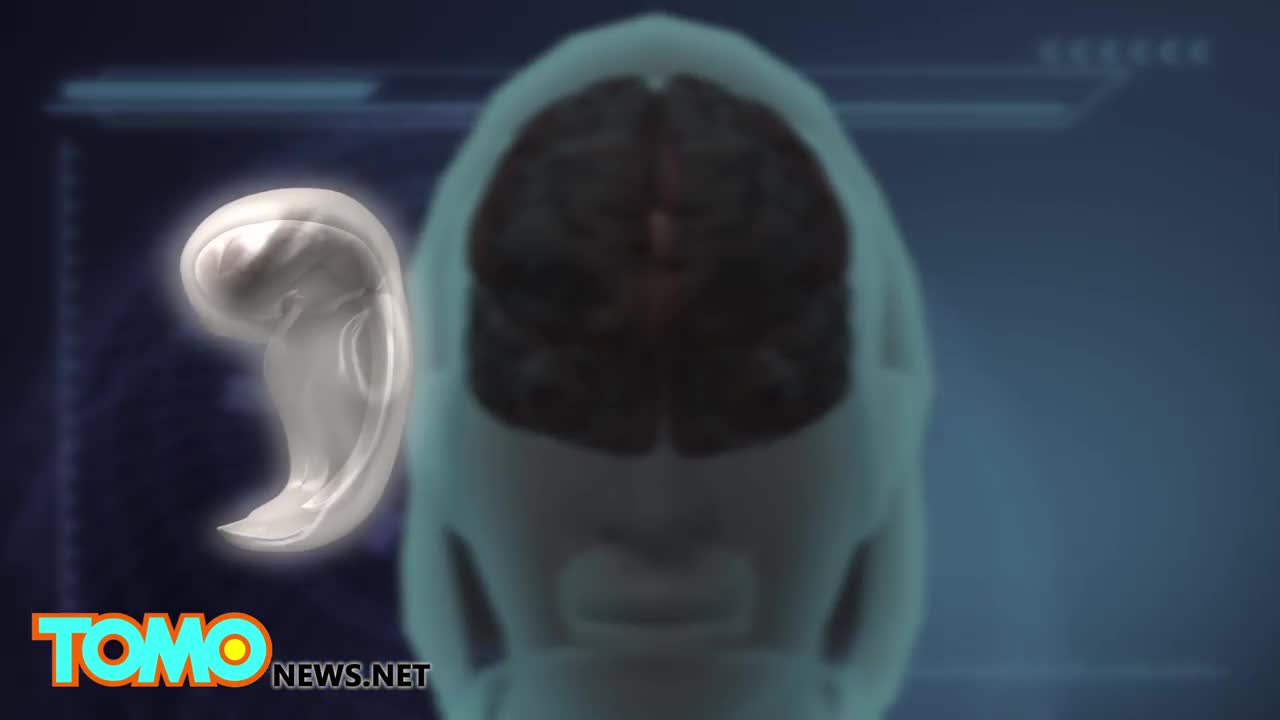
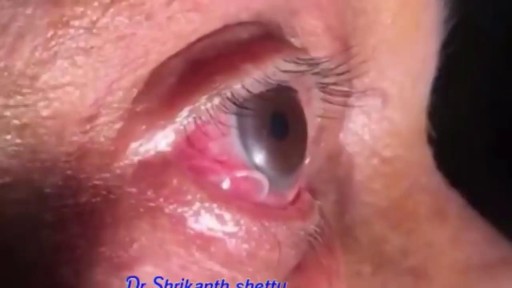
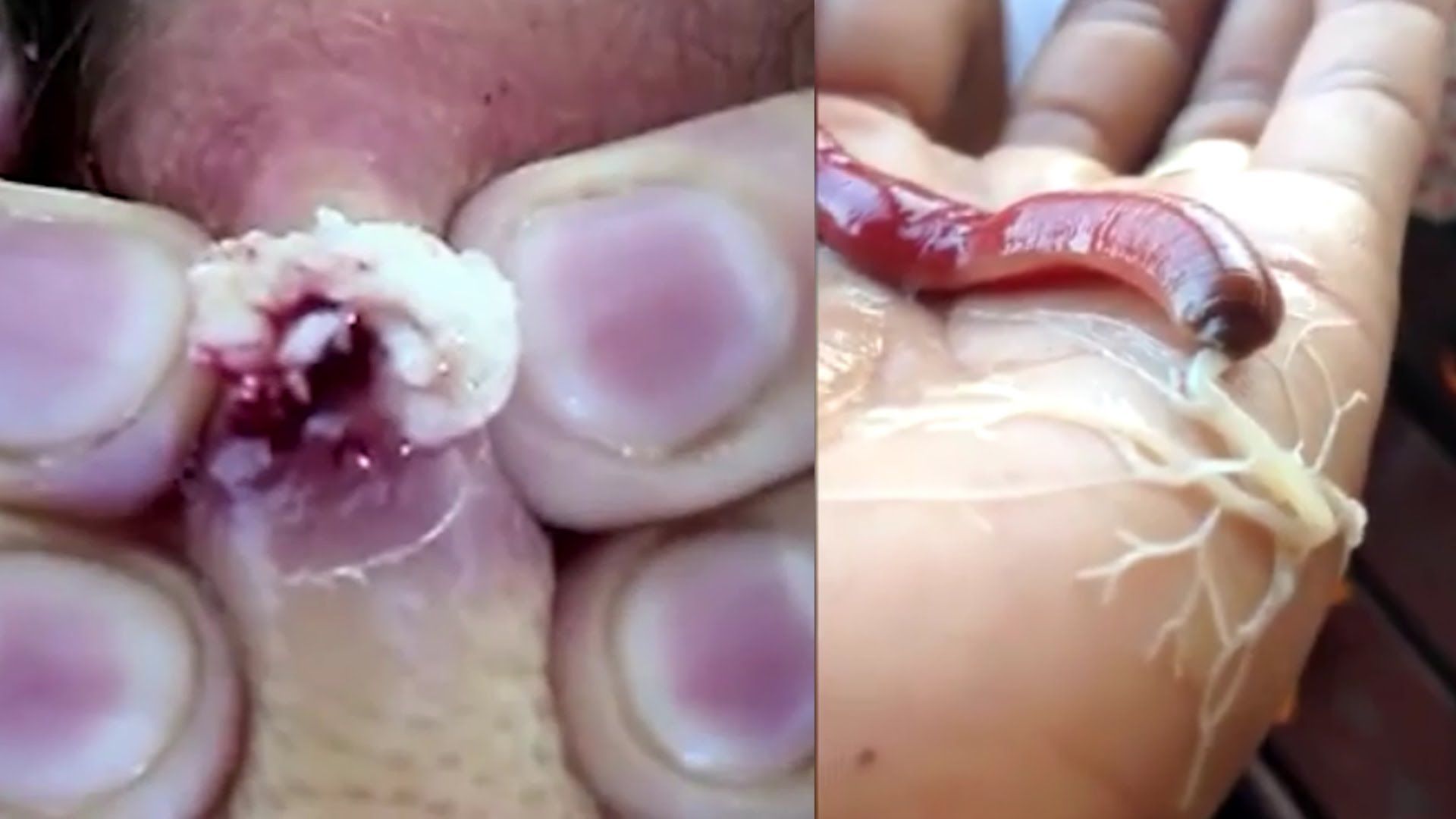
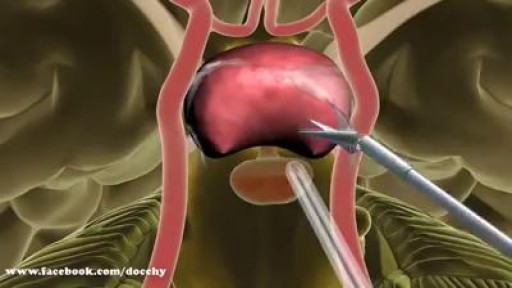
The most common cause of adult onset epilepsy in the world is called Neurosystocercosis, which literally means pork tapeworms curled up inside our brain. A review last year out of the Mayo Clinic describes the problem. Cystocercie, meaning the pork tapeworm larvae, create cavities in the human brain and other body tissue where their tiny bodies grow sometimes into tapeworms 2 to 7 meters in length and can live up to 25 years in the human body. 7 meters means 23 feet long. On MRI, so-called wormholes appear on CT scan.
There can be so many in the brain at one time it can appear similar to a starry sky. Each star is a fluid filled cyst with the beginning of a living growing tapeworm inside. This is what they look like on autopsy. This is what their face looks like. They have these rings of hooks to grab onto our brain tissue. Earlier this year a review was published by the CDC on the public health implications of cystocercosis acquired in the United States. Pork tapeworms on the brain has emerged as a cause of severe neurologic disease in the United States.
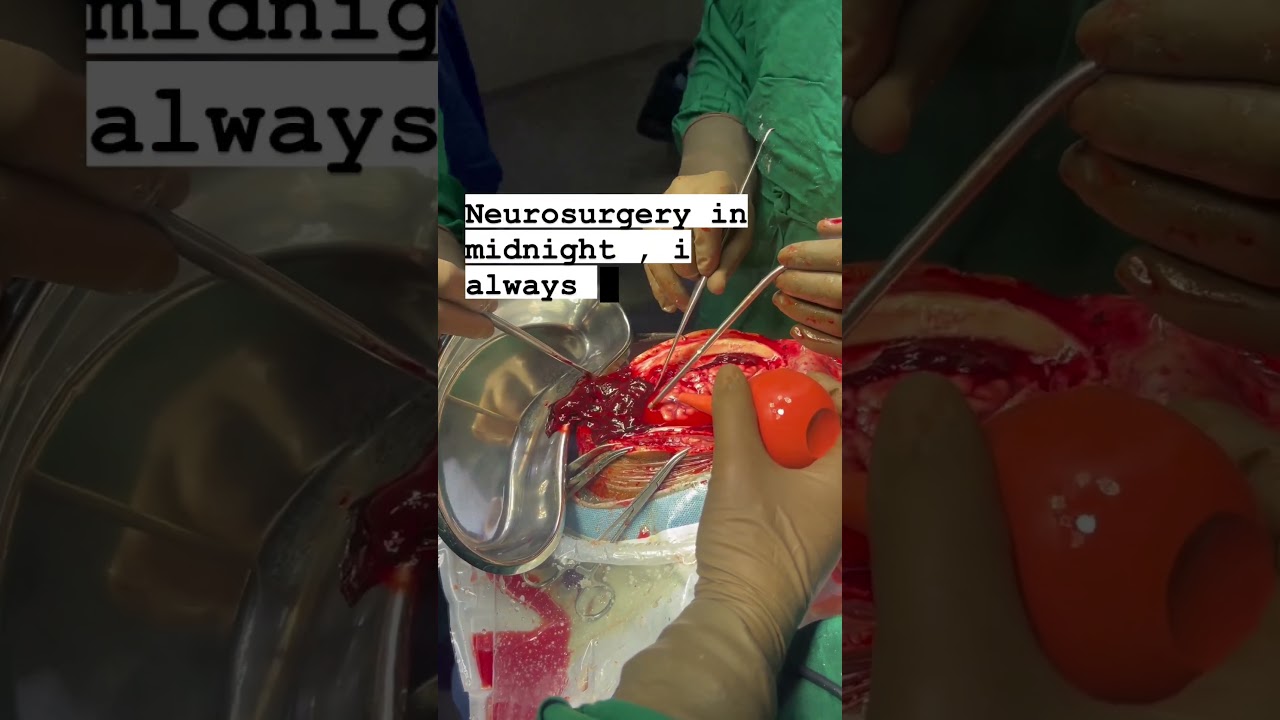
Even after pork tapeworm larvae infect our brain, some people remain asymptomatic their entire lives while others can go for years without symptoms and then suddenly become very ill with seizures, headaches and other focal neurological deficits as the larvae multiply within the nervous system and other tissues and can cause sudden death. Just due to the pressure buildup in the brain.
Transcript auto-generated from the video’s audio for accessibility and study. Educational content only — not medical advice.
Video Overview
From our Neurology collection: Stroke, epilepsy, Parkinson's, dementia and nerve disorders — examinations and treatments explained by neurologists. Browse all Neurology videos →
SORT BY-
Mga Nangungunang Komento
-
Pinakabagong komento