
- Physical Examination
- Surgical Examination
- Ophthalmology
- Clinical Skills
- Orthopedics
- Surgery Videos
- Laparoscopy
- Pediatrics
- Funny Videos
- Cardiothoracic Surgery
- Nursing Videos
- Plastic Surgery
- Otorhinolaryngology
- Histology and Histopathology
- Neurosurgery
- Dermatology
- Pediatric Surgery
- Urology
- Dentistry
- Oncology and Cancers
- Anatomy Videos
- Health and Fitness
- Radiology
- Anaesthesia
- Physical Therapy
- Pharmacology
- Interventional Radiology
- Cardiology
- Endocrinology
- Gynecology
- Emergency Medicine
- Psychiatry and Psychology
- Childbirth Videos
- General Medical Videos
- Nephrology
- Physiology
- Diet and Food Health
- Diabetes Mellitus
- Neurology
- Women Health
- Osteoporosis
- Gastroenterology
- Pulmonology
- Hematology
- Rheumatology
- Toxicology
- Nuclear Medicine
- Infectious Diseases
- Vascular Disease
- Reproductive Health
- Burns and Wound Healing
- Kidney Zone Podcast
- Other














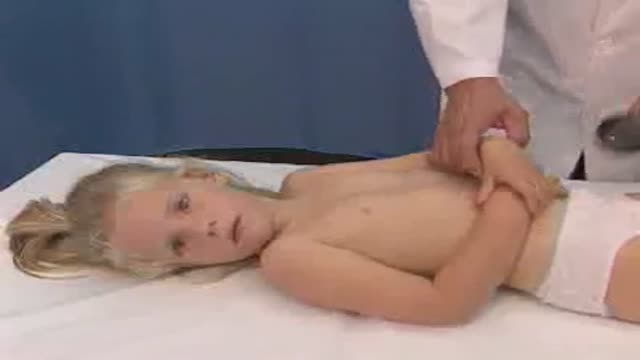
Puberty In Girls Changes and Stages

Educational only: videos on MedicalVideos.com are for general information and are not medical advice. Always consult your own doctor about your health.
The changes and stages of puberty in girls are explained in this educational video, covering the normal sequence of physical development during adolescence. General health information for educational purposes only — not medical advice.
This video in 30 seconds
A narration describing puberty in girls, including the roles of estrogen and progesterone and the variation in timing between individuals. It outlines stages involving breast bud development, pubic hair growth, rapid height growth and the start of menstruation, and discusses early and delayed puberty, emotional and cognitive changes during adolescence, and supportive communication from parents and guardians.
Key points
- Estrogen and progesterone are identified as the hormones behind many pubertal changes
- Breast development is described as usually the first sign, with timing varying between individuals
- Stages described include breast buds, pubic hair growth, rapid height growth and the start of menstruation
- Early puberty and delayed puberty are discussed as variations in timing
- Emotional and cognitive changes are covered alongside supportive communication from parents and guardians
Chapters
- 0:01 — Puberty as physical and emotional change
- 0:43 — Patterns and first signs of puberty
- 1:26 — Early and delayed puberty discussed
- 2:14 — First stage breast bud development
- 3:06 — Second stage hair and growth changes
- 4:24 — Emotional and cognitive changes
- 6:18 — Body image support and communication
Video Transcript
This narration describes puberty in girls, including the roles of estrogen and progesterone and the variation in timing between individuals. It outlines stages involving breast bud development, pubic hair growth, rapid height growth and the start of menstruation, and discusses early and delayed puberty. It also covers emotional and cognitive changes during adolescence and the importance of supportive communication from parents and guardians.
Read the full transcript
Puberty is a time of physical and emotional changes. It transforms a child into a teenager and hence, is an extremely important stage of a girl's life. It is true that puberty is inevitable. However, it is also a fact that Evgirl's puberty experience is unique and therefore, should be handled accordingly. Puberty in girls is popularly believed to be a time when hormones that were in hibernation until now get awakened and signal your body to start the process of puberty. The hormones estrogen and progesterone are responsible for many of the changes experienced
during puberty. Patterns of puberty in girls usually, an increase in the breast size is the initial sign of puberty in girls, but everyone has their own pace and pattern of reaching puberty. Sexual development, although, is a mandatory sign of female puberty. Some girls may develop breasts at a young age and have no other prominent signs of sexual development. In the same manner, some girls get the hair across pubic area and armpits but sexual growth starts very late. This is a very normal process. And a delay in any of the signs of puberty doesn't necessarily imply that there is
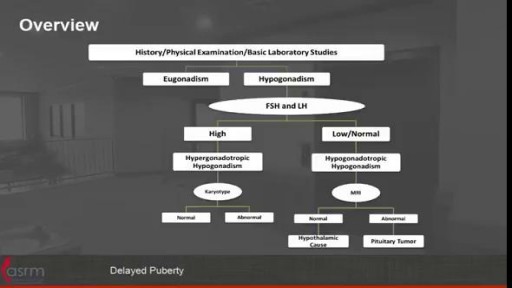
some problem. Prematur puberty. Sometimes, puberty in girls can be experienced at a very young age. Early puberty in girls is also called precocious or premature puberty. Usually, premature puberty is a variation of what we know as normal puberty. Parents must, however, consult with a doctor if the young girl gets pubic hair before the age of 7 to 8. Puberty in girls can get delayed due to a medical reason or malnutrition. You must seek advice from a doctor if your daughter has not developed breast tissue by the age of 14 and menstrual cycle hasn't started 5 years after the development of
breast tissue. Stages of puberty in girls' first stage. Girls experience growth of feet and hands. And in 85% of them. The breast buds develop afterward. Breast bud develops as a knot under the area called a brulee. This nickel size bud may be hard or tender and develops at one side first and then the other side. This could take around 6 months time and is a sign of circulation of estrogen. When breast bud gets developed, the girl starts having vaginal discharge that is driven by estrogen. This discharge comprises of acidic pH and usually is a cause of irritation around the
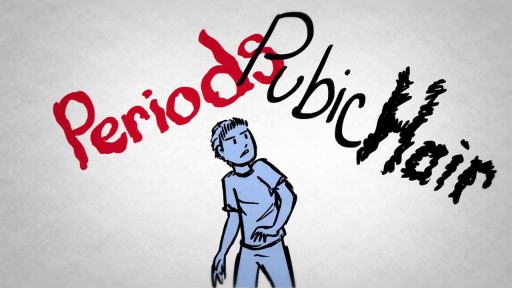
vulva skin. Girls are advised to use a mini pad or creams like diet for rash ointment or zinc oxide to cure this irritation. Second stage. The growth of pubic hair is the second stage of puberty in girls. Around 15% of the girls will start having hair around her pubic area and as soon as this happens the irritation will fade away because the hair follicles will pull the discharge away. Acne will begin to sprout after growth of pubic hair and the girl will show signs of rapid physical growth, such as her height will increase rapidly and her facial features
will also begin to mature. Within 6 months of experiencing early signs of puberty, girls grow around 2-3 inches in height. This is also the time when menstrual cycle begins. After the commencement of menstruation cycle, the phase of reaching puberty is finished but the girl will keep on growing around the trunk area and legs will also strengthen. However, the growth spree will slow down as soon as the periods start. Over the next two years time, most girls grow around 1-2 inches while some may grow as much as 3-4 inches in height.
It must be noted that breasts continue to develop until the age of 18. Changes during puberty in girls when puberty in girls occurs. The brain undergoes a lot of changes as well as it is busy in rearranging connections to establish new thinking patterns. Getting ready for experiencing intense emotions and developing mature decision making and reasoning skills. This indicates that adolescence is really a critical phase in one's life as this is the time when impulse control, good habits, and communication skills are established. These skills would require constant guidance and practice as they are not acquired naturally
but improved along the course of life. As far as physical changes during puberty are concerned, these start between 8 and 13 years and are completed by 14 years for girls. For boys, puberty demences from 10 and ends by the age of 16. As mentioned above, breasts start growing, which marks the first physical change in a young girl. Two years later, menstrual cycle begins and between this duration, other physical changes such as pubic hair, farm pet hair growth, and increase in height occur. As soon as puberty begins, girls also start becoming taller and this improvement in height
ends with puberty. Bodily changes could be faster or slower than expected but it should be remembered that if girl is different and the rate of change is determined naturally. However, it would be a wise idea to contact a doctor if your daughter starts showing signs of puberty before 8 years or if puberty doesn't occur by the age 14. Puberty related changes take a year and have to be completed or may continue for 6 years. The way girls in particular and children, in general, see their body is directly associated
with their self-esteem, which is why it is very important to counsel them at every step. Parents, especially mothers, must tell their daughters that it is okay to experience changes and that every change no matter how weird it is, is normal. Also, give the girl some space during this time and keep communicating so that she is able to discuss all the problems openly. The guardian can help the girl by ensuring that reaching puberty becomes a positive experience for her. Mothers need to help their daughters regarding what to expect and help her deal with puberty.
Transcript auto-generated from the video’s audio for accessibility and study. Educational content only — not medical advice.
Medical Videos
Free medical and surgery videos for patients, students and professionals — trusted since 2007.
Founded by Dr. Mohamed Ibrahim, MD, PhD — physician-scientist.
Follow us on Facebook · Instagram
SORT BY-
Top Comments
-
Latest comments