A step-by-step guide to how an IUD is placed, with a real insertion procedure video.
10/23/26 • 59 المشاهدات

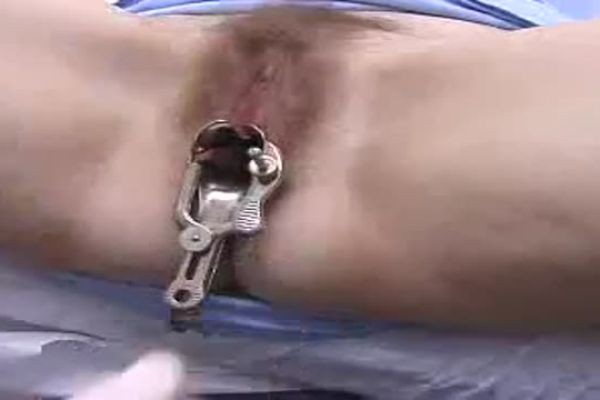
An intrauterine device (IUD) is a small, T-shaped device that sits inside the uterus and prevents pregnancy. There are two families: hormonal IUDs, which release a small amount of progestin, and the copper IUD, which contains no hormones. Both are placed the same way — in a short office procedure that usually takes only a few minutes. The video embedded above shows a real insertion step by step.
Before the device goes in
The clinician first does a pelvic exam to check the position and size of the uterus. A speculum is placed so the cervix can be seen, and the cervix and vagina are cleaned with antiseptic. Some clinicians numb the cervix or recommend a pain reliever beforehand; practices vary.
The insertion, step by step
1. Sounding. A thin instrument called a sound is passed gently through the cervix to measure the depth and direction of the uterus. This tells the clinician how far to place the device.
2. Loading and placement. The IUD comes folded inside a slim inserter tube. The tube is passed through the cervix to the measured depth, and the device is released. Its arms open into the T shape once it is inside the uterus.
3. Trimming the strings. The inserter is removed, and the soft threads attached to the IUD are trimmed so they extend a short way into the vagina. The strings are how the device is later checked and removed.
4. Done. The speculum is removed and the procedure is over. Most people rest for a few minutes before getting up.
What it feels like
Most people feel cramping and pressure during sounding and placement — often described as strong period-like cramps that peak briefly and then ease. Cramping and light spotting can continue for a few days afterwards. Severe or worsening pain is not expected and should be checked promptly.
Afterwards
The strings can be felt with a clean finger to confirm the device is still in place — many clinicians suggest checking after each period. An IUD can be removed at any time in a short office visit: the clinician simply pulls the strings, the arms fold up, and the device slides out.
Educational only — this article is general information about how IUD insertion works, not medical advice. Whether an IUD is right for you, and which type, is a decision to make with your own clinician.
Frequently Asked Questions
How effective is an IUD?
IUDs are among the most effective reversible contraceptives — over 99% effective in typical use, because there is nothing to remember or use in the moment.
How long does an IUD last?
It depends on the type: hormonal IUDs last roughly 3 to 8 years depending on the brand, and the copper IUD can last 10 years or more. Your clinician will tell you the replacement date for yours.
Does an IUD protect against infections?
No. An IUD prevents pregnancy only. It does not protect against sexually transmitted infections.
Can an IUD be removed early?
Yes. Removal is usually quick and can be done at any time; fertility typically returns promptly afterwards.
مقالات ذات صلة