What a cataract is and how modern cataract surgery removes it and replaces it with a clear lens implant — the common myths set straight, FAQs, and a full procedure video.
10/23/26 • 31 Mga view

Few conditions collect quite as many half-truths as the cataract. It is, at heart, a simple problem: the clear lens inside your eye, the one that focuses light, gradually turns cloudy. Vision goes misty, colours lose their punch, and headlights at night start to wear halos. Around that simple problem, though, a small crowd of myths has gathered — so let's walk through the ones eye clinics hear most, and set each beside what actually happens.
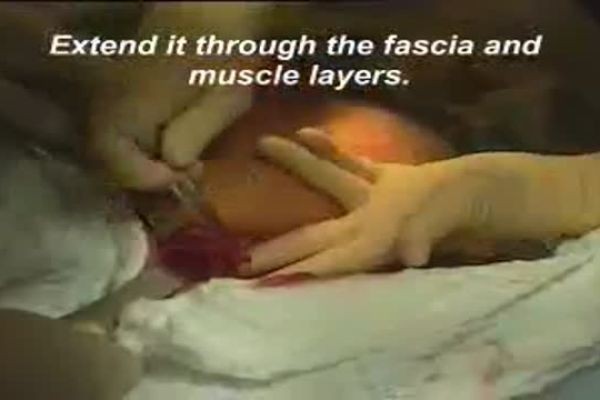
The video at the top of this page helps, because it shows the modern operation as it really is. In a little over four minutes of real-time footage, the surgeon works through a temporal, clear-corneal approach — a tiny opening at the edge of the cornea — using topical anaesthesia and ultrasound phacoemulsification, and finishes by inserting an aspheric silicone lens implant. Keep that calm, short sequence in mind as the myths come up.
Myth: Drops, diets, or exercises can dissolve a cataract
They can't. Once the proteins in the lens have clouded, no drop or supplement reverses that change. Glasses with an updated prescription, brighter reading light, and glare-reducing lenses can make life easier for a while, and for an early cataract that may be all you need. But the only way to remove a cataract itself is surgery — which is a very different thing from saying you need it the moment one is found.
Myth: You must wait until the cataract is "ripe"
That idea belongs to an older era of eye surgery. These days the timing is mostly about you: how much the cloudiness interferes with reading, driving, working, or simply getting around safely. Some people manage comfortably for years; others find the glare troublesome quite early. It's a judgement you make together with your eye surgeon after an examination — not a race to wait for the worst vision, and not a deadline either.
Myth: The operation is a long, major ordeal
What the video shows is closer to the truth. Through the small corneal opening, the surgeon uses a fine ultrasound probe — phacoemulsification — to soften and break up the clouded lens so it can be gently removed, while the thin capsule that held it is largely left in place. A clear artificial lens, the implant you see placed at the end of the footage, is then folded in through the same small opening and unfolds where your natural lens used to sit. The whole thing is commonly done as a day procedure, often with numbing drops rather than a general anaesthetic, and you go home the same day with follow-up checks afterwards. If you'd like to compare, the site also carries a second cataract surgery video covering similar ground.
Myth: A cataract can grow back
It can't, for a straightforward reason: the clouded lens is gone, and the artificial one doesn't cloud in the same way. What can happen, sometimes months or years later, is that the capsule left behind to hold the implant turns a little hazy itself. That is a separate, much smaller problem, and eye clinics can usually clear it with a brief laser procedure at an outpatient visit. And if eye surgery of any kind makes you curious how other procedures compare, our guide to how LASIK works explains a very different operation — one that reshapes the cornea rather than replacing the lens.
MedicalVideos.com has published trusted medical videos since 2007. The site was founded by Dr. Mohamed Ibrahim, MD, PhD — physician, researcher, and former Duke faculty.
Frequently Asked Questions
Is cataract surgery painful?
The eye is numbed for the operation, usually with drops or a local anaesthetic, so most people feel pressure or movement rather than pain. Some soreness or grittiness afterwards is common and settles; your clinic will tell you what to expect and what to report.
Will I still need glasses after the operation?
Possibly, yes — for some tasks. The implant is chosen to focus at a particular distance, and many people still use glasses for reading or for fine detail. Your surgeon will talk through the likely outcome for your eyes before you decide.
Are both eyes done on the same day?
Usually not. When both eyes have cataracts, they're typically treated one at a time, with the second eye done once the first has settled and been checked — although the exact plan is your surgeon's to set.
Educational only — this article is general information about cataracts and cataract surgery, not medical advice. Whether and when surgery is right for you is a decision for you and your own eye doctor.
Mga Kaugnay na Artikulo