A guide to tracheotomy: why it is done and how it works, with a procedure animation video.
10/23/26 • 52 ভিউ

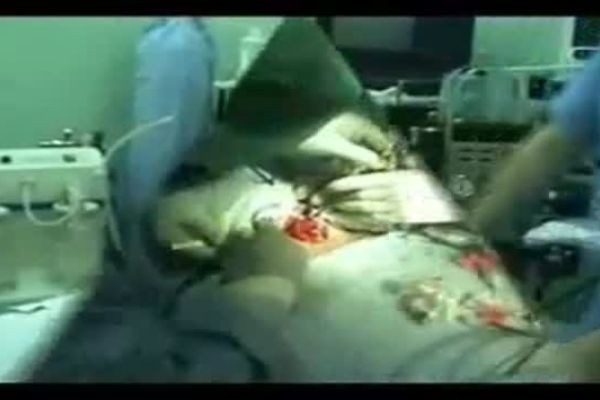
A tracheotomy is a procedure that creates an opening through the front of the neck into the windpipe (trachea), so air can flow in and out without passing through the nose and mouth. A short curved tube — a tracheostomy tube — is placed in the opening to keep it open. The site's procedure library includes tracheotomy videos showing the technique, like the one embedded above.
Why it is done
The common reasons fall into two groups. The first is an airway emergency or blockage: severe swelling, injury, a foreign object, or a tumor that prevents air from reaching the lungs through the upper airway. The second is long-term breathing support: a patient on a ventilator for an extended period is often more comfortable and easier to care for with a tracheostomy than with a breathing tube through the mouth, and it can help when the time comes to wean off the ventilator.
How the procedure works
In a planned tracheotomy, the patient is under general anesthesia (in an emergency it may be done at the bedside with local anesthesia and sedation). The surgeon makes a small incision in the front of the neck, carefully moves aside the tissues and, when needed, the thyroid tissue crossing the trachea, and opens the trachea — usually between its second and fourth rings. The tracheostomy tube is inserted, connected to the breathing circuit, and secured with ties around the neck. Air and oxygen now pass through the tube, bypassing the upper airway entirely.
Living with the tube
The tube needs regular cleaning and suctioning to stay clear of mucus, and the skin around the opening (the stoma) is kept clean and dry. Speaking is difficult with the tube in place because air bypasses the vocal cords; some tubes and valves are designed to redirect air upward so speech becomes possible. Many tracheostomies are temporary: once the original problem resolves, the tube is removed (decannulation) and the opening usually closes on its own over days to weeks, leaving a small scar.
Educational only — this article is general information about tracheotomy, not medical advice. Airway emergencies are life-threatening and belong in emergency care.
Frequently Asked Questions
What is the difference between a tracheotomy and a tracheostomy?
Strictly, the tracheotomy is the procedure that makes the opening; the tracheostomy is the opening itself. In everyday clinical use the words are largely interchangeable.
Is a tracheostomy permanent?
Often not. Many are temporary — for an illness, injury, or a period of ventilation — and are removed when the patient can protect their airway and breathe on their own again.
Can you eat with a tracheostomy tube?
Many people can, sometimes after a swallowing assessment. It depends on the reason for the tube and the person's overall condition, and the care team decides case by case.
What is an emergency cricothyrotomy?
A faster emergency procedure through the cricothyroid membrane, higher in the neck, used when a person cannot breathe and no other airway can be established. It is a bridge, usually converted to a tracheotomy later.
সম্পরকিত প্রবন্ধ