A vasectomy blocks the tubes that carry sperm, as a permanent form of contraception. Sorting the common myths from what the short procedure actually involves — in plain English, with a step-by-step vi..
10/23/26 • 33 Visninger

Let's start with what a vasectomy is not. It isn't castration, it doesn't remove anything, and it doesn't switch off hormones, erections, or sex drive — yet those worries are probably the ones clinicians hear most. Clearing them up makes the actual procedure much easier to understand.
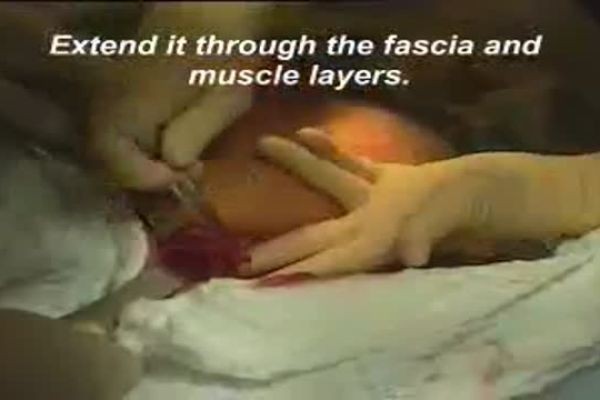
The step-by-step video at the top of this page helps, too. In just under seven minutes it shows how a vasectomy is performed, in order, so you can see how small the operation really is before you read another word.
Myth: everything about sex changes afterwards
Here's the fact. A vasectomy works on one small part of the system: the vas deferens, the pair of thin tubes that carry sperm from the testicles. If those tubes are blocked, sperm simply can't join the semen. Testosterone is made in the testicles and travels in the blood, not along those tubes, so it isn't affected — and because sperm make up only a small part of semen, ejaculation looks and feels much the same as before.
So what does the surgeon actually do?
After the skin of the scrotum is numbed with local anaesthetic, the surgeon reaches one vas deferens at a time through a tiny opening, cuts it, and seals or blocks the ends so sperm can't pass. The same is then done on the other side, and the small opening is closed or left to heal. Some surgeons use a "no-scalpel" technique, reaching the tube through a pinpoint puncture rather than a cut — if you're curious, the site also carries a longer video devoted to the no-scalpel approach.
There's no large incision and nothing is removed. If the idea of a small urology procedure still feels unfamiliar, our earlier guide to circumcision and how it is done covers another short procedure in the same specialty, in the same plain terms.
Myth: it works the moment you leave the clinic
This one matters. Sperm already beyond the blocked point take time to clear, so a vasectomy doesn't provide contraception straight away. You'll be asked to use another method until a follow-up semen test confirms that sperm are no longer present, and only then can you rely on it. Skipping that test is the most common way people get caught out.
Plan on some soreness, swelling, and bruising for the first days, easing gradually — rest, support, and taking it easy on lifting and sport early on are the usual advice. Increasing pain, marked swelling, fever, or redness that spreads are reasons to contact your care team rather than wait.
One last thing worth deciding before, not after: treat a vasectomy as permanent. Reversal operations exist, but they don't always restore fertility, so this is a choice to make only when you're confident your family is complete — a conversation to have properly with your own clinician.
MedicalVideos.com has published trusted medical videos since 2007. The site was founded by Dr. Mohamed Ibrahim, MD, PhD — physician, researcher, and former Duke faculty.
Frequently Asked Questions
Does a vasectomy affect testosterone or sex drive?
No. Testosterone travels from the testicles in the bloodstream, which a vasectomy doesn't touch. Desire, erections, and ejaculation are expected to continue as before, because only the sperm-carrying tubes are blocked.
Is a vasectomy painful?
The area is numbed with local anaesthetic first, so most men feel pressure or tugging rather than sharp pain during the procedure. Soreness and bruising for a few days afterwards are common.
How soon does a vasectomy start working?
Not immediately. Sperm already in the tubes need time to clear, so you should keep using other contraception until a follow-up semen test confirms it is working.
Can a vasectomy be reversed?
A reversal operation can reconnect the tubes, but it doesn't always restore fertility. A vasectomy should be chosen as a permanent method, not as a temporary one.
What happens to the sperm that are still made?
The testicles keep making sperm, but with the tubes blocked the sperm are simply broken down and reabsorbed by the body, as happens naturally with sperm that aren't ejaculated.
Educational only — this article is general information about vasectomy, not medical advice. Decisions about contraception belong with you, your partner where relevant, and your own clinician.
relaterede artikler