What circumcision is, why it is done, how the procedure is performed — shown in a 3D animation — and what healing involves.
10/23/26 • 61 Просмотры

Is it a big operation? Does it take long? And why do people have it done in the first place?
Those are the questions that come up again and again — from new parents in the first days after a birth, and from adult men who have been told they may need it. The short answer is reassuring: circumcision is one of the oldest and most commonly performed small procedures in medicine. It removes the foreskin, the sleeve of skin that covers the tip (glans) of the penis. The 3D animation embedded at the top of this page shows you the whole idea in just 25 seconds — no real footage, just a clear animated walkthrough of which tissue is removed and how the skin is closed afterwards.
So why is it done — family choice, or medical need?
Honestly, it depends on age. In newborns, circumcision is usually a family decision, shaped by religious tradition, culture, or personal preference, and it is typically done in the first days of life. If you are still in that newborn stage, our guide to the stages of childbirth covers what those first hours and days look like.
Later in childhood or in adult life, the reason is more often medical. A foreskin that is too tight to pull back comfortably (phimosis), repeated inflammation or infection under the foreskin, or a foreskin that becomes stuck behind the glans are among the reasons a doctor may suggest it. Sometimes it is recommended after other treatments have not settled the problem. Either way, it is a decision to talk through with your own doctor, who knows your situation — this page is background, not a recommendation.
Walk me through it — what actually happens?
You might picture a long operation. It usually isn't.
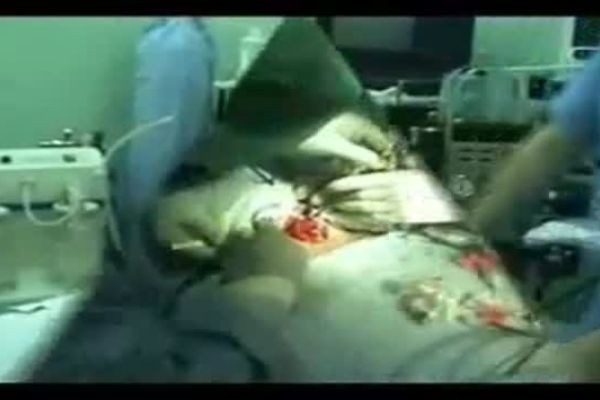
First, the area is numbed. Babies typically receive local anaesthesia, and older children and adults may have a local block or a general anaesthetic, depending on age and circumstances. Next, the surgeon separates the foreskin gently from the glans, removes the excess foreskin, and controls any small blood vessels along the way. Finally, the remaining skin edge is brought together — in older children and adults often with fine dissolving stitches, while newborn procedures commonly use a small clamp or device and may not need stitches at all.
Techniques vary, and the animation above simplifies things on purpose: it follows the basic remove-and-close sequence rather than one named device or method. If you'd like to see how a newborn procedure is performed in real clinical footage after watching the animation, the site also carries a video showing infant circumcision step by step.
And afterwards — what does healing look like?
Expect some swelling and tenderness at first; that is normal and it settles gradually. You will usually be told how to keep the area clean, what dressing or ointment to use if any, and which activities to pause while things heal. Babies tend to heal quickly, often within about a week or so, while older children and adults generally need a little longer and a short time away from strenuous activity and sport.
Call your care team promptly if you notice bleeding that does not stop, increasing redness or pain after the first couple of days, fever, or difficulty passing urine — those are the sorts of warning signs worth getting checked in person rather than watching at home.
MedicalVideos.com has published trusted medical videos since 2007. The site was founded by Dr. Mohamed Ibrahim, MD, PhD — physician, researcher, and former Duke faculty.
Frequently Asked Questions
Does circumcision hurt?
The procedure itself is done with anaesthesia, so the area is numbed beforehand. Some soreness and swelling afterwards are common, and your care team will advise on simple pain relief and aftercare.
At what age can circumcision be done?
It can be performed in newborns, older children, and adults. The technique, anaesthesia, and healing time differ by age, which is why the plan is discussed individually with the clinician doing it.
Will stitches need to be removed?
Often not. When stitches are used in older children and adults they are usually the dissolving kind, and newborn procedures performed with a clamp or device commonly need no stitches at all.
Educational only — this article is general information about circumcision, not medical advice. Decisions about circumcision for you or your child belong with your own doctor.
Статьи по Теме