
- Physical Examination
- Surgical Examination
- Ophthalmology
- Clinical Skills
- Orthopedics
- Surgery Videos
- Laparoscopy
- Pediatrics
- Funny Videos
- Cardiothoracic Surgery
- Nursing Videos
- Plastic Surgery
- Otorhinolaryngology
- Histology and Histopathology
- Neurosurgery
- Dermatology
- Pediatric Surgery
- Urology
- Dentistry
- Oncology and Cancers
- Anatomy Videos
- Health and Fitness
- Radiology
- Anaesthesia
- Physical Therapy
- Pharmacology
- Interventional Radiology
- Cardiology
- Endocrinology
- Gynecology
- Emergency Medicine
- Psychiatry and Psychology
- Childbirth Videos
- General Medical Videos
- Nephrology
- Physiology
- Diet and Food Health
- Diabetes Mellitus
- Neurology
- Women Health
- Osteoporosis
- Gastroenterology
- Pulmonology
- Hematology
- Rheumatology
- Toxicology
- Nuclear Medicine
- Infectious Diseases
- Vascular Disease
- Reproductive Health
- Burns and Wound Healing
- Kidney Zone Podcast
- Other
Dialysis
Dialysis is a treatment that does part of the kidneys’ work — removing waste and extra fluid from the blood — when the kidneys can no longer do it well enough. This page gathers our best material in one place: how haemodialysis and peritoneal dialysis work, the access and catheters they need, and what life on dialysis is like.
✓ Medically reviewed by Dr. Mohamed Ibrahim, MD, PhD — physician-scientist · Last reviewed: October 2026
In short: Dialysis is a treatment that does part of the kidneys' work — removing waste and extra fluid from the blood — when the kidneys can no longer do it well enough. This page shows how haemodialysis and peritoneal dialysis work, the access they need, and what life on dialysis is like.
The wider library holds medical videos on kidney disease, transplantation, and hundreds of other topics, all free to watch.
Watch: dialysis videos
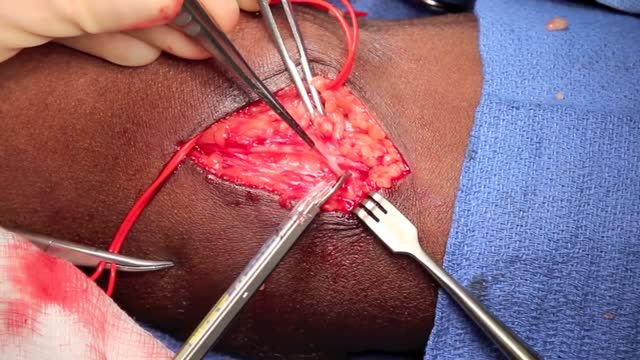 Brachial-basilic AV fistula
42,021 views
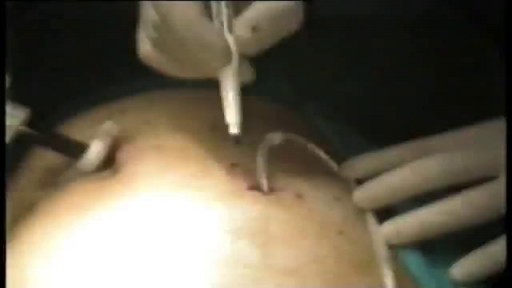 one port laparoscopic technique of peritoneal dialysis catheter placement
24,865 views
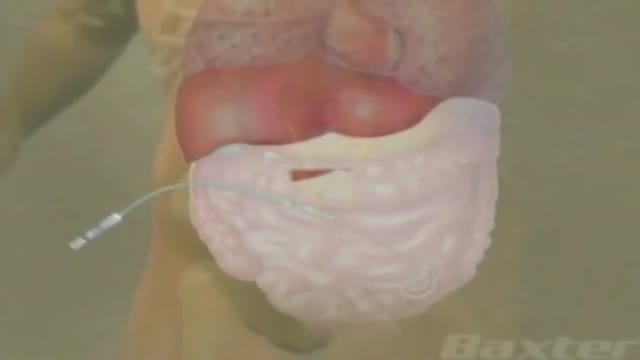 Peritoneal Dialysis for Kidney Disease
14,435 views
 Hemodialysis Introduction for Kidney
10,711 views
 Kidney Disease Treatment
10,666 views
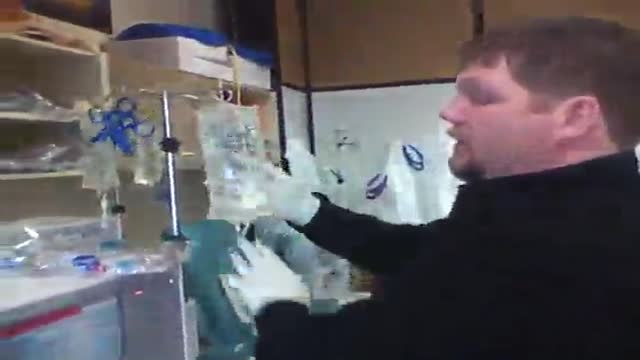 Hemodialysis Machine Setup
8,591 views
Read: the plain-language guide
How Does Dialysis Work? What dialysis replaces, the difference between haemodialysis and peritoneal dialysis, how often it happens, and what a session actually involves — in plain language. Read the article →Listen: Kidney Zone Podcast
Dialysis on the Kidney Zone Podcast Dr. Mo’s patient-education podcast returns to dialysis and transplant again and again across its 57 episodes — start with the episode library and search “dialysis”. Browse the podcast episodes →Try the kidney function calculator
eGFR Calculator (CKD-EPI 2021) eGFR is the estimate clinicians follow as kidney function declines — the number that frames conversations about preparing for dialysis or transplant. Open the calculator →Frequently asked questions
Does dialysis cure kidney failure?
No. Dialysis replaces part of what healthy kidneys do — removing waste and extra fluid — but it doesn’t repair the kidneys themselves. For some people a kidney transplant is an option that their team may discuss; others continue on dialysis long term.
Does dialysis hurt?
The treatment itself is generally not described as painful, though the needles used for haemodialysis access can cause brief discomfort, and cramps or a drop in blood pressure can happen during sessions. With peritoneal dialysis, the draining and filling can feel unusual at first. Your team can usually adjust things if a session feels difficult — tell them rather than putting up with it.
Can you live a normal life on dialysis?
Many people work, travel, and carry on with much of daily life while on dialysis, though it takes planning around sessions or exchanges, and energy levels vary. How someone feels depends on their overall health as much as on the dialysis itself, which is why follow-up with the kidney team matters.
Related topics on MedicalVideos.com
Reading for Life on Dialysis
Living on Dialysis: A Guide Book for Patients — a plain-language book for people starting dialysis and the family members helping them adjust. See it on Amazon →
As an Amazon Associate, MedicalVideos.com earns from qualifying purchases.
Sources & further reading
Authoritative references for readers who want to go deeper:
This page is for general education only and is not medical advice. Dialysis decisions — whether, when and which type — are individual and made with your kidney team. If you are on dialysis and feel very unwell during or after a session, contact your unit promptly or seek urgent care.