
- Physical Examination
- Surgical Examination
- Ophthalmology
- Clinical Skills
- Orthopedics
- Surgery Videos
- Laparoscopy
- Pediatrics
- Funny Videos
- Cardiothoracic Surgery
- Nursing Videos
- Plastic Surgery
- Otorhinolaryngology
- Histology and Histopathology
- Neurosurgery
- Dermatology
- Pediatric Surgery
- Urology
- Dentistry
- Oncology and Cancers
- Anatomy Videos
- Health and Fitness
- Radiology
- Anaesthesia
- Physical Therapy
- Pharmacology
- Interventional Radiology
- Cardiology
- Endocrinology
- Gynecology
- Emergency Medicine
- Psychiatry and Psychology
- Childbirth Videos
- General Medical Videos
- Nephrology
- Physiology
- Diet and Food Health
- Diabetes Mellitus
- Neurology
- Women Health
- Osteoporosis
- Gastroenterology
- Pulmonology
- Hematology
- Rheumatology
- Toxicology
- Nuclear Medicine
- Infectious Diseases
- Vascular Disease
- Reproductive Health
- Burns and Wound Healing
- Other
Endocrinology


Thyroid nodules increase with age and are present in almost 10% of the adult population. Autopsy studies reveal the presence of thyroid nodules in 50% of the population, so they are fairly common. 95% of solitary thyroid nodules are benign, and therefore, only 5% of thyroid nodules are malignant.

This system treats type 2 diabetes by promoting weight loss.
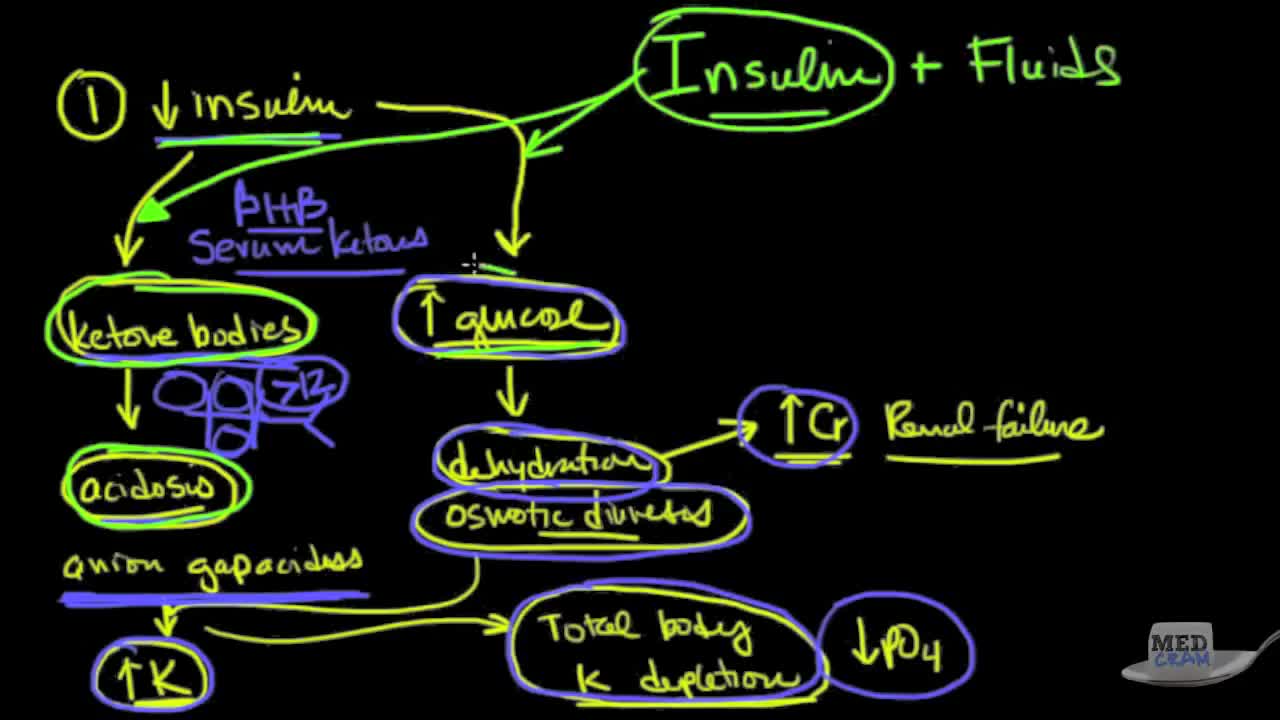
This is video 2 of 2 on diabetic ketoacidosis (DKA).
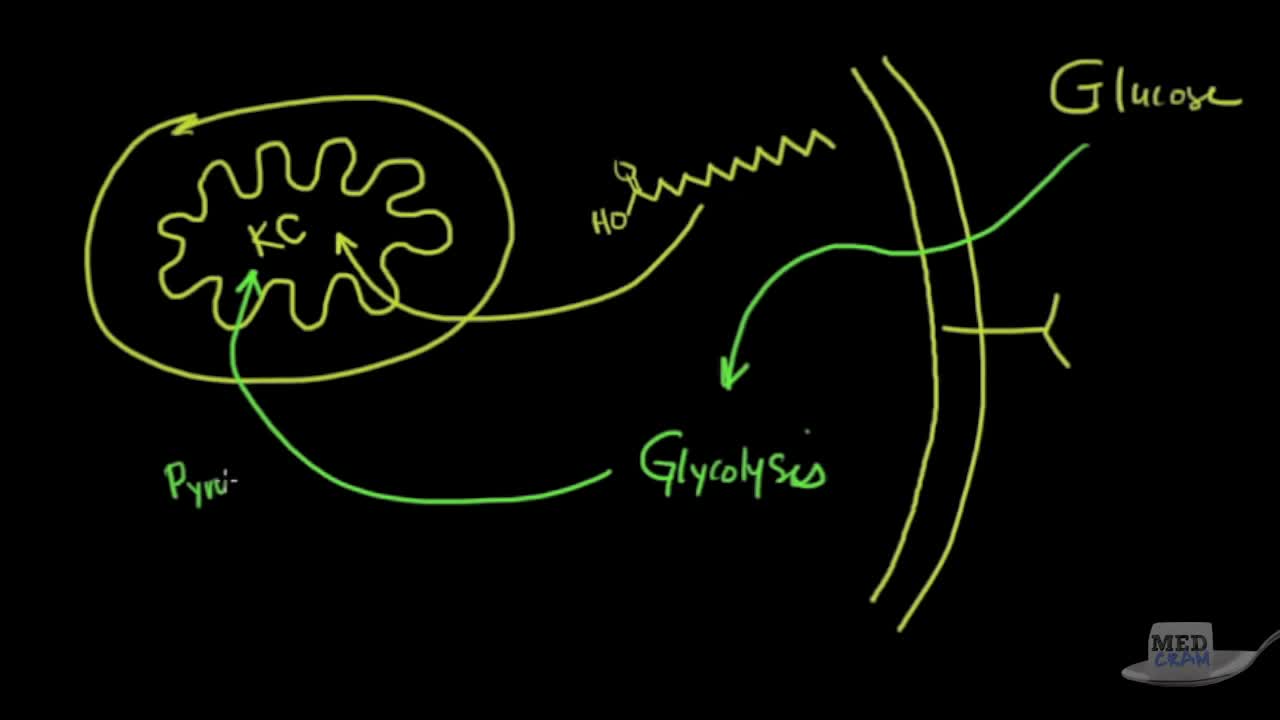
This is video 1 of 2 on diabetic ketoacidosis (pathophysiology and signs of diabetic ketoacidosis / DKA):
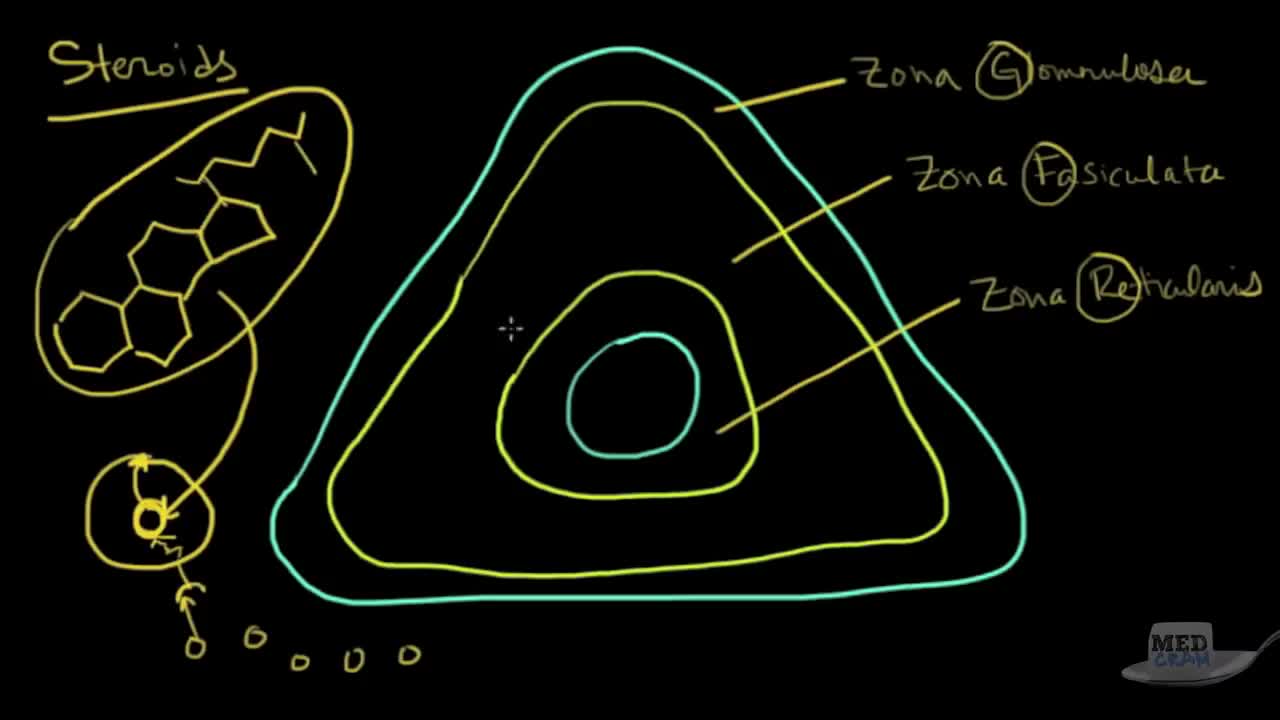
Understand the adrenal gland with a focus on the adrenal cortex with this clear explanation .
Learn one of the hidden reasons why you still have a thyroid symptoms. If your lab results are "normal"--then why do you still have thyroid symptoms like: * Tired, sluggish * Can't lose weight even with exercise * Feel cold—hands, feet, or all over * Require excessive amounts of sleep to function properly * Increase in weight gain even with low-calorie diet * Gain weight easily * Difficult, infrequent bowel movements * Depression, lack of motivation * Morning headaches that wear off as the day progresses * Outer third of eyebrow thins * Thinning of hair on scalp, face or genitals or hair loss * Dryness of skin and/or scalp * Mental sluggishness * Nervousness and emotional * Insomnia * Night sweats

This video describe the clinical managment of a patient with hyperprolactinemia, including the approach to diagnosis, important endocrine testing, and management options.

This video is designed for my introductory A&P course to study the endocrine system. This tutorial will take you through the various endocrine organs, hormones produced, and effects at each tissue. Prolactin is one of the 5 hormones we are studying of the anterior pituitary. SHOW MORE

I have elevated prolactin levels. What does this mean? What can I do to regulate my hormones? watch to learn more
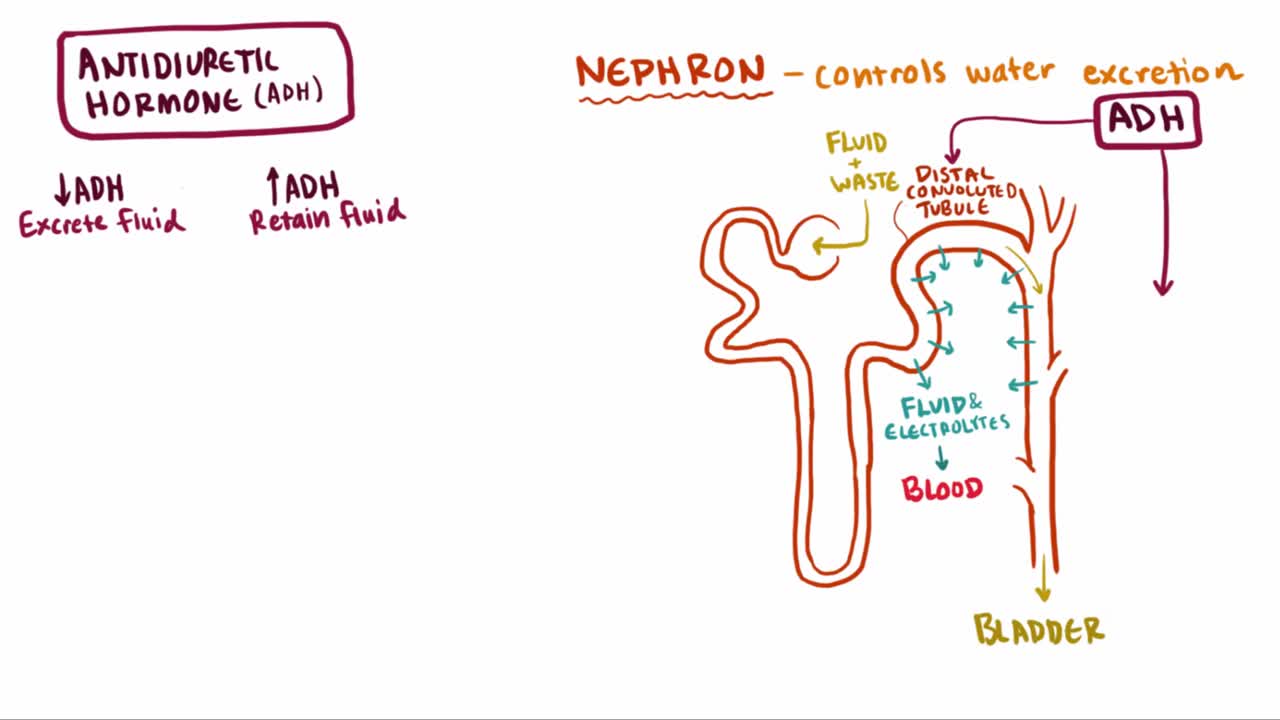
What is syndrome of inappropriate antidiuretic hormone (SIADH)? Well, SIADH is a condition where too much ADH hormone is released, which causes an increase in blood volume and ultimately leads to a series of complications related to the blood osmolality and osmolarity

Inserting the Enlite Sensor with insulin pump

Echo Therapeutics Symphony tCGM Continuous Glucose Monitor

The pituitary is a small gland found inside the skull just below the brain and above the nasal passages, which are above the fleshy back part of the roof of the mouth (known as the soft palate). The pituitary sits in a tiny bony space called the sella turcica. The nerves that connect the eyes to the brain, called the optic nerves, pass close by it.

Testosterone treatment in adolescent boys with constitutional delay
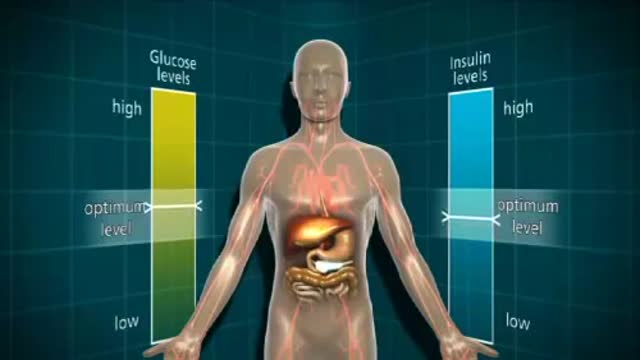
a disease in which the body’s ability to produce or respond to the hormone insulin is impaired, resulting in abnormal metabolism of carbohydrates and elevated levels of glucose in the blood and urine.
Recommended range without diabetes is 70 to 130mg/dL. (The standard for measuring blood glucose is "mg/dL" which means milligrams per deciliter.) If your blood glucose level is above 130mg/dL, that's fasting hyperglycemia. Fasting hyperglycemia is a common diabetes complication.
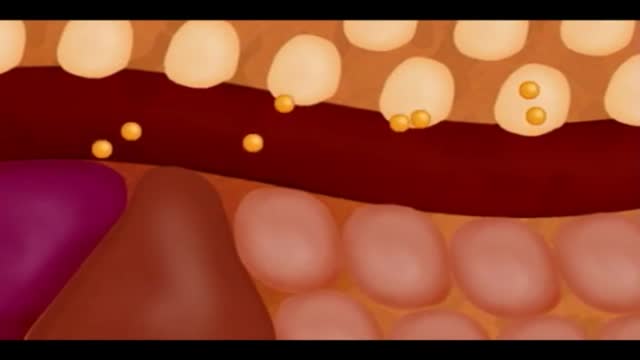
The usual reason given for people getting fat is that they eat too much and/or exercise too little. That reflects one of the basic laws of thermodynamics—I forget which one. The amount of energy you put into a system minus the energy you take out has to be stored somewhere i.e. FAT! This formulation—true though it is—does not entirely explain obesity since some people seem to eat more than fat people and exercise no more than these same fat people, and yet they are not fat! Chalking this fact up to the general perversity of the universe is not sufficient explanation. Other factors must come into play. I mention below some of the ideas thoughtful people have proposed to explain why fat people become fat:

Insulin is a hormone made naturally in the pancreas that helps move sugar into the cells of your body. Your cells use the sugar as fuel to make energy. Without enough insulin, sugar stays in your bloodstream, raising your blood sugar. High blood sugar, or hyperglycemia, can lead to the signs and symptoms of diabetes:
Possible complications include: Cardiovascular disease. ... Nerve damage (neuropathy). ... Kidney damage (nephropathy). ... Eye damage (retinopathy). ... Foot damage. ... Skin conditions. ... Hearing impairment. ... Alzheimer's disease.

Hypothyroidism during pregnancy is treated with synthetic thyroid hormone, thyroxine (T4). Postpartum thyroiditis—inflammation of the thyroid gland—causes a brief period of hyperthyroidism, often followed by hypothyroidism that usually goes away within a year. Sometimes the hypothyroidism is permanent.
