
- Procedures & Tests
- Symptoms A-Z
- Symptom Checker
- Kidney Diet
- First Aid
- Anatomy Atlas
- Ask MedicalVideos
- Drug Guide
- Lab Values
- Vital Signs
- Muscles A–Z
- Clinical Signs
- Medical Abbreviations
- Medical Terminology
- Physical Examination
- Surgical Examination
- Ophthalmology
- Clinical Skills
- Orthopedics
- Surgery Videos
- Laparoscopy
- Pediatrics
- Medical Humor
- Cardiothoracic Surgery
- Nursing Videos
- Plastic Surgery
- Otorhinolaryngology
- Histology and Histopathology
- Neurosurgery
- Dermatology
- Pediatric Surgery
- Urology
- Dentistry
- Oncology and Cancers
- Anatomy Videos
- Health and Fitness
- Radiology
- Anaesthesia
- Physical Therapy
- Pharmacology
- Interventional Radiology
- Cardiology
- Endocrinology
- Gynecology
- Emergency Medicine
- Psychiatry and Psychology
- Childbirth Videos
- General Medical Videos
- Nephrology
- Physiology
- Diet and Food Health
- Diabetes Mellitus
- Neurology
- Women Health
- Osteoporosis
- Gastroenterology
- Pulmonology
- Hematology
- Rheumatology
- Toxicology
- Nuclear Medicine
- Infectious Diseases
- Vascular Disease
- Reproductive Health
- Burns and Wound Healing
- Kidney Zone Podcast
- Other















Diabetes & Associated Complications
kareem S. Diabetes & Associated Complications [video]. MedicalVideos.com; 2024 Jan 17 [cited 2026 Nov 24]. Available from: https://www.medicalvideos.com/watch/diabetes-associated-complications_93583a13c0dd6686f3f3.html
kareem, S. (2024, January 17). Diabetes & Associated Complications [Video]. MedicalVideos.com. https://www.medicalvideos.com/watch/diabetes-associated-complications_93583a13c0dd6686f3f3.html
kareem, samer. “Diabetes & Associated Complications.” MedicalVideos.com, 17 Jan. 2024, https://www.medicalvideos.com/watch/diabetes-associated-complications_93583a13c0dd6686f3f3.html. Accessed 24 Nov. 2026.
@misc{medicalvideos2024_93583a13c0dd6686f3f3,
  author = {kareem, samer},
  title = {Diabetes & Associated Complications},
  publisher = {MedicalVideos.com},
  year = {2024},
  month = {1},
  url = {https://www.medicalvideos.com/watch/diabetes-associated-complications_93583a13c0dd6686f3f3.html},
  note = {Video},
  urldate = {2026-11-24}
}Vancouver (NLM) is the manuscript standard for medical journals. RIS imports into EndNote, Zotero and Mendeley.

Educational only: videos on MedicalVideos.com are for general information and are not medical advice. Always consult your own doctor about your health.
Diabetes and its associated complications are explained in this educational presentation. A speaker living with type 2 diabetes introduces how insulin resistance and elevated blood glucose can affect the eyes, nerves, kidneys, heart and brain over time. The narration distinguishes microvascular and macrovascular complications in general terms, presenting diabetes as a chronic condition that involves many body systems.
This video in 30 seconds
This video covers complications associated with diabetes. It lists cardiovascular disease, nerve damage, kidney damage, eye damage, foot damage, skin conditions, hearing impairment, and Alzheimer's disease among the possible complications.
Key points
- Lists cardiovascular disease as a possible complication
- Covers nerve damage (neuropathy), kidney damage (nephropathy), and eye damage (retinopathy)
- Also lists foot damage, skin conditions, hearing impairment, and Alzheimer's disease
Video Transcript
A man diagnosed with type 2 diabetes introduces an educational explanation of diabetes and its associated complications, covering insulin, glucose entering cells, insulin resistance and elevated blood glucose. The narration describes microvascular complications affecting the eyes, nerves and kidneys, and macrovascular complications including atherosclerosis, heart attack and stroke. It presents diabetes as a chronic condition affecting many body systems.
Read the full transcript
Hello everyone. My name's John and I was diagnosed with Type 2 Diabetes some years ago and I'm here to tell you my story and some things about Type 2 Diabetes you may not know.
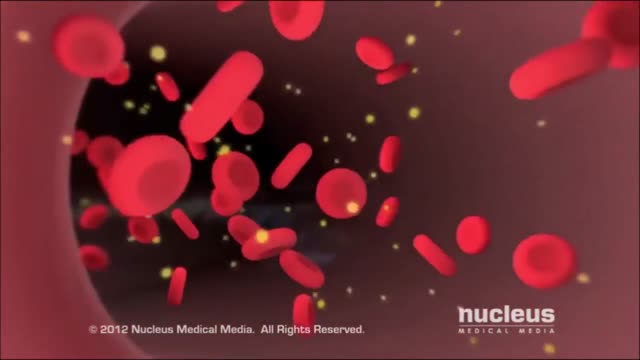
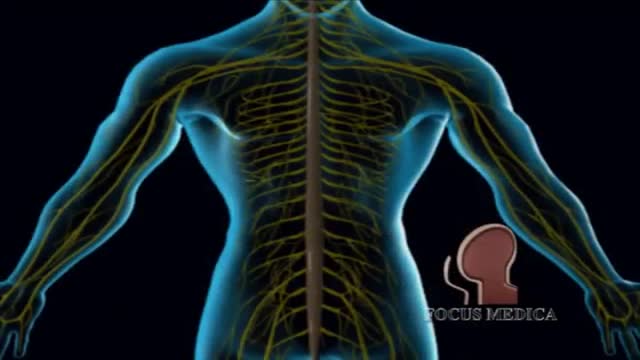
You've just seen the prevalence statistics for diabetes. We all know that this epidemic is having an overwhelming impact on society and healthcare spending worldwide. So why is this often preventable, manageable illness causing such devastation? The answer lies in truly understanding how the whole body is affected by diabetes. The heart, blood vessels, brain, kidneys, liver, eyes and nervous system. And that is why I'm here. The hormone insulin plays an important role in controlling blood glucose. Insulin allows sugar, glucose, to enter cells of the body from the bloodstream where it is used as energy,
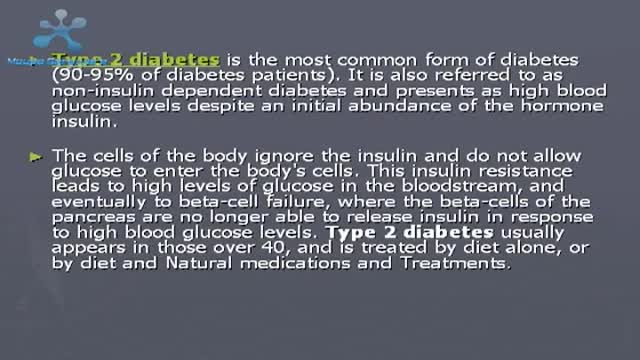
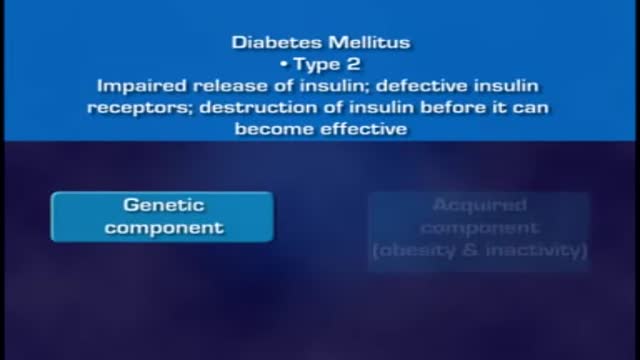
such as in muscle or brain cells or stored, such as in liver or fat cells. Type 2 Diabetes occurs when insufficient insulin is released or the body is unable to use insulin properly. This can lead to an insulin secretion deficiency or insulin resistance, which plays a key role in developing hypoglycemia or elevated blood glucose and eventually Type 2 Diabetes. As a result of hypoglycemia, glucose accumulates in the bloodstream, causing acute diabetic symptoms such as tiredness, blurred vision, thirst and frequent urination. But diabetes is also a chronic lifelong condition and thus requires careful control.
Without proper management, damage may occur to widespread bodily functions. These are termed microvascular complications, which can affect the eyes, feet and kidneys, or macrovascular complications, which could affect the brain or the heart. Microvascular complications of diabetes can impair eyesight or cause vision loss. Excess blood sugar can cause nerve damage. Over time, high blood glucose levels damage the kidney filtering systems, allowing protein into the urine, a condition called microalbuminuria. Longer term, excess glucose consumption progresses to a condition known as diabetic nephropathy. As a result of diabetes complications, in severe cases, patients can experience kidney failure
requiring dialysis or transplantation. So, now that we've looked at the microvascular complications that can arise from diabetes, we'll turn our attention to the macrovascular complications. For example, atherosclerosis, which is a hardening and narrowing of the arteries caused by increased sugar in the bloodstream. When this happens in arteries supplying the heart, it can cause coronary heart disease leading to heart attacks and angina. People with diabetes are two to four times more likely to have a heart attack than someone without the disease. In fact, adults being treated for diabetes are just as likely to have a heart attack
or stroke or die from cardiovascular causes as people who have had a prior heart attack. Second, high levels of fats, such as cholesterol in the bloodstream of diabetics, further increase the risk of heart disease. In the brain, atherosclerosis can cause diabetes patients to suffer a stroke. The risk of stroke among people with type 2 diabetes is already high at the onset of the disease. In fact, it's more than double that of the general population. So, you see, type 2 diabetes can affect our bodies dramatically. Every 10 seconds, two people develop diabetes
and one person dies from diabetes-related causes around the world. Innovative therapeutic options for type 2 diabetes are critical to help prevent these serious long-term health consequences. I hope my story has brought you a bit closer to me, the patient. Goodbye, and I wish you the best of health.
Transcript auto-generated from the video’s audio for accessibility and study. Educational content only — not medical advice.
Related reading
Save videos for later
Create a free account to build your own watch-later list and playlists, and pick up where you left off on any device.
Medical Videos
Free medical and surgery videos for patients, students and professionals — trusted since 2007.
Founded by Dr. Mohamed Ibrahim, MD, PhD — physician-scientist.
Follow us on Facebook · Instagram
SORT BY-
Top Comments
-
Latest comments