
- Physical Examination
- Surgical Examination
- Ophthalmology
- Clinical Skills
- Orthopedics
- Surgery Videos
- Laparoscopy
- Pediatrics
- Funny Videos
- Cardiothoracic Surgery
- Nursing Videos
- Plastic Surgery
- Otorhinolaryngology
- Histology and Histopathology
- Neurosurgery
- Dermatology
- Pediatric Surgery
- Urology
- Dentistry
- Oncology and Cancers
- Anatomy Videos
- Health and Fitness
- Radiology
- Anaesthesia
- Physical Therapy
- Pharmacology
- Interventional Radiology
- Cardiology
- Endocrinology
- Gynecology
- Emergency Medicine
- Psychiatry and Psychology
- Childbirth Videos
- General Medical Videos
- Nephrology
- Physiology
- Diet and Food Health
- Diabetes Mellitus
- Neurology
- Women Health
- Osteoporosis
- Gastroenterology
- Pulmonology
- Hematology
- Rheumatology
- Toxicology
- Nuclear Medicine
- Infectious Diseases
- Vascular Disease
- Reproductive Health
- Burns and Wound Healing
- Other
Latest videos
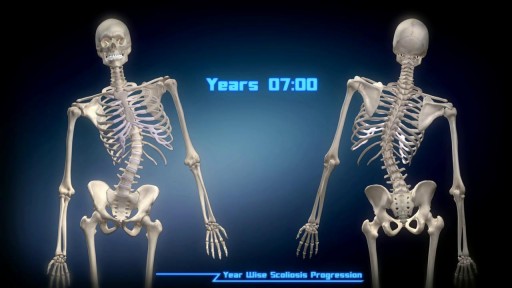

If you look at someone’s back, you’ll see that the spine runs straight down the middle. When a person has scoliosis, their backbone curves to the side. The angle of the curve may be small, large or somewhere in between. But anything that measures more than 10 degrees is considered scoliosis. Doctors may use the letters “C” and “S” to describe the curve of the backbone. You probably don’t look directly at too many spines, but what you might notice about someone with scoliosis is the way they stand. They may lean a little or have shoulders or hips that look uneven. What Causes Scoliosis? In as many as 80% of cases, doctors don’t find the exact reason for a curved spine. Scoliosis without a known cause is what doctors call “idiopathic.” Some kinds of scoliosis do have clear causes. Doctors divide those curves into two types -- structural and nonstructural. In nonstructural scoliosis, the spine works normally, but looks curved. Why does this happen? There are a number of reasons, such as one leg’s being longer than the other, muscle spasms, and inflammations like appendicitis. When these problems are treated, this type of scoliosis often goes away. In structural scoliosis, the curve of the spine is rigid and can’t be reversed
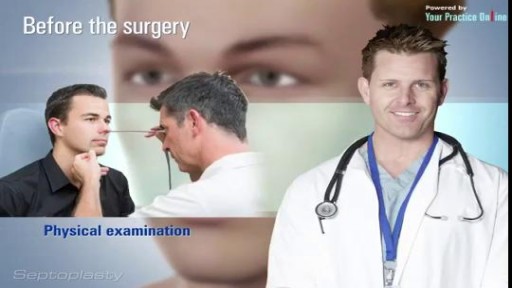
3D Medical
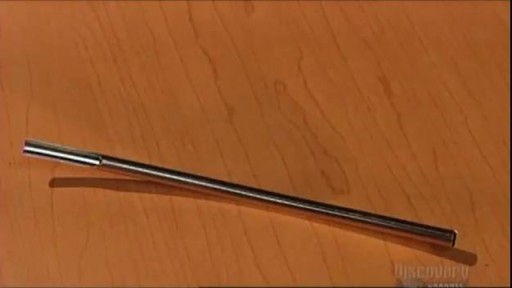
This video shows how the hypodermic needles are made
http://vencer-la-diabetes-rapido.info-pro.co/ Como Controlar La Diabetes Tipo 2 Naturalmente Sin Medicamentos, Pre Diabetes Y Diabetes Tipo 1. https://youtu.be/BOSkQ5MnjT0 Que es la Insulina? Una definición practica sin adentrarnos en terminos estrictamente medicos es que la insulina es una hormona formada por 51 aminoácidos. Dentro del páncreas, las células beta producen la hormona llamada insulina. Con cada comida, las células beta liberan insulina para ayudar al cuerpo a utilizar o almacenar en la sangre la glucosa que se obtiene de los alimentos. Su déficit provoca la diabetes mellitus y su exceso provoca hiperinsulinismo con hipoglucemia. En las personas con diabetes tipo 1, el páncreas no produce insulina. Las células beta han sido destruidas y se necesitan inyecciones de insulina para utilizar la glucosa de las comidas. Las personas con diabetes tipo 2 producen insulina, pero sus cuerpos no responden bien a la misma. Algunas personas con diabetes tipo 2 necesitan medicamentos para la diabetes o inyecciones de insulina para ayudar a su cuerpo a utilizar la glucosa para obtener energía. * La insulina no se puede tomar como una píldora, ya que se descompone durante la digestión al igual que la proteína en los alimentos. Se debe inyectar en la grasa debajo de la piel para que llegue a la sangre. Existen diferentes tipos de insulina en función de la rapidez con que trabajan, y en funcion de su duración. La insulina viene en diferentes concentraciones, la más común es U-100. Tipos de insulina: * De Acción Rápida: Comienza a trabajar unos 15 minutos después de la inyección, con picos en aproximadamente 1 hora, y continúa trabajando por un tiempo de 2 a 4 horas. Tipos: Insulina glulisina (Apidra), la insulina lispro (Humalog) y la insulina aspart (NovoLog). * Regular o de Acción Corta: Generalmente llega al torrente sanguíneo a los 30 minutos después de la inyección, picos de entre 2 a 3 horas después de la inyección, y es efectiva durante aproximadamente 3 a 6 horas. Tipos: Humulin R, Novolin R * De Acción Intermedia: Generalmente llega al torrente sanguíneo de aproximadamente 2 a 4 horas después de la inyección, picos de 4 a 12 horas y eseficaz durante aproximadamente 12 a 18 horas. Tipos: NPH (Humulin N, Novolin N) * De Acción Prolongada: Alcanza el torrente sanguíneo varias horas después de la inyección y tiende a disminuir los niveles de glucosa de manera bastante uniforme durante un período de 24 horas. Tipos: La insulina detemir (Levemir) y la insulina glargina (Lantus) Nota: Esta información debes consultarla siempre con tu medico especialista. La insulina Tiene 3 Características: El inicio: Es el tiempo antes de que la insulina alcance el torrente sanguíneo y se inicie la reducción de la glucosa en sangre. Pico: Es el tiempo durante el cual la insulina está surtiendo el máximo efecto en términos de reducción de la glucosa en sangre. La duración: Es cuánto tiempo la insulina continúa reduciendo la glucosa sanguínea.

Powerful results. Lasting effects. Medical approach. Rejuvenation therapy. Hormone treatments. Skin improvement. Revitalizing care. https://health4lifed.blogspot.com/
http://eliminar-seu-diabetes.good-info.co/ Tipos De Diabetes, Diabets, Alimentação Para Diabéticos, Diabetes Tipo Ii, Yacon Diabetes, https://youtu.be/iDK8jKuR_VQ É provável que se sinta identificado com alguma destas situações. Tem medo de uma complicação a longo prazo, como a perda da visão, a amputação dos dedos dos pés, de extremidades ou inclusive da morte? Quer terminar com as injeções diárias de insulina e as picadas nos dedos? Enfrenta diariamente o fato de que tem 80% de probabilidades de morrer com doenças cardíacas ou derrame cerebral? Sofre de excesso de peso que não pode eliminar, causada por seus medicamentos? Quer deixar de se sentir culpado por ter dietas especiais que complicam a organização da sua família? Está oprimido pelo cuidado e controle que diariamente esta doença precisa? Quer deixar de sofrer os terríveis efeitos secundários que provocam os medicamentos para o Diabetes? Sei o que se sente. pensar que não existe esperança, que não tem cura e que estamos condenados a viver doentes. Mas hoje Tenho Excelentes Notícias para lhe dar e posso garantir que o que você vai ler neste site será o mais importante que tenha lido em toda a sua vida.
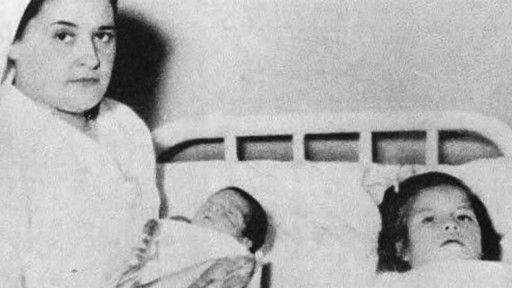
Real Story: Youngest Mother In History (5 years old) Pregnant FIVE YEAR OLD! Youngest Mother In The World, Lina Medina's True Story!
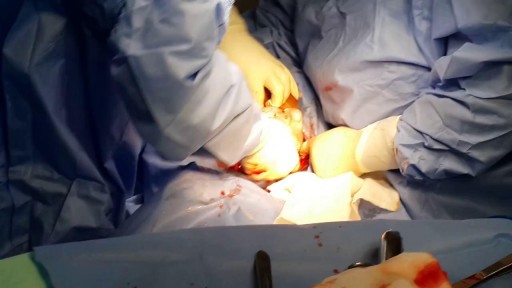
Delivery of 3 babies in a triplet pregnancy
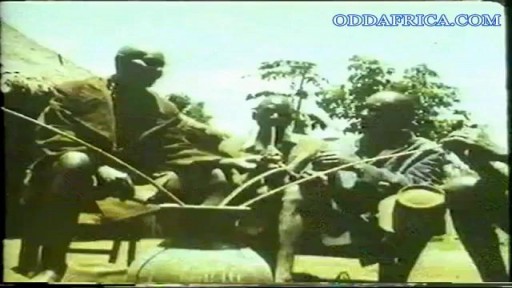
An African traditional healer performing a brain surgery.
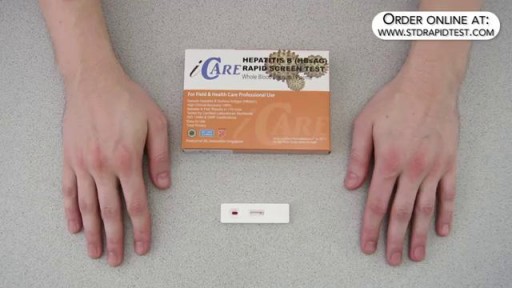
How to use a Hepatitis B rapid test kit for self-diagnosis of Hepatitis B (fingerstick blood). Convenient, Easy to Use, and over 98% Accurate. Certified GMP and ISO13485. Test yourself at home with Complete Privacy. Buy online today at: http://www.stdrapidtest.com
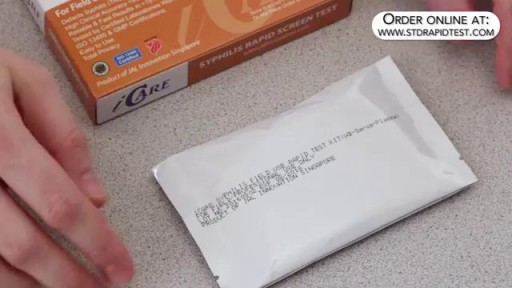
How to use a Syphilis rapid test kit for self-diagnosis of Syphilis (fingerstick blood). Convenient, Easy to Use, and over 99% Accurate. Certified GMP and ISO13485. Test yourself at home with Complete Privacy. Buy online today at: http://www.stdrapidtest.com
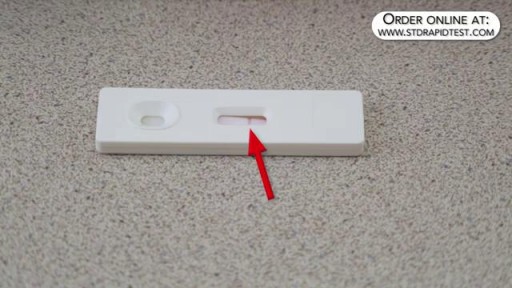
How to use a Gonorrhea rapid test kit for self-diagnosis of Gonorrhea (swab test). Convenient, Easy to Use, and over 99% Accurate. Certified GMP and ISO13485. Test yourself at home with Complete Privacy. Buy online today at: http://www.stdrapidtest.com
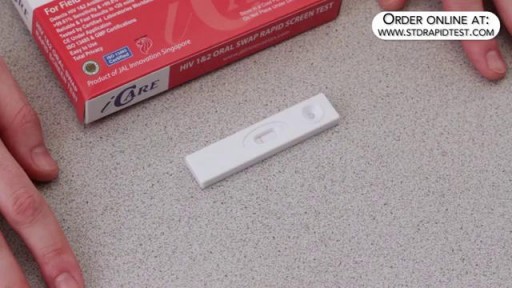
How to use a HIV ORAL rapid test kit for self-diagnosis of HIV (oral swab test). Convenient, Easy to Use, and over 99% Accurate. Test yourself at home with Complete Privacy. Buy online today at: http://www.stdrapidtest.com
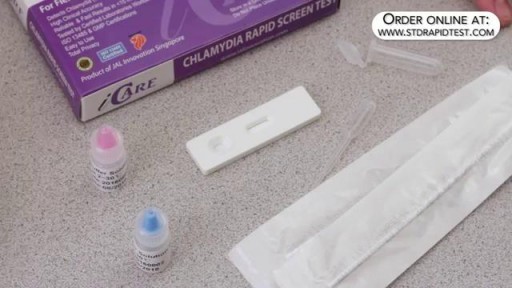
How to use a Chlamydia rapid test kit for self-diagnosis of Chlamydia (swab test). Convenient, Easy to Use, and over 95% Accurate. Certified GMP and ISO13485. Test yourself at home with Complete Privacy. Buy online today at: http://www.stdrapidtest.com
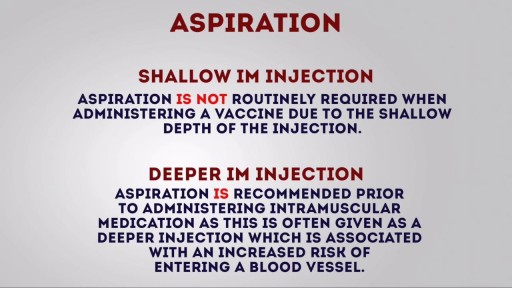
Intramuscular (IM) injection Tutorial for Nurses Video
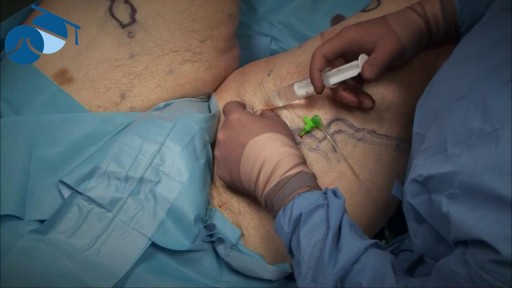
Local anaesthetic injection prior to tumescence ready for varicose vein surgery
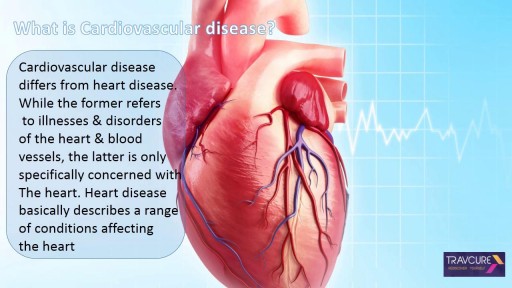
Cardiovascular surgery basically treats a number of diseases and medical disorders that affect your heart and the network of arteries and veins connecting it to every part of the body. https://goo.gl/iphEi9
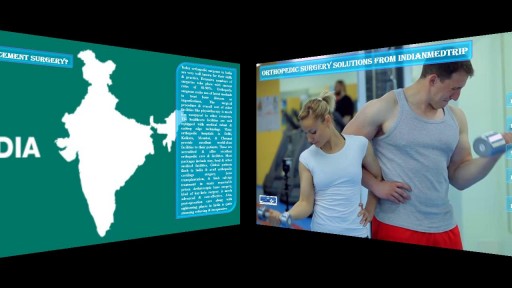
Joint Replacement Surgery is part of Orthopedics hence surgical as well as non-surgical techniques are carried out by orthopedic surgeons. The burden of pain can be reduced with the help of minimally invasive orthopedic therapies prescribed by doctors. https://goo.gl/VhzaUr
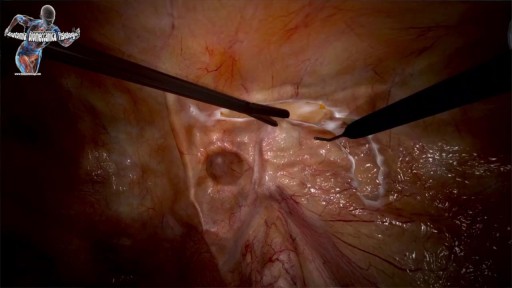
The future of Medicine - Il futuro della medicina - Die Zukunft der Medizin: High Tech, Robots, VR ⚡️Anatomia Biomeccanica Fisiologia by Ticinosthetics: tutto gira attorno alla palestra ©️2017 - www.ticinostheticsgs.com
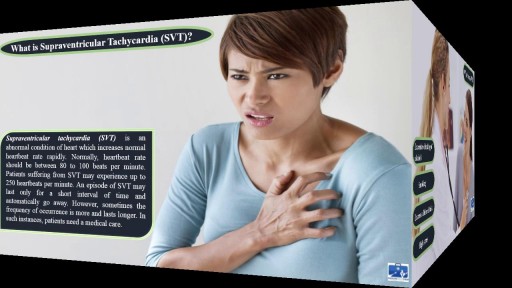
Supraventricular tachycardia (SVT) is an abnormal condition of heart which increases normal heartbeat rate rapidly. Normally, heartbeat rate should be between 80 to 100 beats per minute. For more info: https://goo.gl/14btbU
