
Top video's
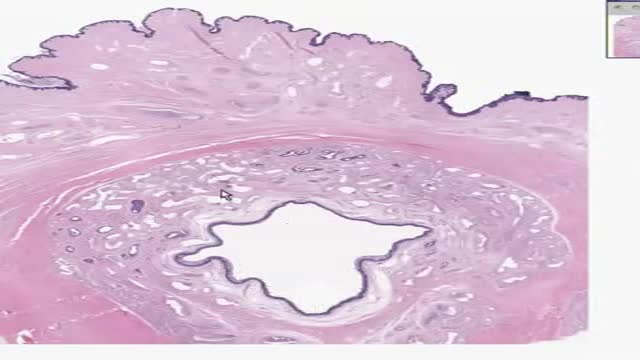

Histology of Male Urethra
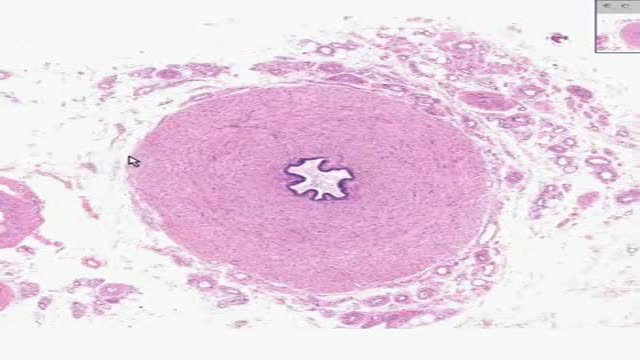
Histology of Vas Deferens
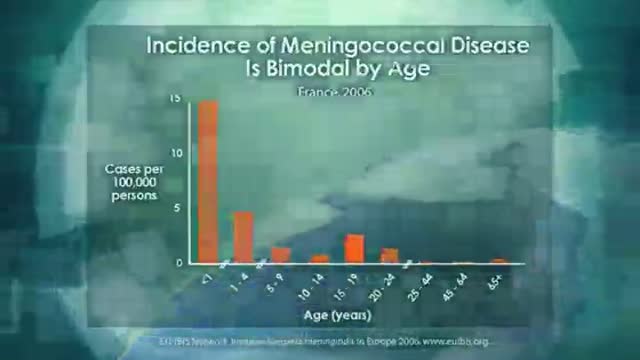
Meningeococcal Bacterial Maningitis Introduction
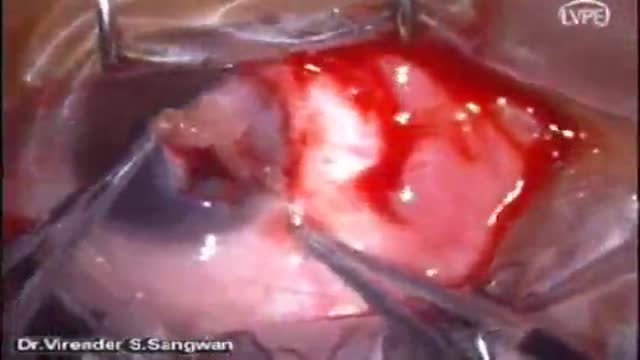
Pterygium Excision with Auto Conjunctival Graft
FIRST INJECTION FOR A NURSING STUDENT
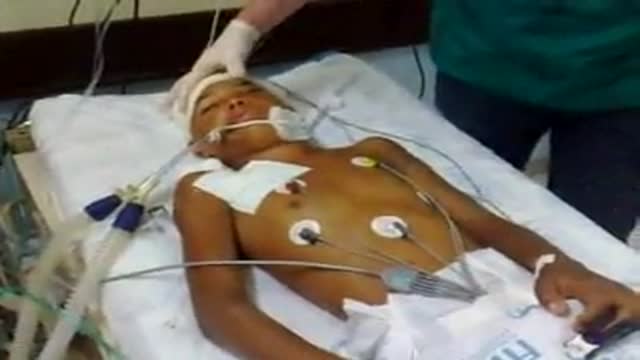
Male 19 y. age victim of penetrating brain injury. All the criteria for the encephalic death diagnosis were present. The presence of this complex spinal reflex doesn't exclude the brain death diagnosis and must be known and understood by the professionals involved in this very important diagnosis
Bilateral Laparoscopic Pyeloplasty in Children
Complete Eye Exam Importance 3D Animation
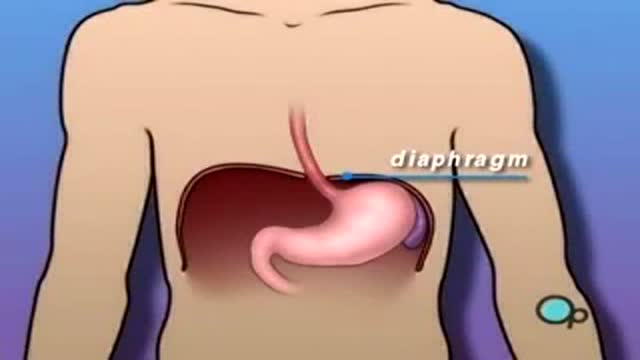
Hiatal Hernia 3D Medical Animation
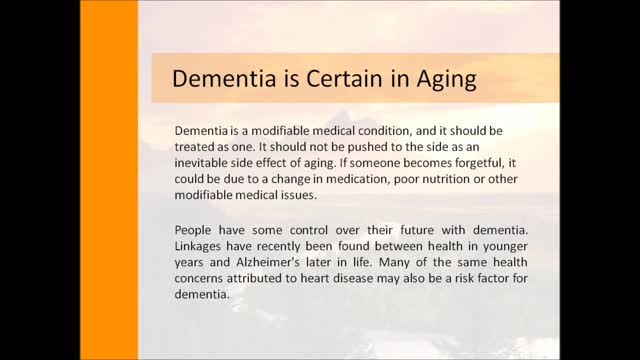
Like in any other sector of health, aging come with its myths. These myths can be hurtful to senior citizens and their caretakers if mistaken for truths. Here are some common myths about aging that caregivers should be aware of.
http://www.homecareassistancechandler.com/
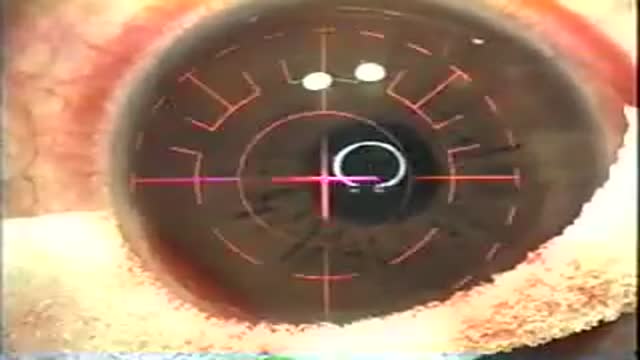
LASIK, which stands for laser in-situ keratomileusis, is a popular surgery used to correct vision in people who are nearsighted, farsighted, or have astigmatism. All laser vision correction surgeries work by reshaping the cornea, the clear front part of the eye, so that light traveling through it is properly focused onto the retina located in the back of the eye. LASIK is one of a number of different surgical techniques used to reshape the cornea.
Fifth disease is a mild rash illness caused by parvovirus B19. This disease, also called erythema infectiosum, got its name because it was fifth in a list of historical classifications of common skin rash illnesses in children. It is more common in children than adults. A person usually gets sick with fifth disease within 4 to 14 days after getting infected with parvovirus B19.
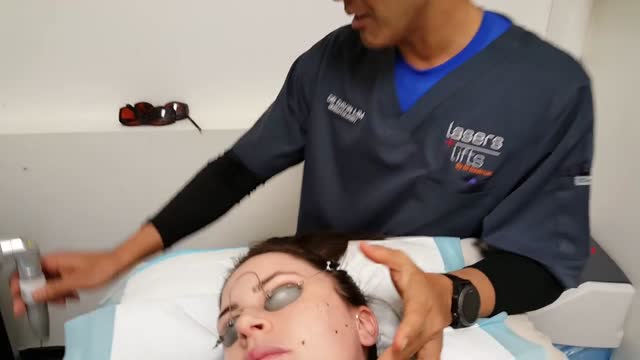
What is a mole? Many people refer to a mole as any dark spot or irregularity in the skin. Doctors use different terms. But the following types of skin marks such as these are not treated the same way moles are and are not discussed here: Birthmarks Abnormal formations of blood vessels (hemangiomas) Keratoses (benign or precancerous spots, which appear after about age 30 years)
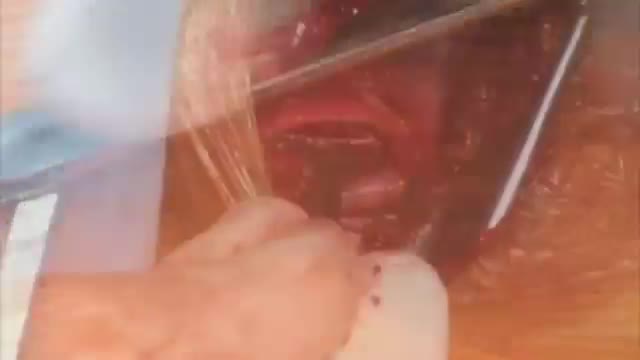
Thoracic outlet syndrome is a group of disorders that occur when blood vessels or nerves in the space between your collarbone and your first rib (thoracic outlet) are compressed. This can cause pain in your shoulders and neck and numbness in your fingers. Common causes of thoracic outlet syndrome include physical trauma from a car accident, repetitive injuries from job- or sports-related activities, certain anatomical defects (such as having an extra rib), and pregnancy. Sometimes doctors can't determine the cause of thoracic outlet syndrome. Treatment for thoracic outlet syndrome usually involves physical therapy and pain relief measures. Most people improve with these approaches. In some cases, however, your doctor may recommend surgery.

IV Dose Calculations
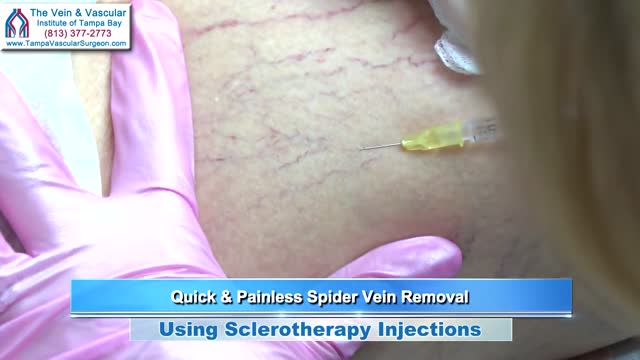
Sclerotherapy is a medical procedure used to eliminate varicose veins and spider veins. Sclerotherapy involves an injection of a solution (generally a salt solution) directly into the vein. The solution irritates the lining of the blood vessel, causing it to collapse and stick together and the blood to clot.

This video: Polycystic ovary syndrome (PCOS) is a common endocrine disorder among women of reproductive age. Women with PCOS may have enlarged ovaries that contain small collections of fluid — called follicles — located in each ovary as seen during an ultrasound exam. Infrequent or prolonged menstrual periods, excess hair growth, acne, and obesity can all occur in women with polycystic ovary syndrome. In adolescents, infrequent or absent menstruation may raise suspicion for the condition. The exact cause of polycystic ovary syndrome is unknown. Early diagnosis and treatment along with weight loss may reduce the risk of long-term complications, such as type 2 diabetes and heart disease.

Keep tabs on your blood pressure. If it's too high, your risk of a heart attack and heart disease goes up. Stress management, a healthy diet, and regular exercise can help you manage your blood pressure. Your doctor may also prescribe medications to lower your levels.
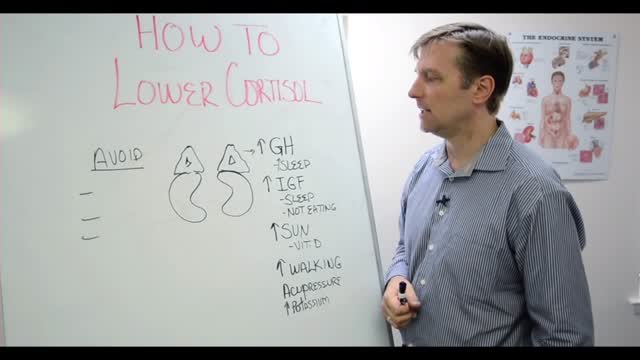
Assuming you haven't been diagnosed with Cushing's disease by your doctor, here are steps you can take to help lower high cortisol levels naturally: Switch to a Whole Foods, Anti-inflammatory Diet. Reduce and Manage Stress. Exercise Regularly. Use Adaptogen Herbs and Superfoods. Try Essential Oils to Promote Relaxation.
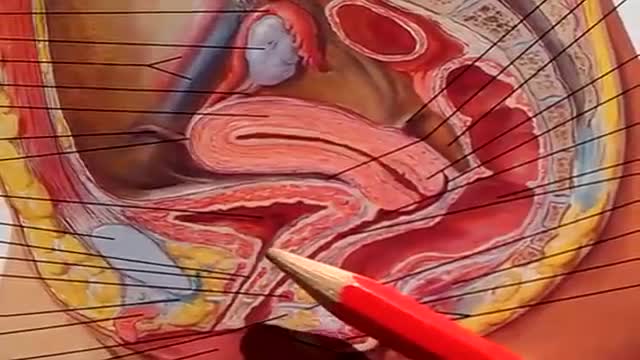
The urinary bladder is a hollow muscular organ that collects urine from the kidneys before disposal by urination. A hollow muscular, and distensible (or elastic) organ, the bladder sits on the pelvic floor. Urine enters the bladder via the ureters and exits via the urethra.
