Top videos

SEX DURING PREGNANCY & 7 Tips For A Healthy Pregnancy
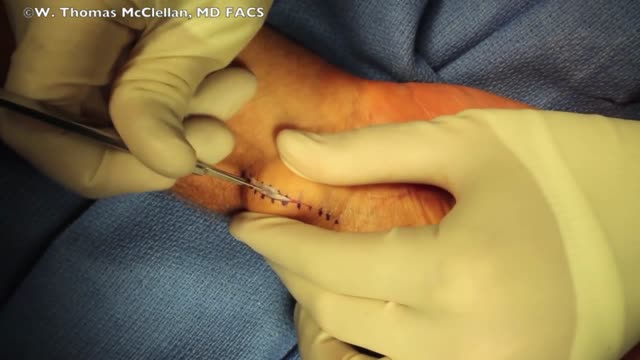
Ganglion Cyst Surgical Removal
The Nurse Job is very hard
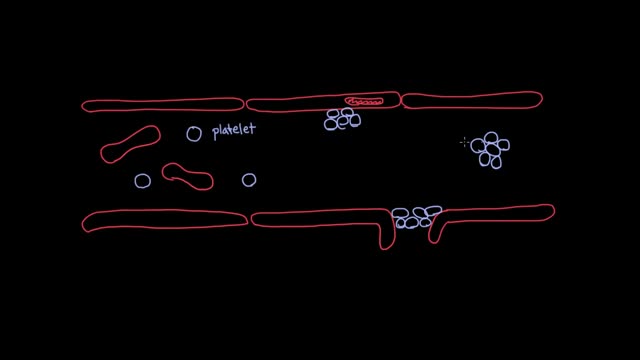
How do we make blood clots?
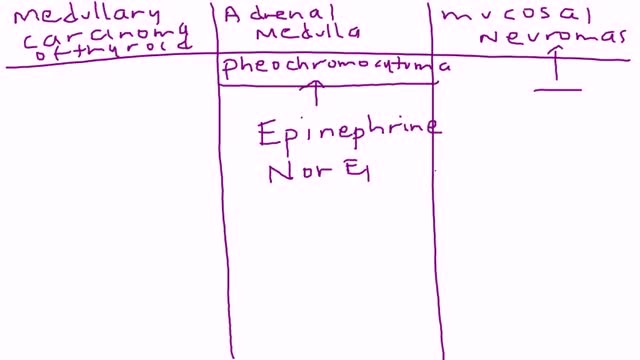
Multiple endocrine neoplasia type 2 (MEN2) is a hereditary condition associated with three primary types of tumors: medullary thyroid cancer, parathyroid tumors, and pheochromocytoma. MEN2 is classified into three subtypes based on clinical features. MEN2A, which affects 60% to 90% of MEN2 families Medullary thyroid cancer: 98% to 100% with MEN2A are affected Pheochromocytoma, a typically benign (noncancerous) tumor of the adrenal glands: 50% with MEN2A affected Parathyroid adenoma (benign tumor) or hyperplasia, meaning increased size, of the parathyroid gland: 5% to 10% with MEN2A affected MEN2B, which affects 5% of MEN2 families Medullary thyroid cancer: 98% to 100% with MEN2B affected Pheochromocytoma: 50% with MEN2B affected Mucosal neuromas, which is a benign tumor of nerve tissue on the tongue, lips and throughout the gastrointestinal tract: 95% to 98% affected Digestive problems caused by disordered nerves in the gastrointestinal tract: 75% to 90% affected Muscle, joint, and spinal problems: 95% affected Typical facial features, including swollen lips and thick eyelids: 75% to 90% affected Familial medullary thyroid cancer (FMTC), which affects 5% to 35% of MEN2 families Medullary thyroid carcinoma only Sources: Gagel RF, Marx SJ. “Multiple endocrine neoplasia.” Williams Textbook of Endocrinology, Chapter 40, 11th ed., Philadelphia, 2008, and Eng C, Clayton D, et al. Grubbs EG, Gagel RF. My, How Things Have Changed in Multiple Endocrine Neoplasia Type 2A! J Clin Endocrinol Metab 100(7):2532-5, 7/2015. PMID: 26151398. What causes MEN2? MEN2 is a genetic condition. This means that the cancer risk and other features of MEN2 can be passed from generation to generation in a family. The gene associated with MEN2 is called RET. A mutation (alteration) in the RET gene gives a person an increased risk of developing medullary thyroid cancer and other tumors associated with MEN2.
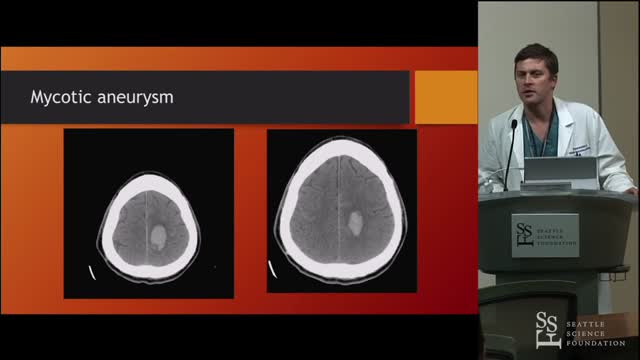
The headache, lethargy, and neck stiffness suggest subarachnoid hemorrhage secondary to rupture of a mycotic aneurysm. Mycotic or infected arterial aneurysms can develop due to metastatic infection from IE, with septic embolization and localized vessel wall destruction in the cerebral (or systemic) circulation. Intracerebral mycotic aneurysms can present as an expanding mass with focal neurologic findings or may not be apparent until aneurysm rupture with stroke or subarachnoid hemorrhage. The diagnosis of mycotic cerebral aneurysm can usually be confirmed with computed tomography angiography. Management includes broad-spectrum antibiotics (tailored to blood culture results) and surgical intervention (open or endovascular).
Watch out which infections could affect your baby or tend to be worse for you during pregnancy period and how to reduce your risk of getting them.
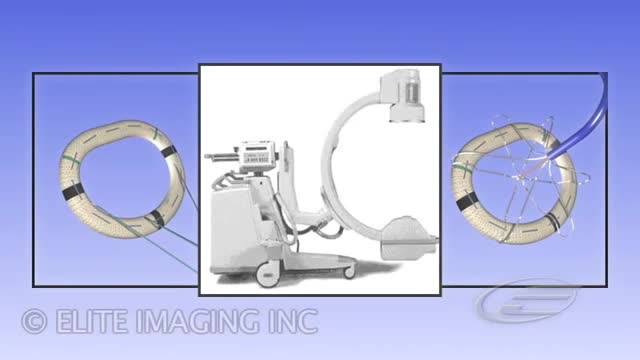
Ring System is used to correct mitral regurgitation via implantation of an annuloplasty ring
today we talk about Amniotic fluid during your pregnancy! Looking forward to your comments.

Dealing with Anxiety and Panic Attacks
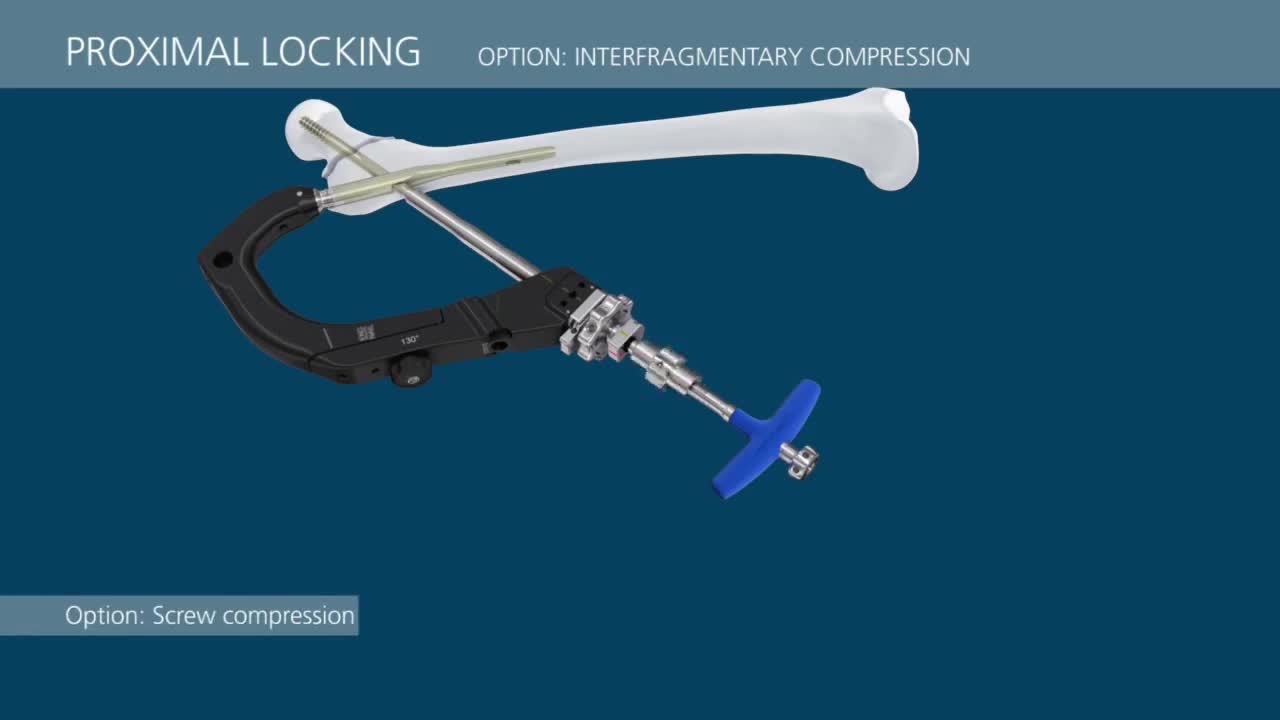
This video demonstrates a step-by-step technique for using the TFN-Advanced™ Proximal Femoral Nailing System (TFNA).
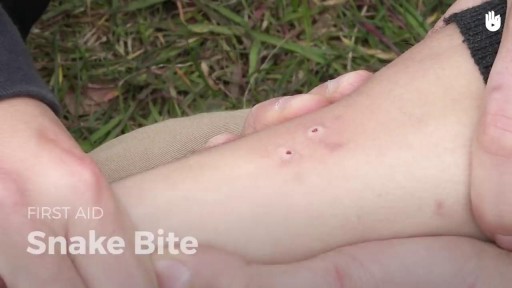
Move the person beyond striking distance of the snake. Have the person lie down with wound below the heart. Keep the person calm and at rest, remaining as still as possible to keep venom from spreading. Cover the wound with loose, sterile bandage
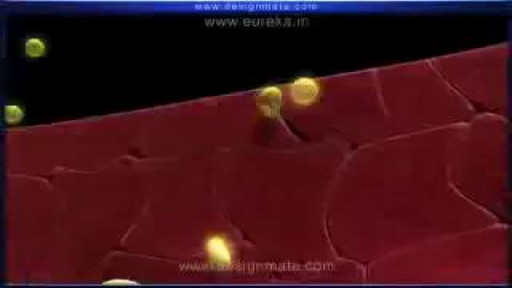
Atherosclerosis is a narrowing of the arteries caused by a buildup of plaque. It’s also called arteriosclerosis or hardening of the arteries. Arteries are the blood vessels that carry oxygen and nutrients from your heart to the rest of your body. As you get older, fat and cholesterol can collect in your arteries and form plaque. The buildup of plaque makes it difficult for blood to flow through your arteries. This buildup may occur in any artery in your body and can result in a shortage of blood and oxygen in various tissues of your body. Pieces of plaque can also break off, causing a blood clot. Atherosclerosis can lead to heart attack, stroke, or heart failure if left untreated.

Whether the result of an accident or biting on a piece of food that’s too hard, mouth injuries can cause teeth to become cracked, broken, or knocked out/dislodged. It is important to see a dentist because if left untreated, a dental emergency can lead to serious complications.
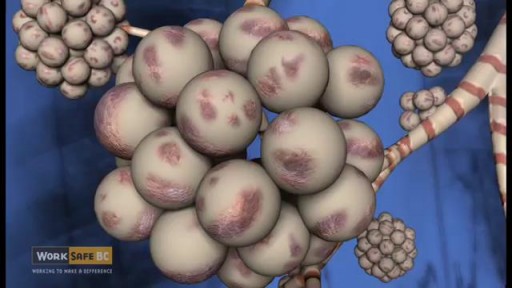
Asbestosis is linked to chrysotile fibers. Chrysotile is one of the six known types of asbestos. Exposure occurs when someone breathes in the dangerous fibers. Extended exposure can lead to an accumulation of the fibers in lung tissues, setting the stage for long-term fibrosis (scarring). Over time, lung tissues thicken, causing pain and restricting breathing. Symptoms include labored breathing during routine tasks and exercise, chest pain and coughing. Doctors prescribe breathing treatments, prescription medication and sometimes surgery for people with asbestosis.
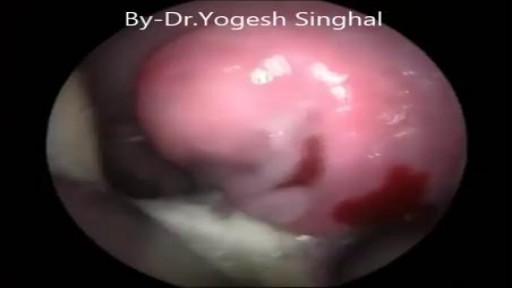
A peritonsillar abscess forms in the tissues of the throat next to one of the tonsils. An abscess is a collection of pus that forms near an area of infected skin or other soft tissue. The abscess can cause pain, swelling, and, if severe, blockage of the throat. If the throat is blocked, swallowing, speaking, and even breathing become difficult. When an infection of the tonsils (known as tonsillitis) spreads and causes infection in the soft tissues, a peritonsillar abscess may result. Peritonsillar abscesses are generally uncommon. When they do occur they are more likely among young adults, adolescents, and older children.
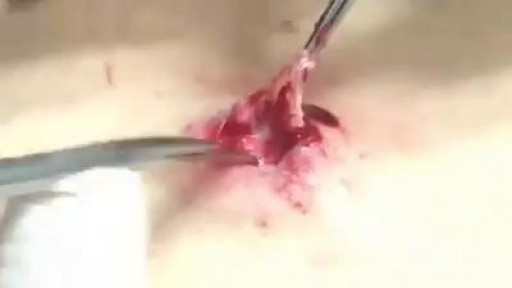
What is inside A Cyst? Watch it now
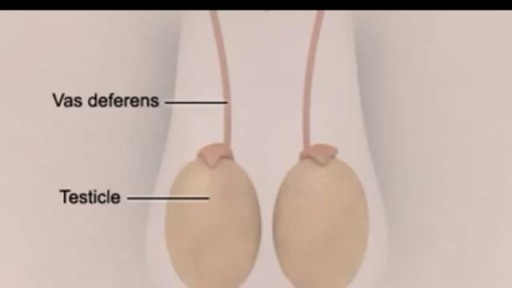
A vasectomy is a simple surgery done by a doctor in an office, hospital, or clinic. The small tubes in your scrotum that carry sperm are cut or blocked off, so sperm can’t leave your body and cause pregnancy. The procedure is very quick, and you can go home the same day. And it’s extremely effective at preventing pregnancy — almost 100%
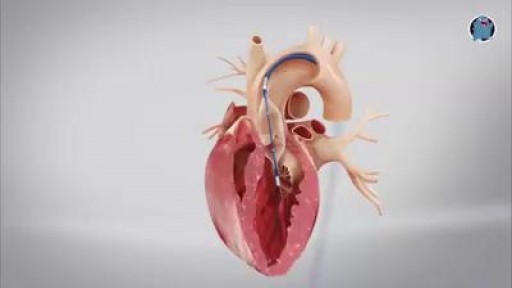
This minimally invasive surgical procedure repairs the valve without removing the old, damaged valve. Instead, it wedges a replacement valve into the aortic valve’s place. The surgery may be called a transcatheter aortic valve replacement (TAVR) or transcatheter aortic valve implantation (TAVI). Valve-within-valve — How does it work? Somewhat similar to a stent placed in an artery, the TAVR approach delivers a fully collapsible replacement valve to the valve site through a catheter. Once the new valve is expanded, it pushes the old valve leaflets out of the way and the tissue in the replacement valve takes over the job of regulating blood flow.
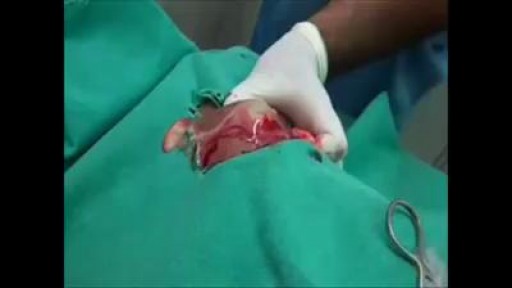
Different types of Abscess- Drainage and Aspiration of Pus.