





Front Tooth Filling

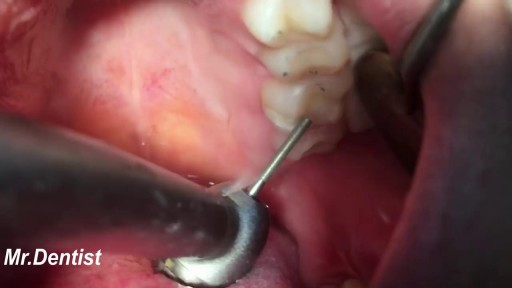
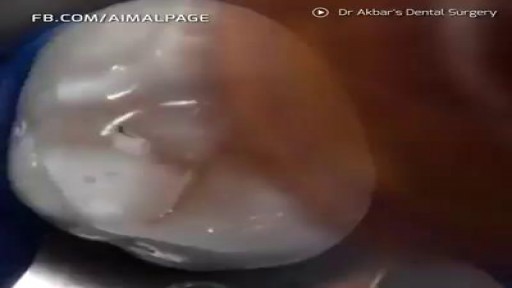
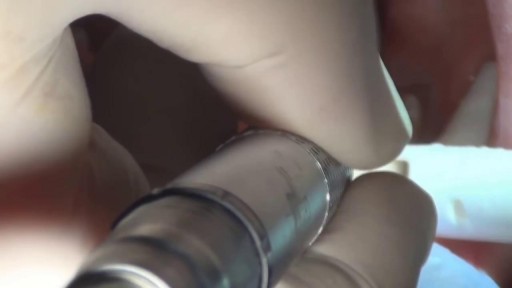
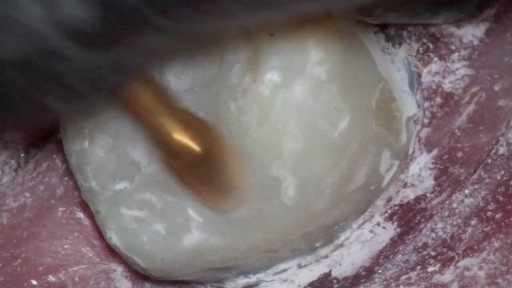
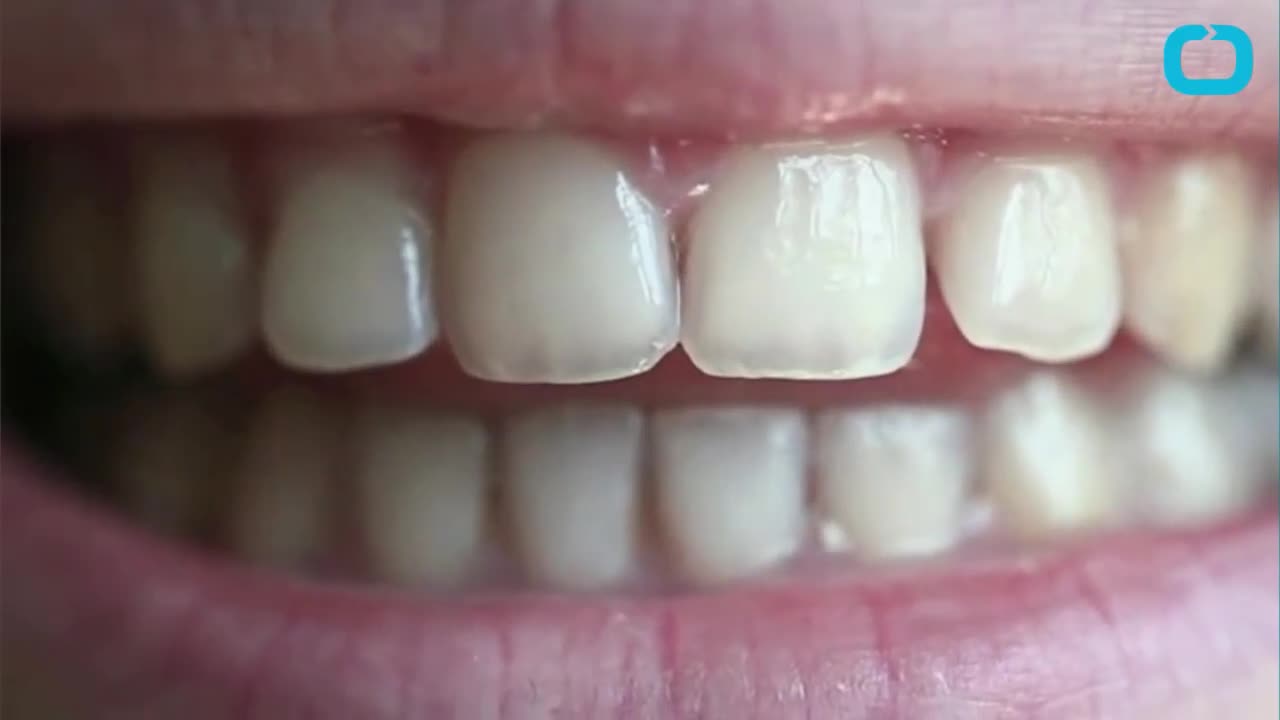
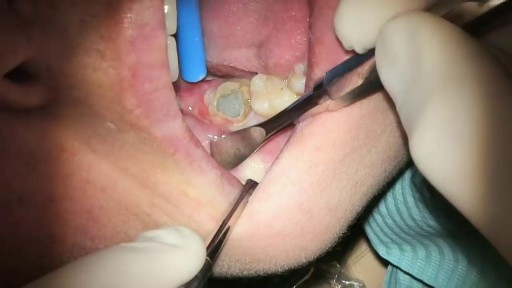
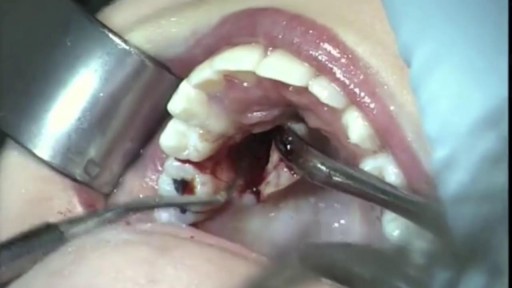
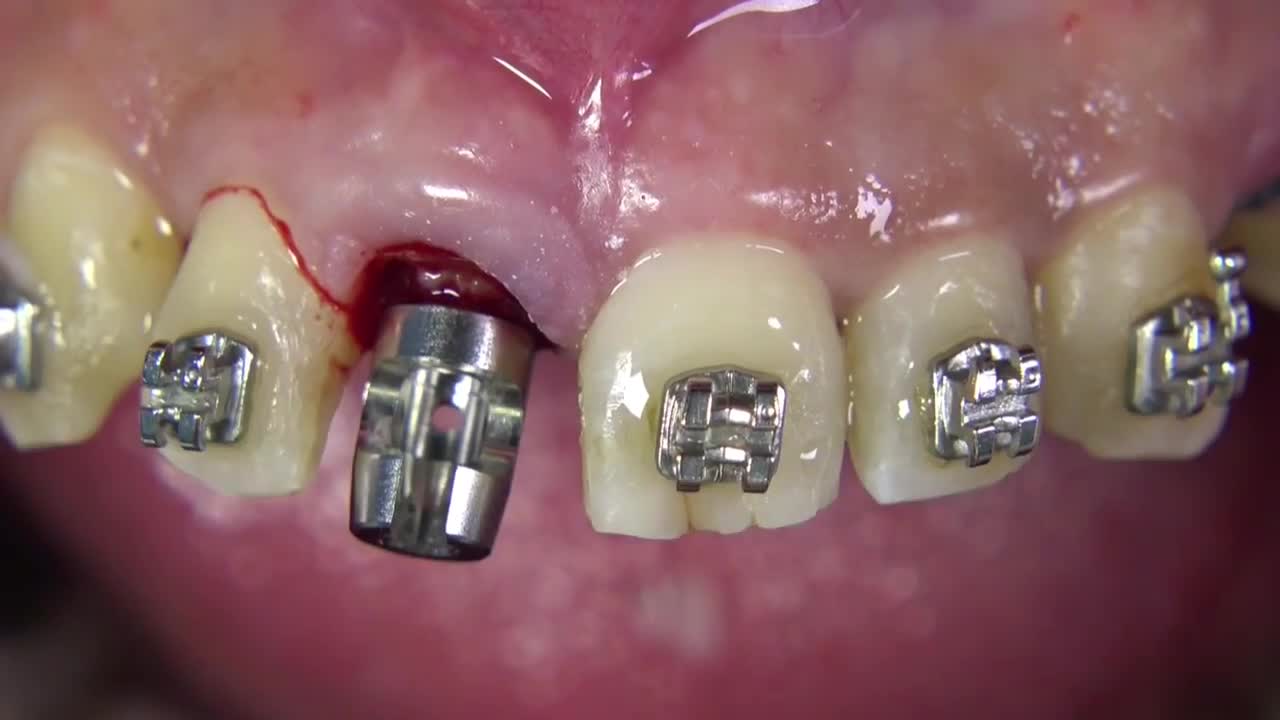
Tooth colored composite fillings are chemically bonded to teeth. For this reason, the placement of white fillings does not always require numbing the area being restored. Numbing (anesthetizing) the area is often required if tooth decay has progressed beneath the enamel layer and into the underlying dentin layer which surrounds the nerve of the tooth. Once decay is removed, the tooth is cleaned and a primer (weak acid) is applied to the area being restored. The primer opens pores in the enamel and dentin. A bonding agent is then flowed into the open pores and cured. Curing prepares the bonding agent to adhere to the tooth colored filling material. The filling material is then placed inside the tooth. After shaping the tooth colored filling material to resemble the natural anatomy of your tooth it is hardened by curing with a strong curing light. Once the white filling hardens, your bite will be checked to make sure your teeth fit together properly. If the tooth filling extends into the space between your teeth your dentist will also make sure you can floss between your teeth properly. Adjustments will be made if necessary followed by smoothing and polishing of your new filling..
Video Overview
This video presents “Front Tooth Filling” — Tooth colored composite fillings are chemically bonded to teeth. For this reason, the placement of white fillings does not always require numbing the area being restored. Numbing (anesthetizing) the area is often required if tooth decay. Whether you are preparing for a procedure, studying the technique, or learning how a condition is assessed, the recording shows the process as it is performed in practice.
From our Dentistry collection: Implants, root canals, extractions, braces and cosmetic dentistry procedures performed step by step by dentists. Browse all Dentistry videos →
Educational content only — not a substitute for professional medical advice.
SORT BY-
Melhores Comentários
-
Últimos Comentários