





Pancreas transplant

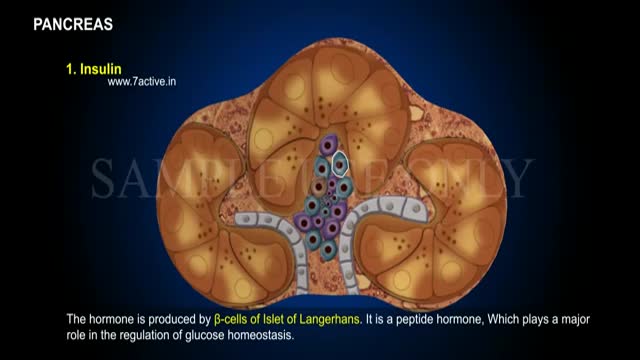
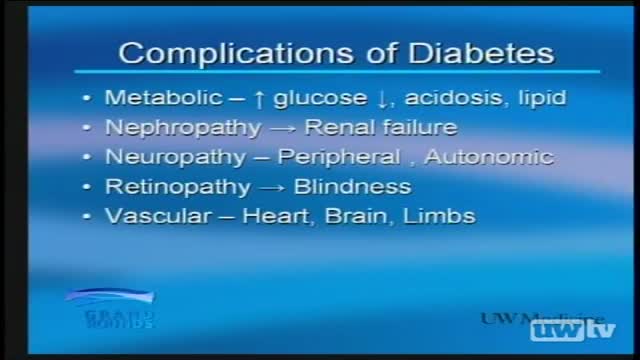
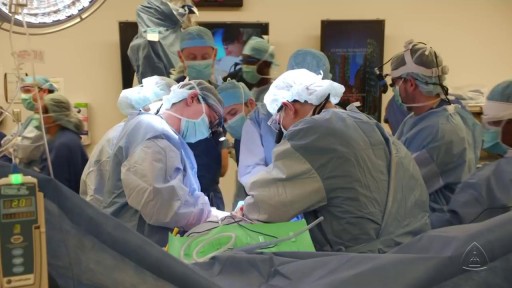
A pancreas transplant is a surgical procedure to place a healthy pancreas from a deceased donor into a person whose pancreas no longer functions properly. Your pancreas is an organ that lies behind the lower part of your stomach. One of its main functions is to make insulin, a hormone that regulates the absorption of sugar (glucose) into your cells. If your pancreas doesn't make enough insulin, blood sugar levels can rise to unhealthy levels, resulting in type 1 diabetes. Most pancreas transplants are done to treat type 1 diabetes. A pancreas transplant offers a potential cure for this condition. But it is typically reserved for those with serious diabetes complications, because the side effects of a pancreas transplant are significant. In some cases, pancreas transplants may also treat type 2 diabetes. Rarely, pancreas transplants may be used in the treatment of pancreatic, bile duct or other cancers. A pancreas transplant is often done in conjunction with a kidney transplant in people whose kidneys have been damaged by diabetes.
This video in 30 seconds
This video explains pancreas transplant, a surgical procedure to place a healthy pancreas from a deceased donor into a person whose pancreas no longer functions properly. It describes the pancreas and its insulin-making function, notes that most pancreas transplants are done to treat type 1 diabetes in people with serious complications, and that the transplant is often done together with a kidney transplant.
Key points
- Defines pancreas transplant using a healthy pancreas from a deceased donor
- Explains the pancreas's role in making insulin to regulate sugar absorption
- Covers type 1 diabetes as the main reason for the procedure
- Notes that it is often performed together with a kidney transplant
Video Overview
This video presents “Pancreas transplant” — A pancreas transplant is a surgical procedure to place a healthy pancreas from a deceased donor into a person whose pancreas no longer functions properly. Your pancreas is an organ that lies behind the lower part of your stomach. One of. Whether you are preparing for a procedure, studying the technique, or learning how a condition is assessed, the recording shows the process as it is performed in practice.
From our Gastroenterology collection: Endoscopy, colonoscopy, liver and digestive disorders — procedures and conditions explained step by step. Browse all Gastroenterology videos →
Educational content only — not a substitute for professional medical advice.
SORT BY-
Toppkommentarer
-
Senaste kommentarerna