
- Physical Examination
- Surgical Examination
- Ophthalmology
- Clinical Skills
- Orthopedics
- Surgery Videos
- Laparoscopy
- Pediatrics
- Funny Videos
- Cardiothoracic Surgery
- Nursing Videos
- Plastic Surgery
- Otorhinolaryngology
- Histology and Histopathology
- Neurosurgery
- Dermatology
- Pediatric Surgery
- Urology
- Dentistry
- Oncology and Cancers
- Anatomy Videos
- Health and Fitness
- Radiology
- Anaesthesia
- Physical Therapy
- Pharmacology
- Interventional Radiology
- Cardiology
- Endocrinology
- Gynecology
- Emergency Medicine
- Psychiatry and Psychology
- Childbirth Videos
- General Medical Videos
- Nephrology
- Physiology
- Diet and Food Health
- Diabetes Mellitus
- Neurology
- Women Health
- Osteoporosis
- Gastroenterology
- Pulmonology
- Hematology
- Rheumatology
- Toxicology
- Nuclear Medicine
- Infectious Diseases
- Vascular Disease
- Reproductive Health
- Burns and Wound Healing
- Kidney Zone Podcast
- Other
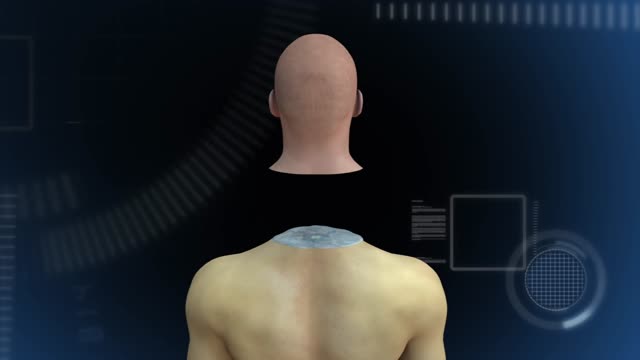
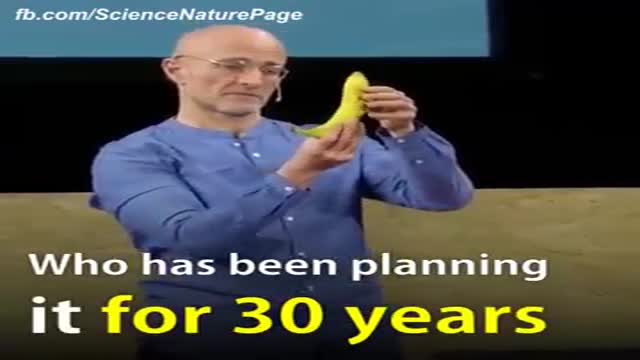
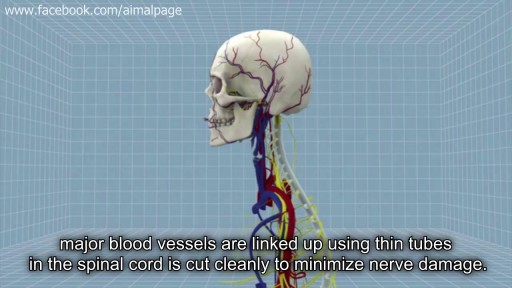

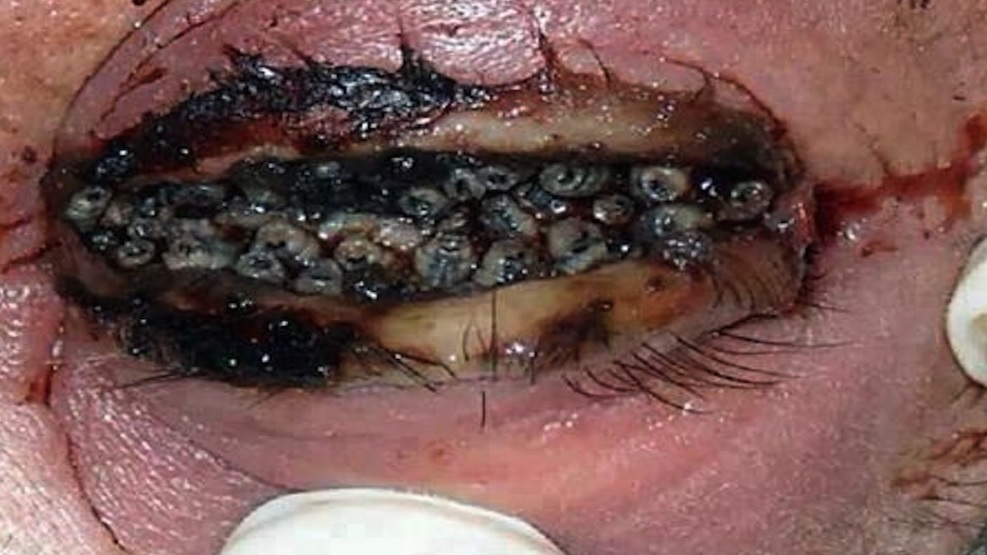


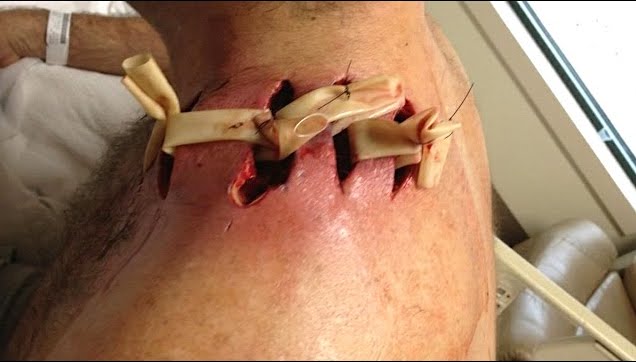

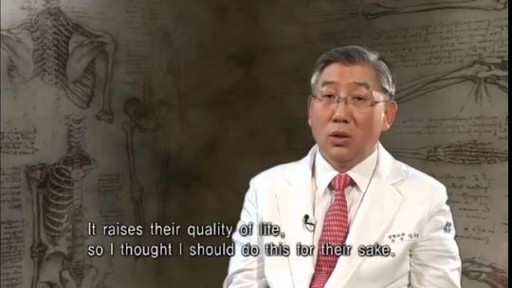
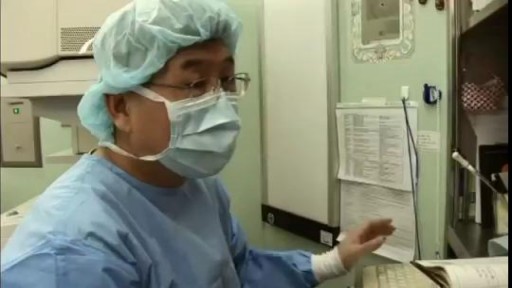


World's First Head Transplant:

Educational only: videos on MedicalVideos.com are for general information and are not medical advice. Always consult your own doctor about your health.
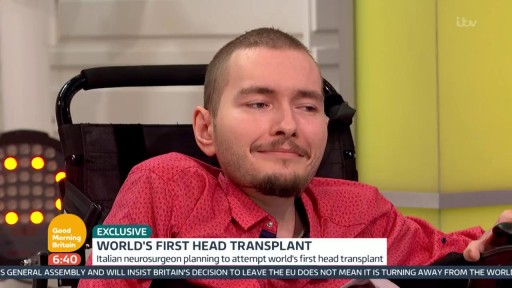
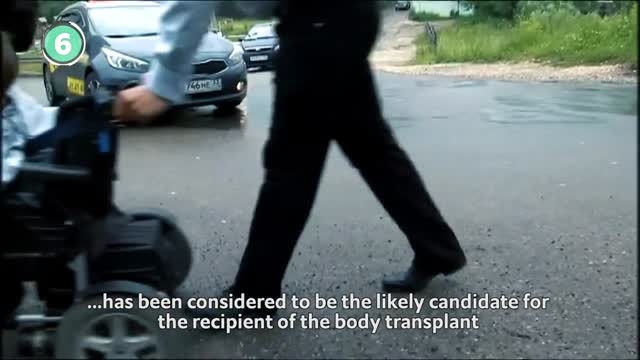
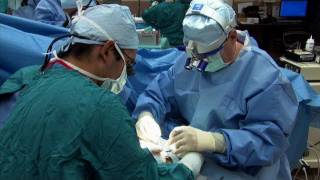
A man set to become the world’s first head transplant patient has scheduled the procedure for December 2017. Valery Spiridonov, 30, was diagnosed with a genetic muscle-wasting condition called Werdnig-Hoffmann disease, and volunteered for the procedure despite the risks involved, Central European News (CEN) reported. “When I realized that I could participate in something really big and important, I had no doubt left in my mind and started to work in this direction,” Spiridonov, a Russian computer scientist, told CEN. “The only thing I feel is the sense of pleasant impatience, like I have been preparing for something important all my life and it is starting to happen.”
This video in 30 seconds
This video is a news report about a man scheduled to become the world's first head transplant patient in December 2017. It identifies the volunteer as a 30-year-old Russian computer scientist diagnosed with a genetic muscle-wasting condition called Werdnig-Hoffmann disease, and includes his comments about volunteering for the procedure despite the risks.
Key points
- Reports on a planned first head transplant procedure
- Identifies the volunteer and his muscle-wasting condition
- Includes the volunteer's comments on participating
Video Overview
This video presents “World's First Head Transplant:” — A man set to become the world’s first head transplant patient has scheduled the procedure for December 2017. Valery Spiridonov, 30, was diagnosed with a genetic muscle-wasting condition called Werdnig-Hoffmann disease, and volunteered. Whether you are preparing for a procedure, studying the technique, or learning how a condition is assessed, the recording shows the process as it is performed in practice.
From our Neurology collection: Stroke, epilepsy, Parkinson's, dementia and nerve disorders — examinations and treatments explained by neurologists. Browse all Neurology videos →
Educational content only — not a substitute for professional medical advice.
SORT BY-
Top Comments
-
Latest comments