





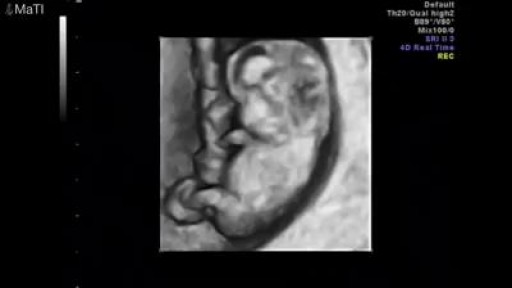






Position of the Baby during Pregnancy

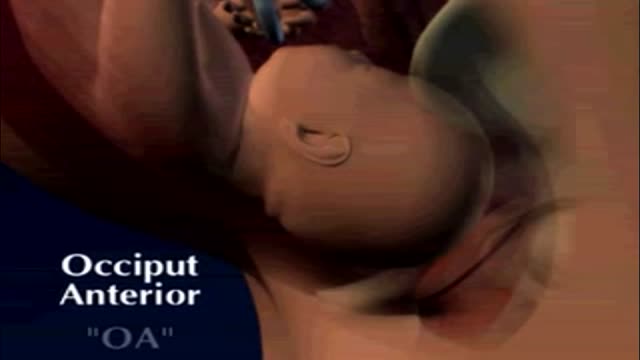
Occiput or cephalic — the baby's head is down, and the baby is facing the mother's abdomen. This position results in back pain and a prolonged labor. Transverse — the baby is lying crosswise in the uterus, side-to-side over the mother's pelvis, in a horizontal position rather than vertical.
Video Transcript
A midwifery training video on finding the baby's position by palpating the mother's abdomen (Leopold's maneuvers). The narration works through feeling the top, sides, and bottom of the uterus, estimating descent in finger-widths above the pelvic brim, and explains which findings — breech, transverse lie, twins, or failure to progress — call for referral.
Read the full transcript
the position of the baby. It's important to check the baby's position early in labor. Is his head down? Which way is he facing? Is he making progress moving down through the pelvis? This information can alert you to potential problems and need for referral. This video will show how to feel where the baby is within the uterus. Let the mother know that you would like to check her belly to find out the position of her baby. Be sure she has emptied her bladder. Then ask her to lie on her back.
There are four maneuvers that are done in sequence. First, put both your hands flat on her mother's belly and feel the top of the uterus with the palms and fingers of both hands. Most often, you will feel the baby's bottom here. You will feel soft irregular shapes that don't move easily under gentle pressure from your hands. You may be able to feel his legs nearby. If instead, the baby's head is in the top of the uterus, it will feel hard, round, and movable in relation to the rest of his body.
Now, determine how the baby is lying by placing your hands on the sides of the uterus. Apply gentle pressure with one hand while holding the other hand firm to steady the uterus. Alternate the pressure between your two hands. On one side, you will usually be able to feel a long, smooth, continuous shape which is the baby's back. On the other side, you'll feel small irregular lumps which are the baby's arms and legs. The baby is facing inwards toward the mother's back, the easiest position to birth. Next, determine which part of the baby will be born first.
Place your hands on the lower part of her abdomen with your fingers gently pressing inwards just above the pubic bone. You may feel a hard, round head there. If the part feels softer and irregular, it is likely the baby's bottom or feet, a breech presentation. Here's another way to determine the presenting part. Gently grasp the area just above the mother's pubic bone but do not cause the mother pain. Again, the head will feel hard and round. A breech will feel softer and irregular. To estimate how low the head has descended
within the pelvis, which is called the station, measure the number of fingers from the pubic bone to the base of the baby's head. A head that is not engaged will feel mobile and fit five fingers above the pelvic brim. As the head descends, the portion of the head remaining above the brim will fit fewer fingers. The head is engaged when there are two fingers or less. Some positions can lead to especially long, difficult labours and higher risk deliveries. A baby with her head down, facing the mother's side or back,
is the most common and favourable position for birth. A baby with her head down facing the front of the mother is in a more difficult position that can make labour longer. In these babies, you can feel small irregular parts across the mother's belly. Usually, the baby will turn during labour, but rarely, she can't birth face up. A breech presentation with bottom or feet first may be a more difficult delivery and the risk of complications is higher. Rarely, the baby will be lying across the uterus. This position is called a transverse lie.
The top of the uterus will feel empty and you feel the hard round shape of the baby's head at one side of the belly. The baby won't survive a normal delivery unless she can be turned. Women carrying twins often have unusually large bellies. You may feel too many small parts of the baby and you might feel one head or two. Often, one baby is in a difficult position for birth. Fundal height may suggest the possibility of twins or a small baby. Stretch the tape measure from the top of the pubic bone
to the top of the uterus. A twin pregnancy may measure more than 40 centimetres. A fundal height less than 30 may indicate a baby that will be born too soon or too small. Transfer mothers who are carrying a breech or twins unless you are skilled at these deliveries. Always refer a transverse lie. Also, transfer a mother who is failing to make progress in labour. Her baby may be too large or in a difficult position. Remember, skillfully assessing where the baby is in the uterus can alert you to potential problems.
In a systematic way, feel the top, the sides and the bottom of the uterus. Estimate the descent of the baby in finger widths above the pelvic brim.
Transcript auto-generated from the video’s audio for accessibility and study. Educational content only — not medical advice.
SORT BY-
Лучшие комментарии
-
Последние комментарии