












Post-Menopausal Bleeding

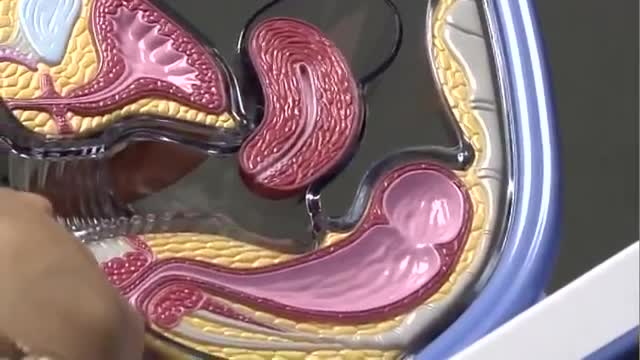
Menopause is the end of menstruation. In clinical terms, you reach menopause when you haven't had a period for 12 months. Vaginal bleeding after menopause isn't normal and should be evaluated by your doctor. For instance, postmenopausal vaginal bleeding can be caused by: Cancer of the uterus, including endometrial cancer and uterine sarcoma Cancer of the cervix or vagina Thinning of the tissues lining the uterus (endometrial atrophy) or vagina (vaginal atrophy) Uterine fibroids Uterine polyps Infection of the uterine lining (endometritis) Medications such as hormone therapy and tamoxifen Pelvic trauma Bleeding from the urinary tract or rectum Excessive overgrowth of the cells that make up the lining of the uterus (endometrial hyperplasia) The cause of your bleeding may be entirely harmless. However, postmenopausal bleeding could result from something serious, so it's important to see your doctor promptly.
Video Overview
This video presents “Post-Menopausal Bleeding” — Menopause is the end of menstruation. In clinical terms, you reach menopause when you haven't had a period for 12 months. Vaginal bleeding after menopause isn't normal and should be evaluated by your doctor. For instance. Whether you are preparing for a procedure, studying the technique, or learning how a condition is assessed, the recording shows the process as it is performed in practice.
From our Gynecology collection: Pelvic exams, Pap smears, IUD insertion, hysteroscopy and women's health procedures explained step by step. Browse all Gynecology videos →
Educational content only — not a substitute for professional medical advice.
SORT BY-
نظرات برتر
-
آخرین نظرات