



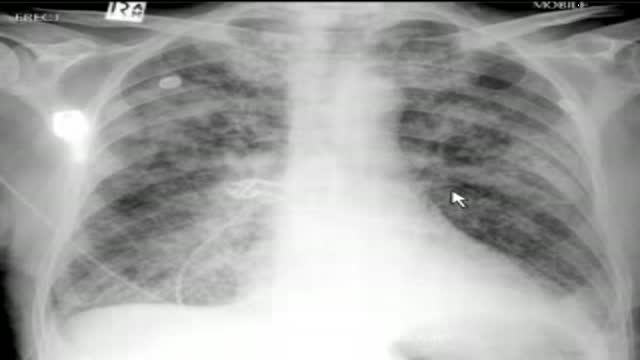

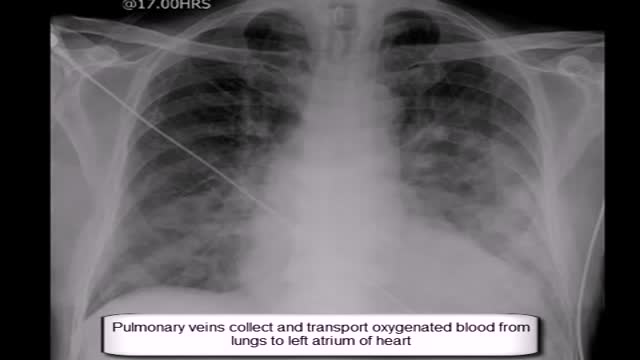
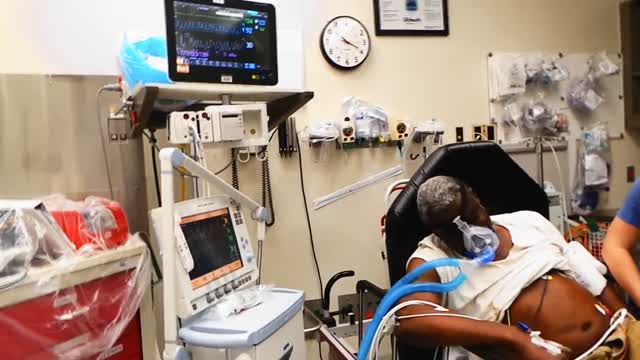
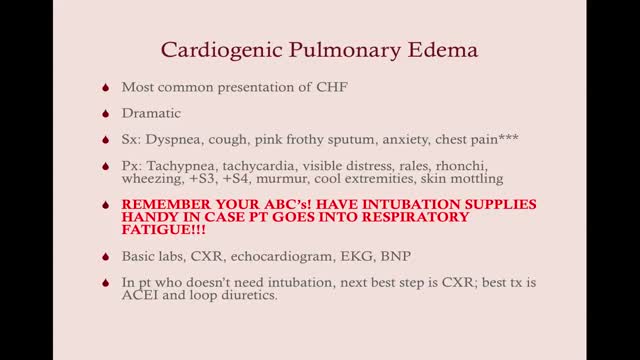
pulmonary embolism! (PE)

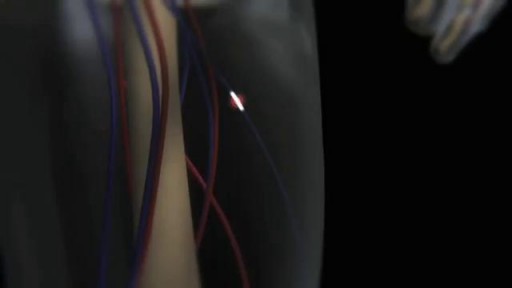
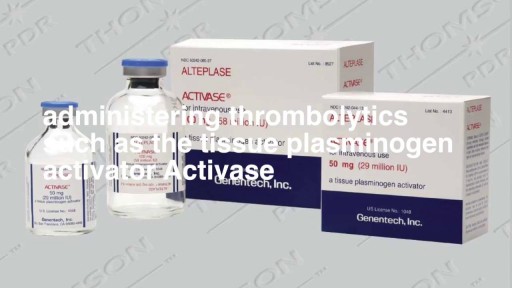
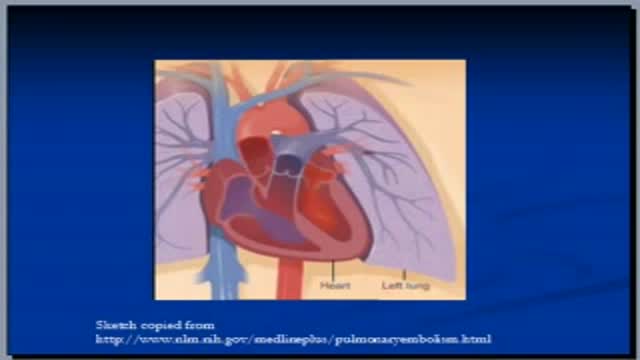
Most times, a pulmonary embolism is caused by blood clots that travel from the legs or, rarely, other parts of the body (deep vein thrombosis, or DVT). Symptoms include shortness of breath, chest pain, and cough. Prompt treatment to break up the clot greatly reduces the risk of death. This can be done with blood thinners and drugs or procedures. Compression stockings and physical activity can help prevent clots from forming in the first place.
Video Overview
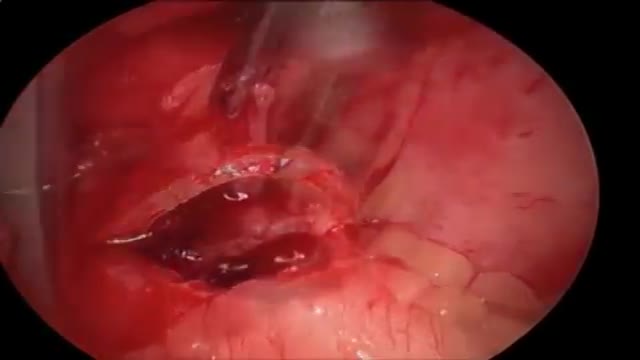
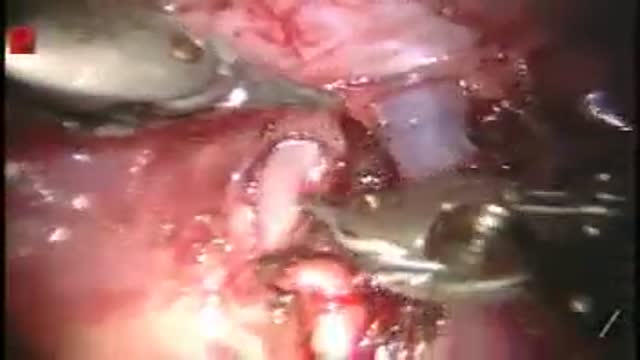
This video presents “pulmonary embolism! (PE)” — Most times, a pulmonary embolism is caused by blood clots that travel from the legs or, rarely, other parts of the body (deep vein thrombosis, or DVT). Symptoms include shortness of breath, chest pain, and cough. Prompt treatment to. Whether you are preparing for a procedure, studying the technique, or learning how a condition is assessed, the recording shows the process as it is performed in practice.
From our Pulmonology collection: Asthma, COPD, lung procedures and breathing disorders explained by lung specialists. Browse all Pulmonology videos →
Educational content only — not a substitute for professional medical advice.
SORT BY-
Najbolji komentari
-
Najnoviji komentari