A hysterectomy is surgery to remove the uterus. The questions patients ask most — why it's suggested, what exactly is removed, the different approaches, and what changes afterwards — answered in plain..
10/23/26 • 44 Görünümler

If your doctor has mentioned a hysterectomy, you've probably left the appointment with more questions than you arrived with. That's completely normal — this is major surgery, and it deserves a clear explanation, not a rushed one. So let's walk through the questions people actually ask, one at a time.
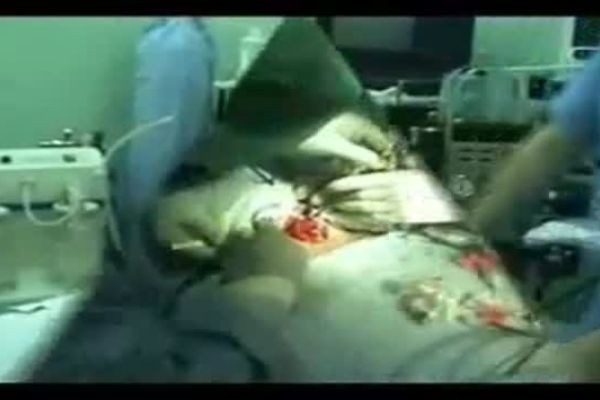
The video at the top of this page is a good place to start. It shows a total abdominal hysterectomy — the open approach, through an incision in the abdomen — in a little under four and a half minutes, and it comes from Dr. Mohamed Ibrahim's own channel here on the site. Watching the real thing first tends to make everything below easier to picture.
What exactly is removed?
A hysterectomy removes the uterus (the womb). In a total hysterectomy, the cervix — the lower part of the uterus — is removed as well; in a partial, or subtotal, hysterectomy it is left in place. The fallopian tubes and ovaries are separate organs with their own names and their own decisions attached, so they are only removed when there's a specific reason, and your surgeon should tell you beforehand exactly what is and isn't planned.
Why might a doctor suggest one?
Usually because something is affecting your quality of life and other treatments haven't solved it. Common reasons include fibroids (non-cancerous growths in the wall of the uterus) that cause heavy bleeding or pressure, endometriosis, a prolapse where the uterus slips down, long-standing pelvic pain, and abnormal bleeding that hasn't responded to other options. Less often, a hysterectomy is part of treating cancer or precancerous changes. It's rarely the first suggestion — it's typically the option discussed when simpler ones have been tried, or clearly won't be enough.
Is the abdomen always opened?
No — the abdominal route shown in the video is one of several. Some hysterectomies are done through the vagina, with no external incision at all; if you'd like to see that approach, the site also carries a vaginal hysterectomy procedure video from the same channel. Others are laparoscopic, using a camera and small incisions, or assisted by a surgical robot. Which route suits you depends on the reason for surgery, the size of the uterus, and your surgeon's judgement — it's a fair question to ask at your appointment, along with why that route is being recommended for you.
What changes afterwards?
Two things are certain: periods stop, and pregnancy is no longer possible. That second point is why this operation is never a casual decision, and why it's worth taking the time you need before consenting. What doesn't automatically change is your hormone balance. If the ovaries are kept, they usually continue releasing hormones as before. If both ovaries are removed before you've reached menopause naturally, menopause begins at that point — our guide to menopause, its stages and symptoms explains what that involves. Recovery itself varies with the approach: expect a hospital stay for abdominal surgery, then a gradual build back to normal over the following weeks, with limits on lifting and strenuous exercise early on. Fever, heavy bleeding, or pain that's getting worse instead of better are reasons to contact your care team promptly.
Frequently Asked Questions
Does a hysterectomy always remove the ovaries?
No. The ovaries and fallopian tubes are separate from the uterus, and they are only removed when there is a specific reason. Ask your surgeon before the operation exactly what is planned in your case.
Will I go into menopause straight after a hysterectomy?
Only if both ovaries are removed before natural menopause. If your ovaries are kept, they generally continue to release hormones, even though your periods stop because the uterus is gone.
Are there alternatives to a hysterectomy?
Often, yes — depending on the reason, there may be medication, hormone treatments, or smaller procedures to discuss first. A hysterectomy is usually considered when those options haven't worked or aren't suitable, so it's reasonable to ask what the alternatives are in your situation.
MedicalVideos.com has published trusted medical videos since 2007. The site was founded by Dr. Mohamed Ibrahim, MD, PhD — physician, researcher, and former Duke faculty.
Educational only — this article is general information about hysterectomy, not medical advice. Whether this surgery is right for you is a decision for you and your own doctor, based on your history and your priorities.
İlgili Makaleler