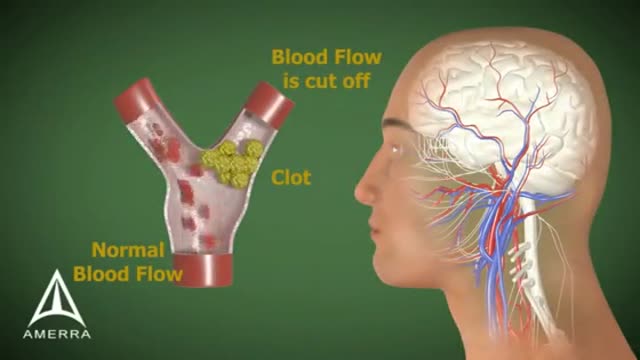
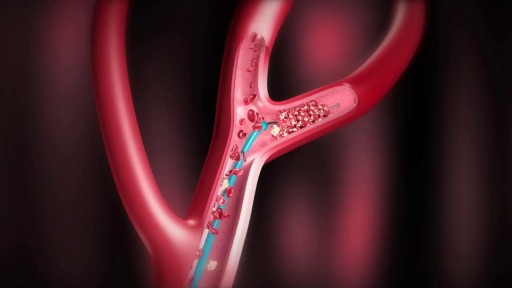
A stroke happens when the blood supply to part of the brain is cut off — usually by a clot (ischemic stroke) or by a burst blood vessel (hemorrhagic stroke). It is a medical emergency: fast treatment limits brain damage. This page collects our clearest stroke videos, the in-hospital guide, and answers on the FAST signs, scans and recovery.
What is the difference between an ischemic and a hemorrhagic stroke?
An ischemic stroke is caused by a blocked artery interrupting blood flow to part of the brain. A hemorrhagic stroke is caused by a blood vessel leaking or bursting. They can look similar from the outside but are treated differently, which is why the hospital scans the brain before deciding on treatment.
What does FAST stand for?
Face, Arms, Speech, Time. Check whether one side of the face has drooped, whether the person can raise both arms, and whether speech is slurred or strange. If any sign is present, it’s time to call emergency services immediately.
Why do hospital staff keep asking when the symptoms started?
Timing helps the team judge which treatments may be appropriate, alongside the scan results and the person’s overall health. If you witnessed the symptoms begin, telling the team the time — or that the person was last well at a certain time — is genuinely useful information.
Can someone recover fully after a stroke?
Recovery varies a great deal depending on where the stroke occurred in the brain and how much damage was done. Some people recover most or all function, especially with rehabilitation, while others have lasting effects. The treating team can give a clearer picture for an individual case over the first days and weeks.
Stroke is a medical emergency. If you suspect a stroke — face drooping, arm weakness, speech difficulty — call your local emergency number immediately; do not wait and do not drive yourself. This page is for general education only.