Type 2 diabetes is a long-term condition where the body’s cells respond less well to insulin, so blood sugar stays higher than it should. It often develops slowly, with no clear symptoms at first. This page gathers our best material in one place: how it affects the body, how it is found, and the checks that protect feet, eyes and kidneys.
What is the main difference between type 1 and type 2 diabetes?
In type 1, the pancreas produces very little insulin because the insulin-making cells have been damaged by the immune system. In type 2, insulin is produced, especially at first, but the body’s cells respond to it less well — a problem called insulin resistance.
Can type 2 diabetes develop slowly without symptoms?
Yes. Blood sugar often rises gradually, so early type 2 diabetes may cause no clear symptoms and is frequently found by blood testing during routine care or another investigation.
Is type 2 diabetes the same as gestational diabetes?
No. Gestational diabetes first appears during pregnancy and usually settles after birth, although follow-up is still important. Type 2 diabetes develops outside pregnancy and tends to be a longer-term condition that needs ongoing follow-up.
Does everyone with type 2 diabetes need insulin injections?
No. Management varies from person to person. Some people are managed with lifestyle measures and monitoring, others are offered tablets, and some are offered insulin — that decision belongs to your own clinician, based on your readings and overall health.
Why are feet, eyes, and kidneys checked when you have diabetes?
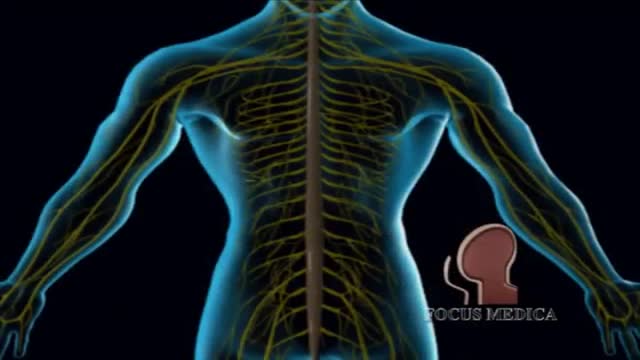
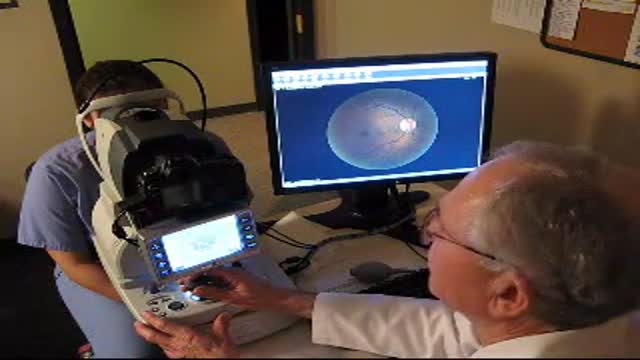
Because blood sugar that stays raised over time can affect small blood vessels and nerves in those areas. Regular checks are how changes are picked up early, when they are easier to address, rather than after symptoms appear.
This page is for general education only and is not medical advice. Diabetes management is individual — discuss your own readings, targets and treatment with your clinician or diabetes team.