
- Procedures & Tests
- Symptoms A-Z
- Symptom Checker
- Kidney Diet
- First Aid
- Anatomy Atlas
- Ask MedicalVideos
- Drug Guide
- Lab Values
- Vital Signs
- Muscles A–Z
- Clinical Signs
- Medical Abbreviations
- Medical Terminology
- Physical Examination
- Surgical Examination
- Ophthalmology
- Clinical Skills
- Orthopedics
- Surgery Videos
- Laparoscopy
- Pediatrics
- Medical Humor
- Cardiothoracic Surgery
- Nursing Videos
- Plastic Surgery
- Otorhinolaryngology
- Histology and Histopathology
- Neurosurgery
- Dermatology
- Pediatric Surgery
- Urology
- Dentistry
- Oncology and Cancers
- Anatomy Videos
- Health and Fitness
- Radiology
- Anaesthesia
- Physical Therapy
- Pharmacology
- Interventional Radiology
- Cardiology
- Endocrinology
- Gynecology
- Emergency Medicine
- Psychiatry and Psychology
- Childbirth Videos
- General Medical Videos
- Nephrology
- Physiology
- Diet and Food Health
- Diabetes Mellitus
- Neurology
- Women Health
- Osteoporosis
- Gastroenterology
- Pulmonology
- Hematology
- Rheumatology
- Toxicology
- Nuclear Medicine
- Infectious Diseases
- Vascular Disease
- Reproductive Health
- Burns and Wound Healing
- Kidney Zone Podcast
- Other

Heart Attack and Stroke
Mohamed. Heart Attack and Stroke [video]. MedicalVideos.com; 2024 Jan 17 [cited 2026 Nov 25]. Available from: https://www.medicalvideos.com/watch/heart-attack-and-stroke_vxelTkgUAkFZ14ZNCwSS.html
Mohamed (2024, January 17). Heart Attack and Stroke [Video]. MedicalVideos.com. https://www.medicalvideos.com/watch/heart-attack-and-stroke_vxelTkgUAkFZ14ZNCwSS.html
Mohamed. “Heart Attack and Stroke.” MedicalVideos.com, 17 Jan. 2024, https://www.medicalvideos.com/watch/heart-attack-and-stroke_vxelTkgUAkFZ14ZNCwSS.html. Accessed 25 Nov. 2026.
@misc{medicalvideos2024_vxelTkgUAkFZ14ZNCwSS,
  author = {Mohamed},
  title = {Heart Attack and Stroke},
  publisher = {MedicalVideos.com},
  year = {2024},
  month = {1},
  url = {https://www.medicalvideos.com/watch/heart-attack-and-stroke_vxelTkgUAkFZ14ZNCwSS.html},
  note = {Video},
  urldate = {2026-11-25}
}Vancouver (NLM) is the manuscript standard for medical journals. RIS imports into EndNote, Zotero and Mendeley.

Educational only: videos on MedicalVideos.com are for general information and are not medical advice. Always consult your own doctor about your health.
Heart attack and stroke are outlined as emergencies in this cardiology video. The narration lists signs including chest pain radiating to the arm, neck, jaw or back, breathlessness and sweating, plus severe headache, facial droop and abnormal speech for stroke. Prompt emergency hospital treatment and initial rest measures are emphasised.
This video in 30 seconds
This video shows how to deal with a heart attack and with a stroke. It presents the emergency response to both events.
Key points
- Shows how to deal with heart attack
- Shows how to deal with stroke
- Presents the emergency demonstration footage
Video Transcript
The narration outlines heart attack and stroke as cardiovascular emergencies that most often affect older adults, describing blockage or reduction of blood supply to the heart or brain. Signs listed include chest pain or pressure radiating to the arm, neck, jaw or back, breathlessness and sweating for heart attack, and severe headache, facial droop and abnormal speech for stroke. Prompt hospital treatment, usually by calling 911, and initial rest measures are emphasised.
Read the full transcript
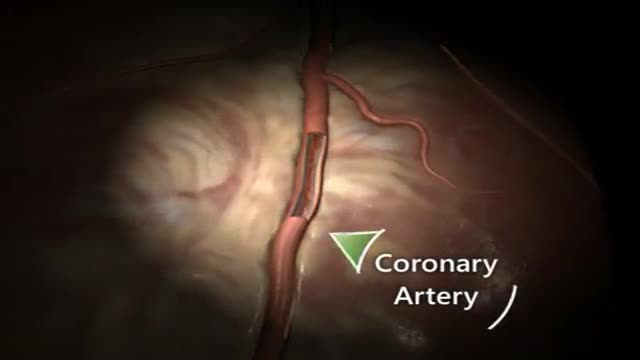
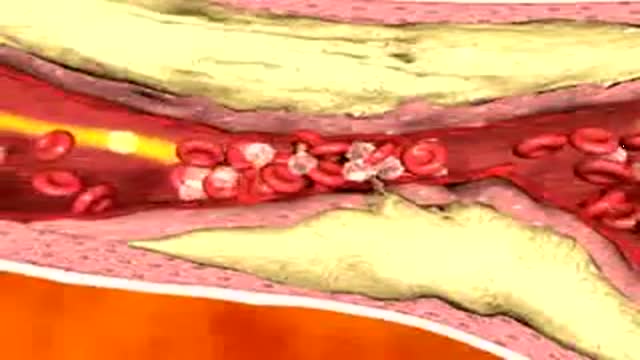
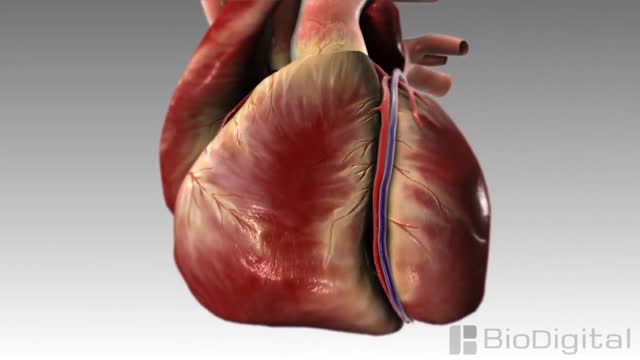
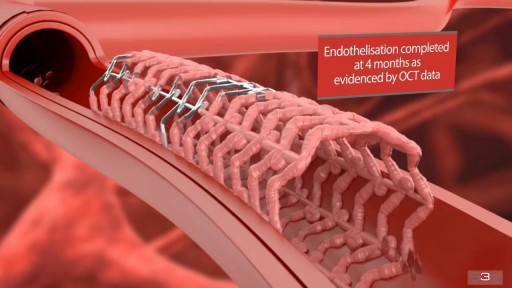
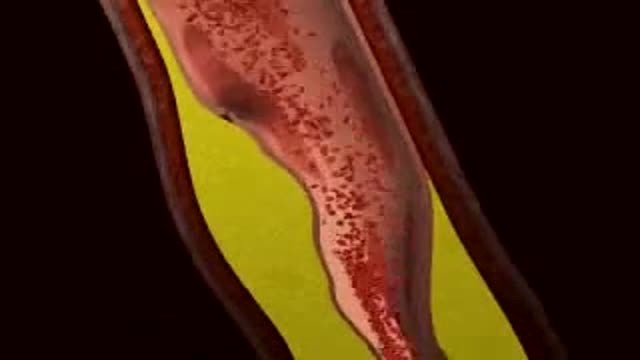
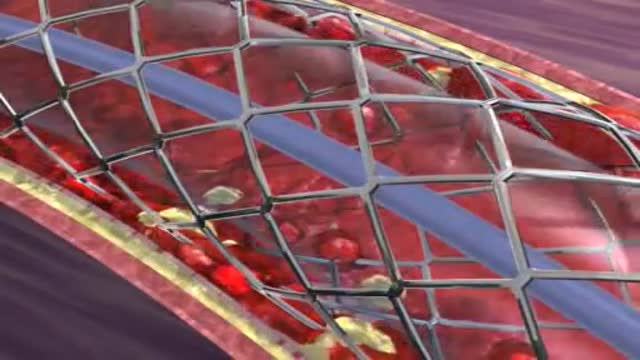
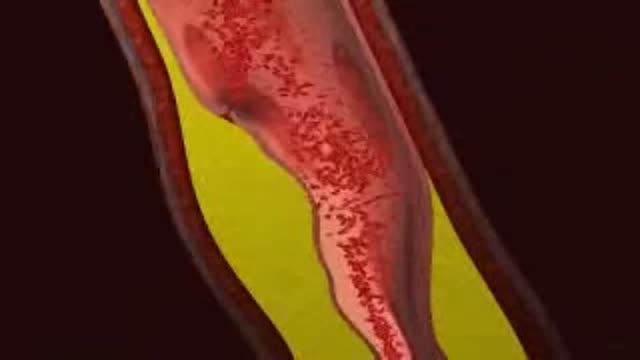
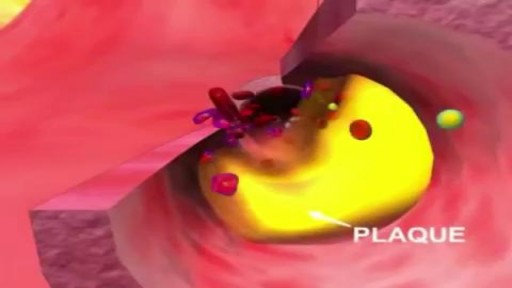
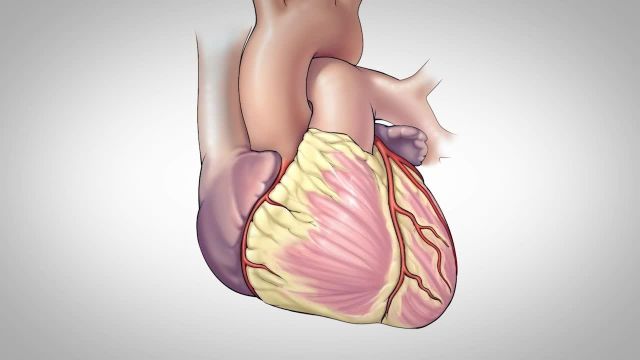
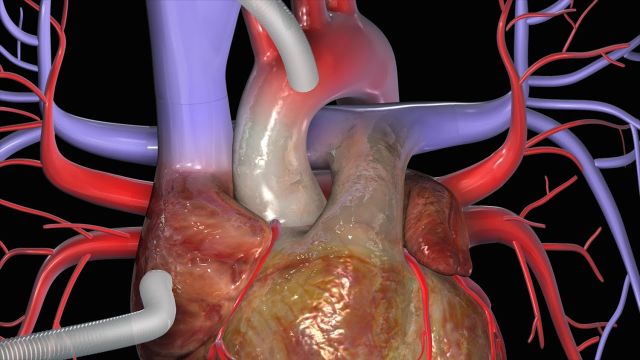
Older adults are the most frequent victims of two cardiovascular emergencies, heart attack and stroke. A heart attack occurs when the blood supplied to part of the heart is severely reduced or stopped. This often occurs when the coronary artery that supply the heart with blood become blocked. Early recognition and treatment of a heart attack provides the victim the best chance for recovery. The signs and symptoms of heart attack include chest pain or pressure which may radiate to the arm, neck, jaw or back. A sudden onset of pain is sometimes the first, last and only symptom that some victims will have.
Shortness of breath, rapid or irregular heartbeat, and nausea, vomiting or sweating. A stroke occurs when there is a disruption of blood supply to the brain, such as when the cerebral arteries that supply blood to the brain are blocked or ruptured. The signs and symptoms of a stroke include sudden onset of a severe headache, loss of consciousness, facial droop and abnormal speech. The most appropriate care for a victim with a possible heart attack or stroke is early treatment at the nearest hospital emergency department that offers emergency cardiovascular care.
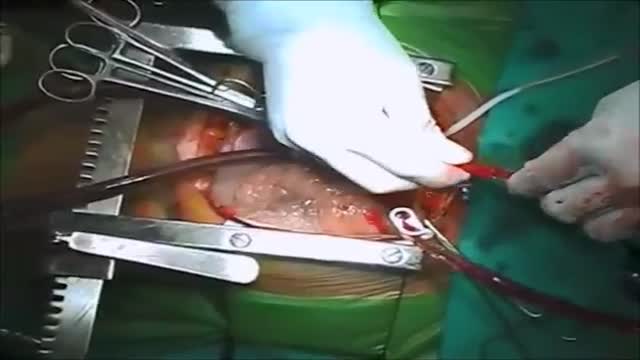
This is often best accomplished by calling 911. Trained dispatchers can provide you with instructions over the phone for initial care before EMS personnel arrive. Additional initial care for a heart attack includes having the victim rest in the most comfortable position, loosen any restrictive clothing, assisting with any prescribed heart medication such as nitroglycerin, providing reassurance and monitoring the ABCs. Additional care for a stroke includes loosen any restrictive clothing, place the victim in the recovery position, provide reassurance, monitor the ABCs.
Transcript auto-generated from the video’s audio for accessibility and study. Educational content only — not medical advice.
Related reading
Save videos for later
Create a free account to build your own watch-later list and playlists, and pick up where you left off on any device.
Medical Videos
Free medical and surgery videos for patients, students and professionals — trusted since 2007.
Founded by Dr. Mohamed Ibrahim, MD, PhD — physician-scientist.
Follow us on Facebook · Instagram
SORT BY-
Top Comments
-
Latest comments