
Najnoviji video zapisi
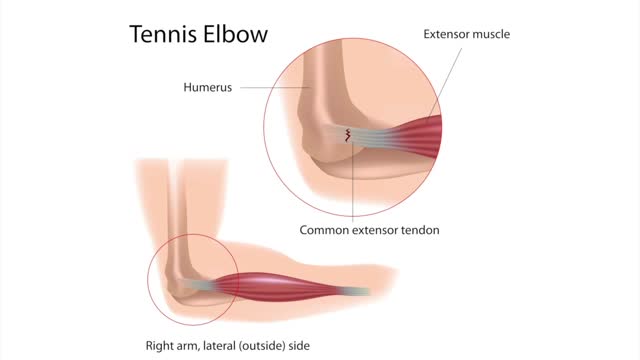

Tennis elbow or lateral epicondylitis is a condition in which the outer part of the elbow becomes sore and tender. The forearm muscles and tendons become damaged from overuse — repeating the same strenuous motions again and again.
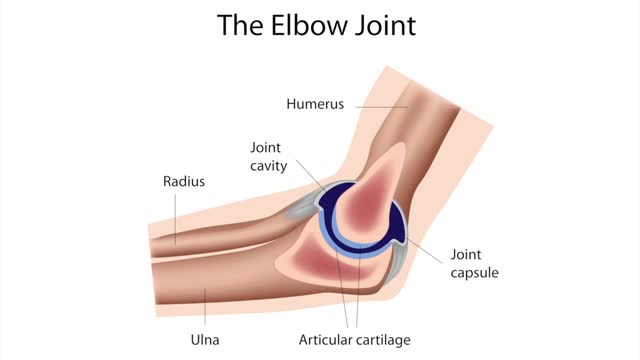
Golfer's elbow causes pain that starts on the inside bump of the elbow, the medial epicondyle. Wrist flexors are the muscles of the forearm that pull the hand forward. The wrist flexors are on the palm side of the forearm. Most of the wrist flexors attach to one main tendon on the medial epicondyle.
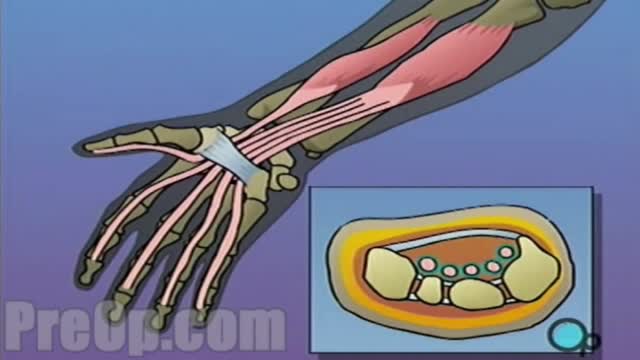
During endoscopic carpal tunnel release surgery , the transverse carpal ligament is cut. This releases pressure on the median nerve, relieving carpal tunnel syndrome symptoms. The small incisions in the palm are closed with stitches. The gap where the ligament was cut will eventually fill with scar tissue.
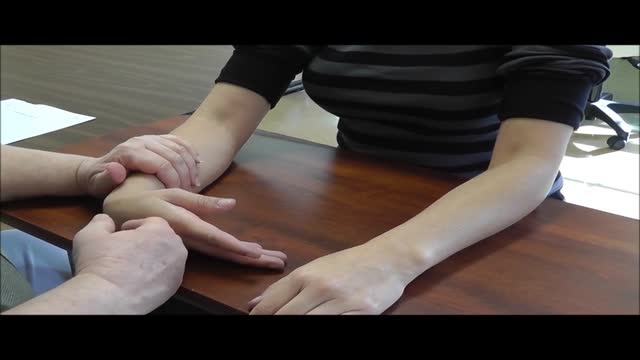
Hold your elbows at shoulder level and place the backs of your hands together with your wrists bent at 90 degrees. This position increases the pressure on the median nerve. If the test reproduces or worsens your symptoms (pain and tingling in your hands), you may have carpal tunnel syndrome.
Tendons are thick cords that join your muscles to your bones. When these tendons become irritated or inflamed, it is called tendinitis. This condition causes acute pain and tenderness, making it difficult to move the affected joint. Read more

Chronic angina is a prevalent manifestation of cardiovascular disease and is most commonly due to insufficient oxygen supply from fixed epicardial lesions in the coronary arteries.

A Cryptic Pregnancy is a pregnancy, where the feotus is hidden or camouflaged in its natural environment; due to no HcG hormone being produced by the placenta and/or by difficulty in finding with ultrasound devices.

The physical signs of pregnancy are easy to recognize -- nausea, fatigue, that swollen belly and (often) a healthy glow. But what if you had these telltale pregnancy symptoms -- and weren't actually pregnant? As crazy as it sounds, it does happen. False pregnancy, or pseudocyesis, is a condition in which a woman believes that she's pregnant, yet conception hasn't taken place and no baby is forming inside. Common, and often lasting, pregnancy symptoms help to reinforce this idea, which can lead a woman to be absolutely certain she's expecting, for months or even years!
Pregnancy Tips : How Early Can You Take a Blood Test for Pregnancy?
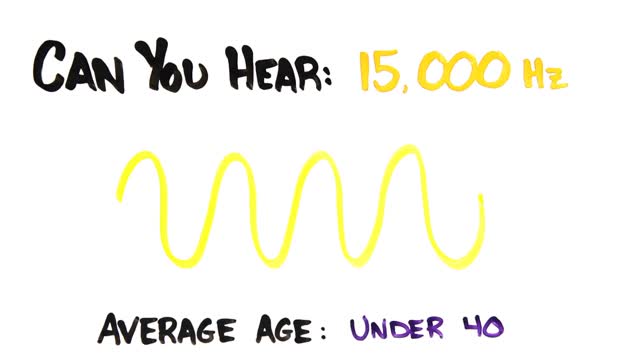
Hearing loss can affect anyone at any age, due to heredity, medical conditions or loud noise exposure. However, as we get older, we naturally become more susceptible to hearing loss because of changes to the delicate mechanics of our ears.

The examination of the groin, hernial orifices and male external genitalia are clinical examinations which undergraduate medical students are commonly less confident about performing competently, due to the lack of clinical exposure.
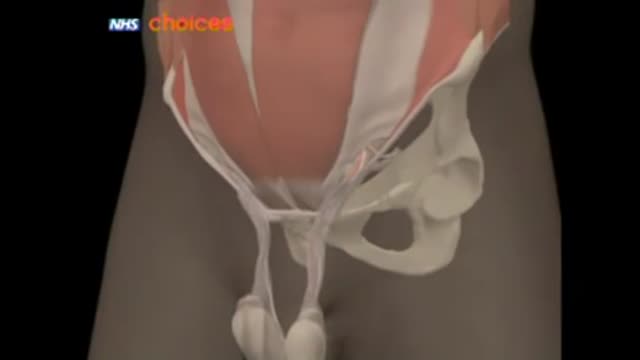
A hernia occurs when an organ or fatty tissue squeezes through a weak spot in a surrounding muscle or connective tissue called fascia. The most common types of hernia are inguinal (inner groin), incisional (resulting from an incision), femoral (outer groin), umbilical (belly button), and hiatal (upper stomach).

During in vitro fertilization (IVF), eggs and sperm are brought together in a laboratory glass dish to allow the sperm to fertilize an egg. With IVF, you can use any combination of your own eggs and sperm and donor eggs and sperm. After IVF, one or more fertilized eggs are placed in the uterus .
Problems that affect ovulation, and the hormones involved with ovulation, are the most common cause of female infertility. They include: Polycystic Ovarian Syndrome (PCOS). Women with PCOS do not ovulate regularly and they experience infrequent or absent menstrual cycles.
A man's age matters. As men get older, the chances of conceiving and having a healthy child decline. Male fertility starts to decline after 40 when sperm quality decreases. This means it takes longer for their partners to conceive and when they do, there's an increased risk of miscarriage.

HAPPY THANKSGIVING
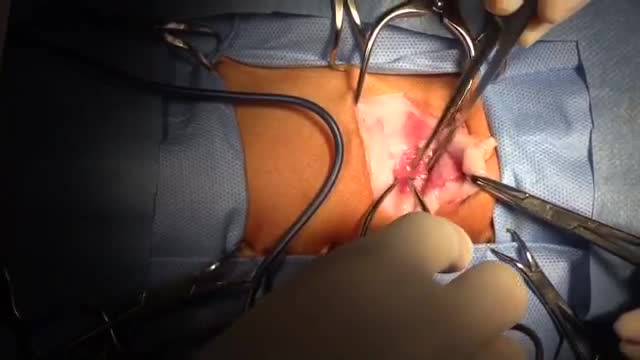
This video: Patent ductus arteriosus (PDA) is a persistent opening between two major blood vessels leading from the heart. The opening, called the ductus arteriosus, is a normal part of a baby's circulatory system before birth that usually closes shortly after birth. If it remains open, however, it's called a patent ductus arteriosus. A small patent ductus arteriosus often doesn't cause problems and might never need treatment. However, a large patent ductus arteriosus left untreated can allow poorly oxygenated blood to flow in the wrong direction, weakening the heart muscle and causing heart failure and other complications. Treatment options for a patent ductus arteriosus include monitoring, medications and closure by cardiac catheterization or surgery.
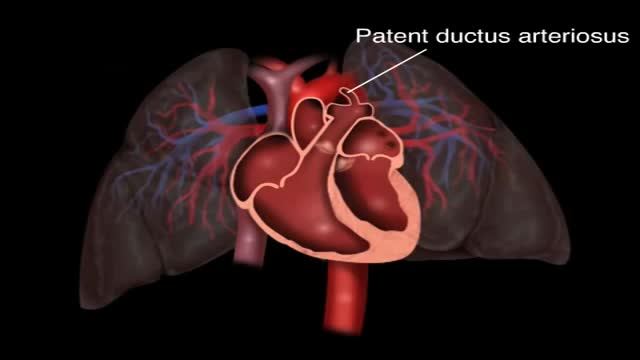
Patent ductus arteriosus (PDA) is a persistent opening between two major blood vessels leading from the heart. The opening, called the ductus arteriosus, is a normal part of a baby's circulatory system before birth that usually closes shortly after birth. If it remains open, however, it's called a patent ductus arteriosus.
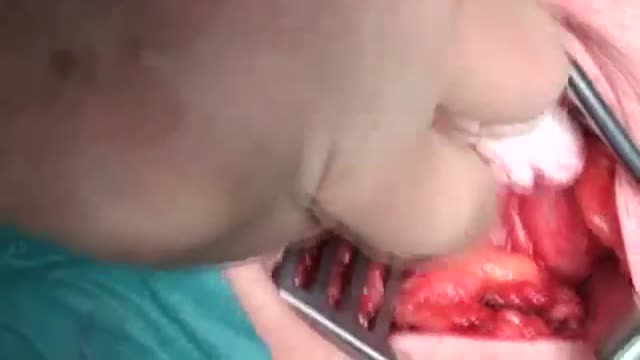
During surgery to repair the hernia, the bulging tissue is pushed back in. Your abdominal wall is strengthened and supported with sutures (stitches), and sometimes mesh. This repair can be done with open or laparoscopic surgery. You and your surgeon can discuss which type of surgery is right for you.

The Epley Maneuver for Vertigo can be very effective at relieving vertigo symptoms, but it’s a procedure that should be performed by a physical therapist or other health care professional. This video is for demonstration purposes only. See Doctor Jo’s blog post about the Epley
