
- Physical Examination
- Surgical Examination
- Ophthalmology
- Clinical Skills
- Orthopedics
- Surgery Videos
- Laparoscopy
- Pediatrics
- Funny Videos
- Cardiothoracic Surgery
- Nursing Videos
- Plastic Surgery
- Otorhinolaryngology
- Histology and Histopathology
- Neurosurgery
- Dermatology
- Pediatric Surgery
- Urology
- Dentistry
- Oncology and Cancers
- Anatomy Videos
- Health and Fitness
- Radiology
- Anaesthesia
- Physical Therapy
- Pharmacology
- Interventional Radiology
- Cardiology
- Endocrinology
- Gynecology
- Emergency Medicine
- Psychiatry and Psychology
- Childbirth Videos
- General Medical Videos
- Nephrology
- Physiology
- Diet and Food Health
- Diabetes Mellitus
- Neurology
- Women Health
- Osteoporosis
- Gastroenterology
- Pulmonology
- Hematology
- Rheumatology
- Toxicology
- Nuclear Medicine
- Infectious Diseases
- Vascular Disease
- Reproductive Health
- Burns and Wound Healing
- Other
Top videos
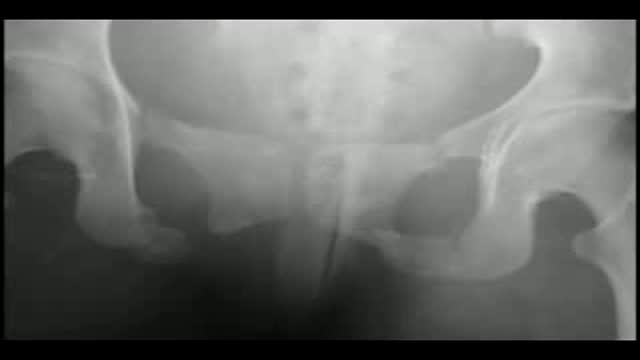

laparoscopy for repair of rupture of urinary bladder
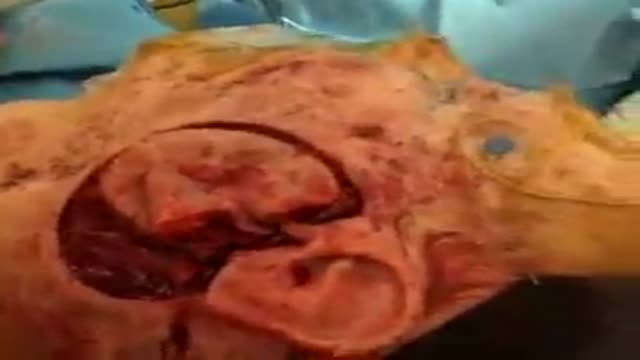
This video shows a patient with a large squamous cell carcinoma that has eroded through his external ear. The lesion has also infiltrated the parotid gland. We show the resection of this lesion with associated reconstruction.
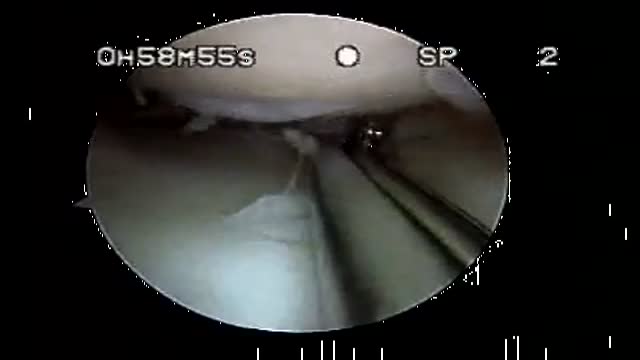
Meniscus allograft survival in patients with moderate to severe unicompartmental arthritis: a 2- to 7-year follow-up.PURPOSE: We present meniscus allograft survival data at least 2 years from surgery for 45 patients (47 allografts) with significant arthrosis to determine if the meniscus can survive ...in an arthritic joint. Type of Study: Prospective, longitudinal survival study. METHODS: Data were collected for 31 men and 14 women, mean age 48 years (range, 14 to 69 years), with preoperative evidence of significant arthrosis and an Outerbridge classification greater than II. Failure is established by previous studies as allograft removal. No patient was lost to follow-up. RESULTS: The success rate was 42 of 47 allografts (89.4%) with a mean failure time of 4.4 years as assessed by Kaplan-Meier survival analysis. Statistical power is greater than 0.9, with alpha = 0.05 and N = 47. There was significant mean improvement in preoperative versus postoperative self-reported measures of pain, activity, and functioning, with P = .001, P = .004, and P = .001, respectively, as assessed by a Wilcoxon rank-sum test with P = .05. CONCLUSIONS: Meniscus allografts can survive in a joint with arthrosis, challenging the contraindications of age and arthrosis severity. These results compare favorably with those in previous reports of meniscus allograft survival in patients without arthrosis. LEVEL OF EVIDENCE: Level IV.
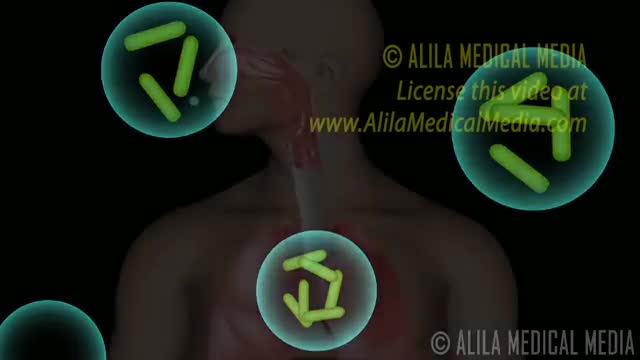
Tuberculosis (TB) is a disease caused by bacteria called Mycobacterium tuberculosis. The bacteria usually attack the lungs, but they can also damage other parts of the body. TB spreads through the air when a person with TB of the lungs or throat coughs, sneezes, or talks. If you have been exposed, you should go to your doctor for tests. You are more likely to get TB if you have a weak immune system. Symptoms of TB in the lungs may include A bad cough that lasts 3 weeks or longer Weight loss Loss of appetite Coughing up blood or mucus Weakness or fatigue Fever Night sweats
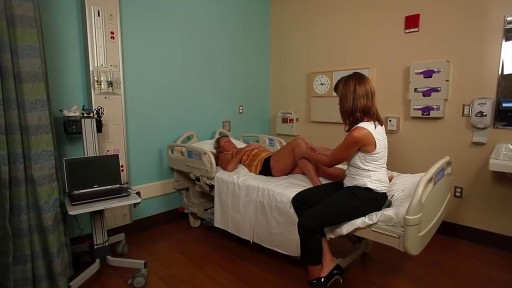
Detailed examination of the joints is usually not included in the routine medical examination. However, joint related complaints are rather common, and understanding anatomy and physiology of both normal function and pathologic conditions is critically important when evaluating the symptomatic patient. By gaining an appreciation for the basic structures and functioning of the joint, you'll be able to "logic" your way thru the exam, even if you can't remember the eponym attached to each specific test!
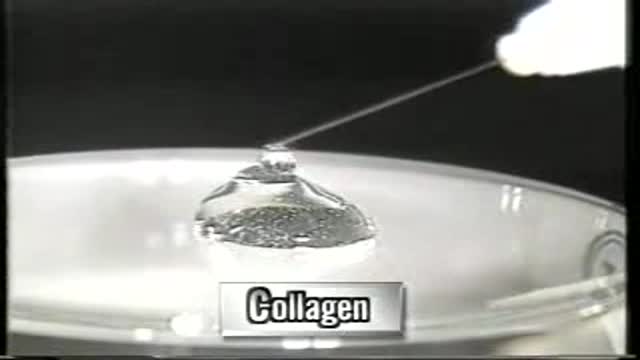
Endoscope-assisted pocket grafting of autologous collagen for correction of facial wrinkles
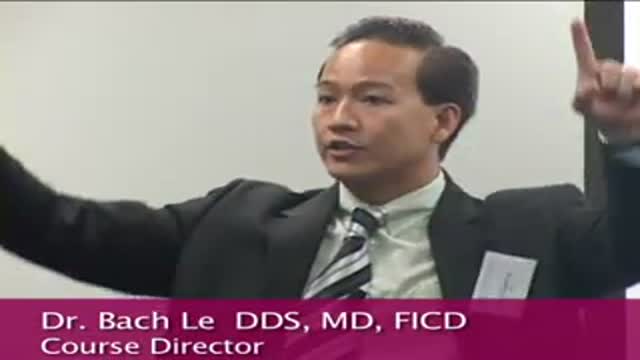
Oral Surgery and Dental Implants
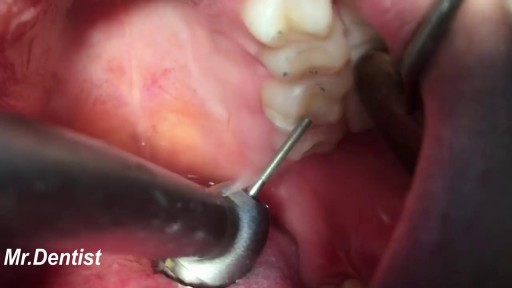
Fillings are a way for dentists to restore a partially decayed tooth. While many people fear the dentist, this procedure is typically quick, effective, and inexpensive. Without fillings, cavities can rapidly worsen. Seeing a dentist regularly can help you to monitor the condition of your teeth and plan for corrective procedures. According to the National Institute of Dental and Craniofacial Research, nearly 93 percent of adults between the ages of 20 and 64 have cavities, and at least 29 percent have decay that is untreated. Dentists can quickly identify tooth decay and then come up with a plan of action that involves filling teeth and restoring adverse conditions. You can do your part by sticking to a solid at-home oral hygiene routine. By simply brushing twice a day with a fluoride-treated toothpaste and flossing regularly, you can prevent the build up of bacteria-rich plaque and eliminate cavity-causing conditions.
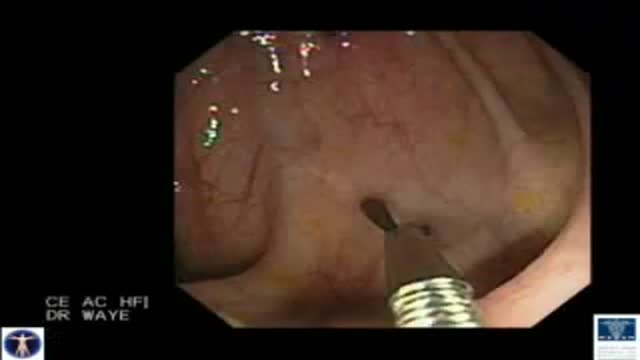
Colon - Chromoendoscopy during Ulcerative Colitis Surveillance
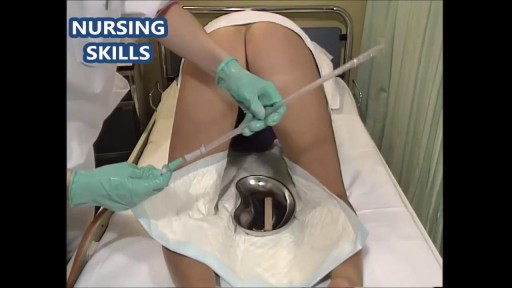
Watch that video to know How to Insert Enema
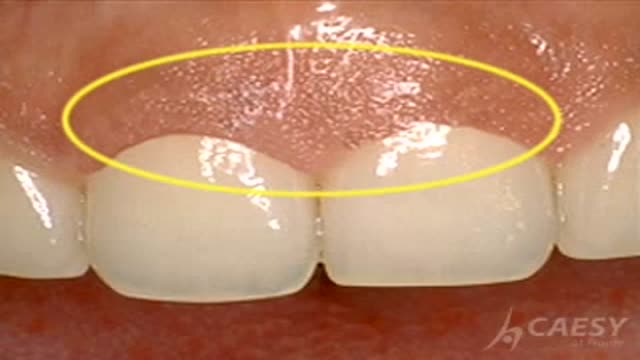
Gingivectomy
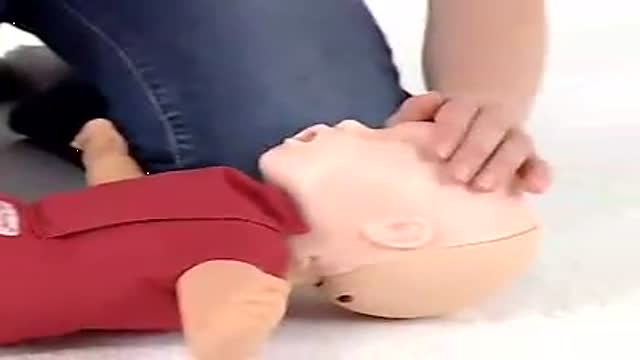
Baby CPR
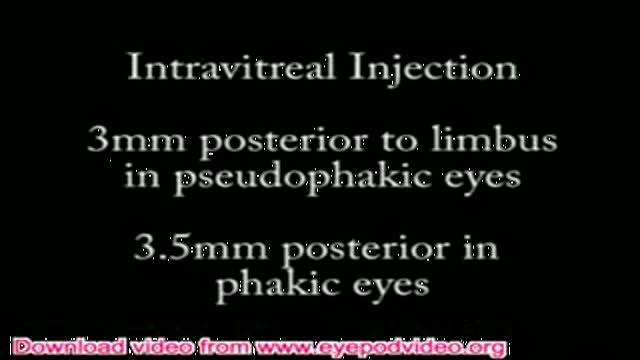
Intravitreal injection technique used in endophthalmitis, macular degeneration, and other eye diseases
A video of examination of peripheral pulsations from the USMLE collection
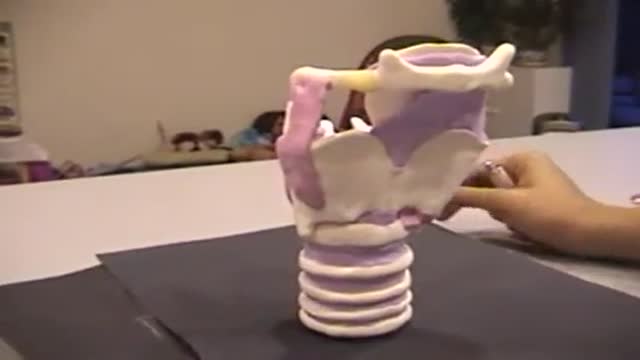
Larynx Anatomy and Physiology
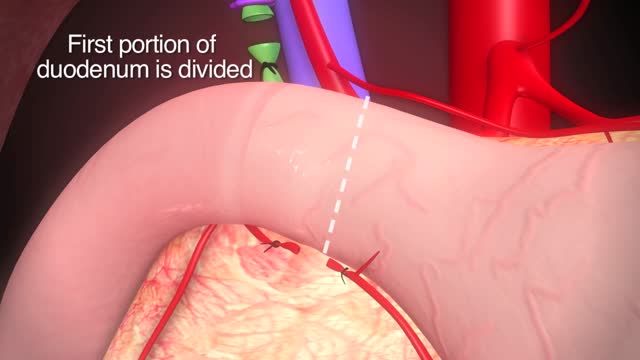
Our specialists treat conditions that are recurrent and hard to treat. Simply put, TPIAT a procedure that lets surgeons remove the pancreas, take out islet cells – the cells in the pancreas that make insulin – and put those islet cells into the liver. Patients then take pancreatic enzymes to help them digest food.
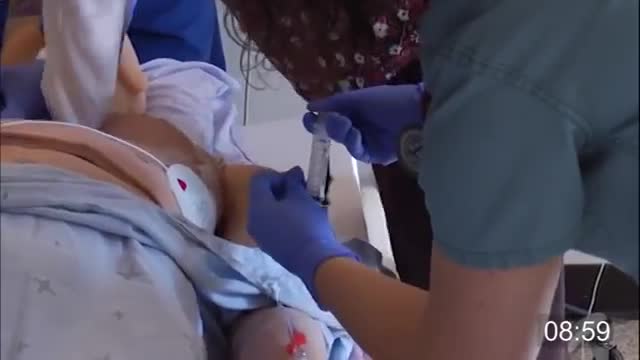
Technically, there's no formal definition for a "Code", but doctors often use the term as slang for a cardiopulmonary arrest happening to a patient in a hospital or clinic, requiring a team of providers (sometimes called a "code team") to rush to the specific location and begin immediate resuscitative efforts.
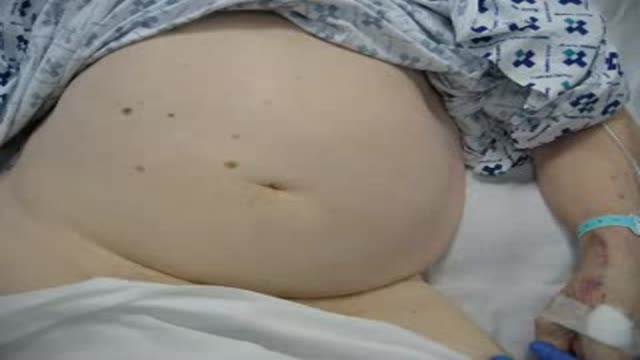
A video showing insertion of a percutaneous endoscopic colostomy in a frail patient with recurrent sigmoid volvulus.
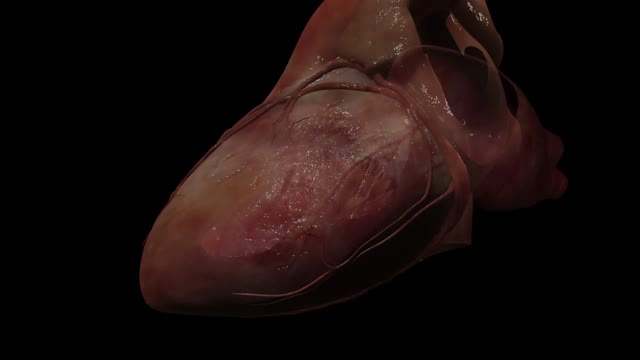
The heart is the body's engine room, responsible for pumping life-sustaining blood via a 60,000-mile-long (97,000-kilometer-long) network of vessels. The organ works ceaselessly, beating 100,000 times a day, 40 million times a year—in total clocking up three billion heartbeats over an average lifetime. It keeps the body freshly supplied with oxygen and nutrients, while clearing away harmful waste matter.
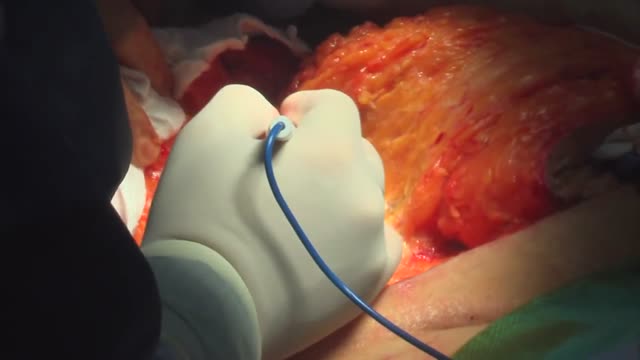
surgical procedure used to remove excess skin and fat from the abdomen and to tighten the muscles of the abdominal wall. Most tummy tuck patients are dealing with the effects of pregnancies and weight loss and find themselves with loose skin in spite of exercise and weight control. Each year, thousands of Americans undergo a tummy tuck to tone, firm and define the abdominal area.
