
- Physical Examination
- Surgical Examination
- Ophthalmology
- Clinical Skills
- Orthopedics
- Surgery Videos
- Laparoscopy
- Pediatrics
- Funny Videos
- Cardiothoracic Surgery
- Nursing Videos
- Plastic Surgery
- Otorhinolaryngology
- Histology and Histopathology
- Neurosurgery
- Dermatology
- Pediatric Surgery
- Urology
- Dentistry
- Oncology and Cancers
- Anatomy Videos
- Health and Fitness
- Radiology
- Anaesthesia
- Physical Therapy
- Pharmacology
- Interventional Radiology
- Cardiology
- Endocrinology
- Gynecology
- Emergency Medicine
- Psychiatry and Psychology
- Childbirth Videos
- General Medical Videos
- Nephrology
- Physiology
- Diet and Food Health
- Diabetes Mellitus
- Neurology
- Women Health
- Osteoporosis
- Gastroenterology
- Pulmonology
- Hematology
- Rheumatology
- Toxicology
- Nuclear Medicine
- Infectious Diseases
- Vascular Disease
- Reproductive Health
- Burns and Wound Healing
- Other
Top videos
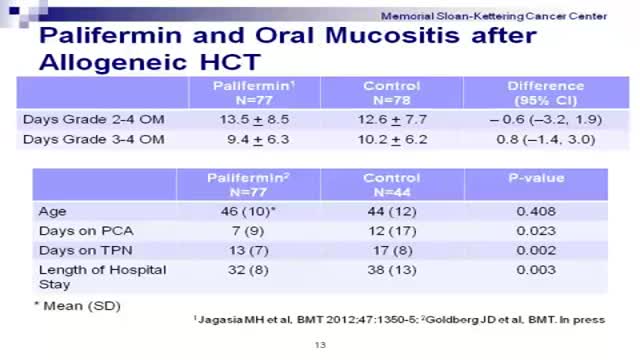

Graft-versus-host disease (GVHD) is a common complication after an allogeneic transplant, a transplant in which cells from a family member, unrelated donor or cord blood unit are used. In GVHD, the immune cells from the donated marrow or cord blood (the graft) attack the body of the transplant patient (the host).
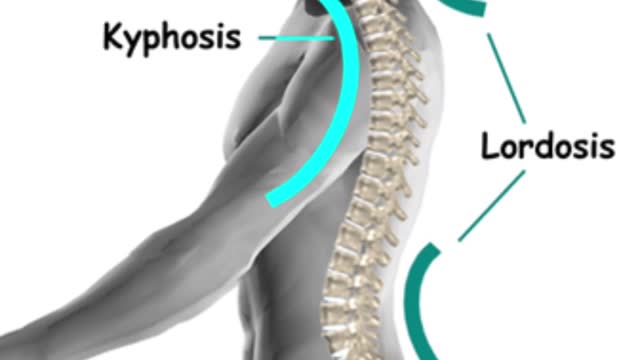
The gradual curves of the human spine allow the body to absorb many shocks and stresses in daily life. It’s a delicate balance, though, and if part of the spine curves too much, pain and limited mobility may result.
Learn about Bicuspid Aortic Valves in this presentation. Bicuspid Aortic Valves are present in about 2% of the population and are the most common congenital disorder. Find out more about a Bicuspid Aortic Valve by visiting the following link:
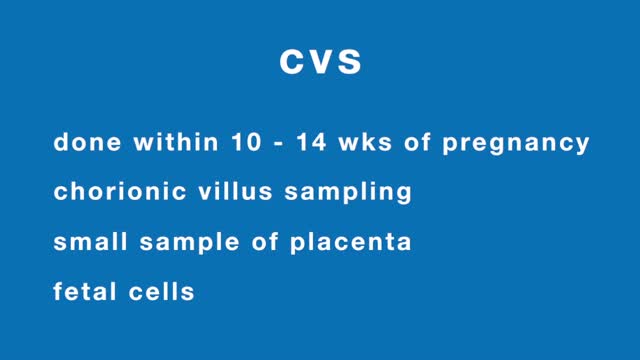
Chorionic villus sampling, often referred to as CVS, is a diagnostic test for identifying chromosome abnormalities and other inherited disorders. This test may be recommended by your health care provider, if you or your partner has family medical histories that reveal potential risks.

Benzodiazepines are a class of agents that work on the central nervous system, acting selectively on gamma-aminobutyric acid-A (GABA-A) receptors in the brain. GABA is a neurotransmitter that inhibits or reduces the activity of nerve cells (neurons) within the brain. Benzodiazepines open GABA-activated chloride channels, and allow chloride ions to enter the neuron. This makes the neuron negatively charged and resistant to excitation.
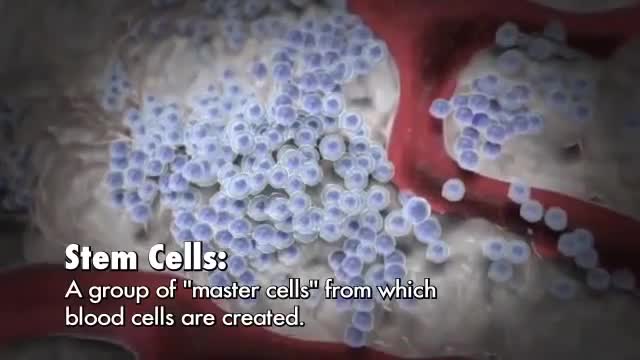
Red blood cells, most white blood cells, and platelets are produced in the bone marrow, the soft fatty tissue inside bone cavities. Two types of white blood cells, T and B cells (lymphocytes), are also produced in the lymph nodes and spleen, and T cells are produced and mature in the thymus gland.
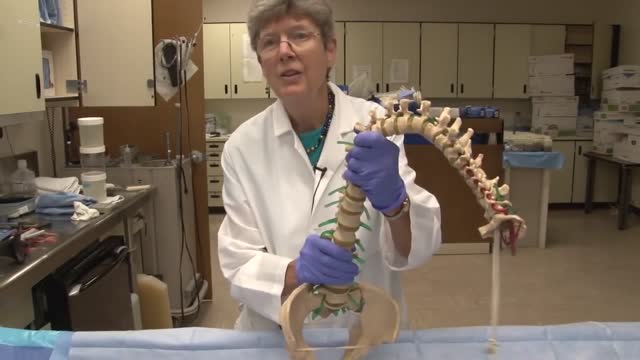
The spinal cord is a long, thin, tubular bundle of nervous tissue and support cells that extends from the medulla oblongata in the brainstem to the lumbar region of the vertebral column. The brain and spinal cord together make up the central nervous system (CNS).
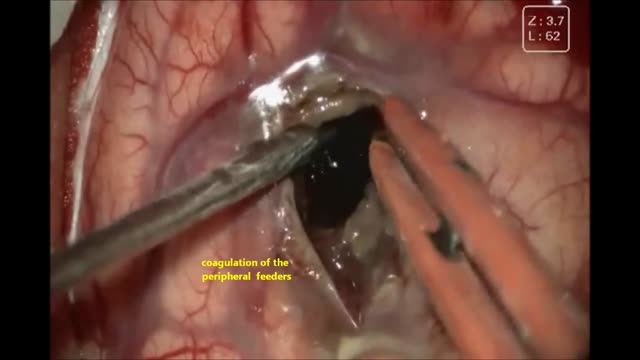
This 13 yrs young girl has had left temporo parietal cavernous angioma ,she came with acute bleed with raised ICT ,aphasia ,right hemiparesis ,leision was excised microsurgically with excellent out come

How do you know if you have an STD? There’s only one way — you have to get tested. How do they test for STDs? Here’s the good news: STD testing is usually quick and painless. Get answers to all your questions about how to get tested for STDs.

Women who have untreated chlamydia might develop pelvic inflammatory disease, which can cause ectopic pregnancies, chronic pelvic pain and infertility. ... The antibiotics used to treat chlamydia are safe in pregnancy and are used in pregnant women for many other types of infections.
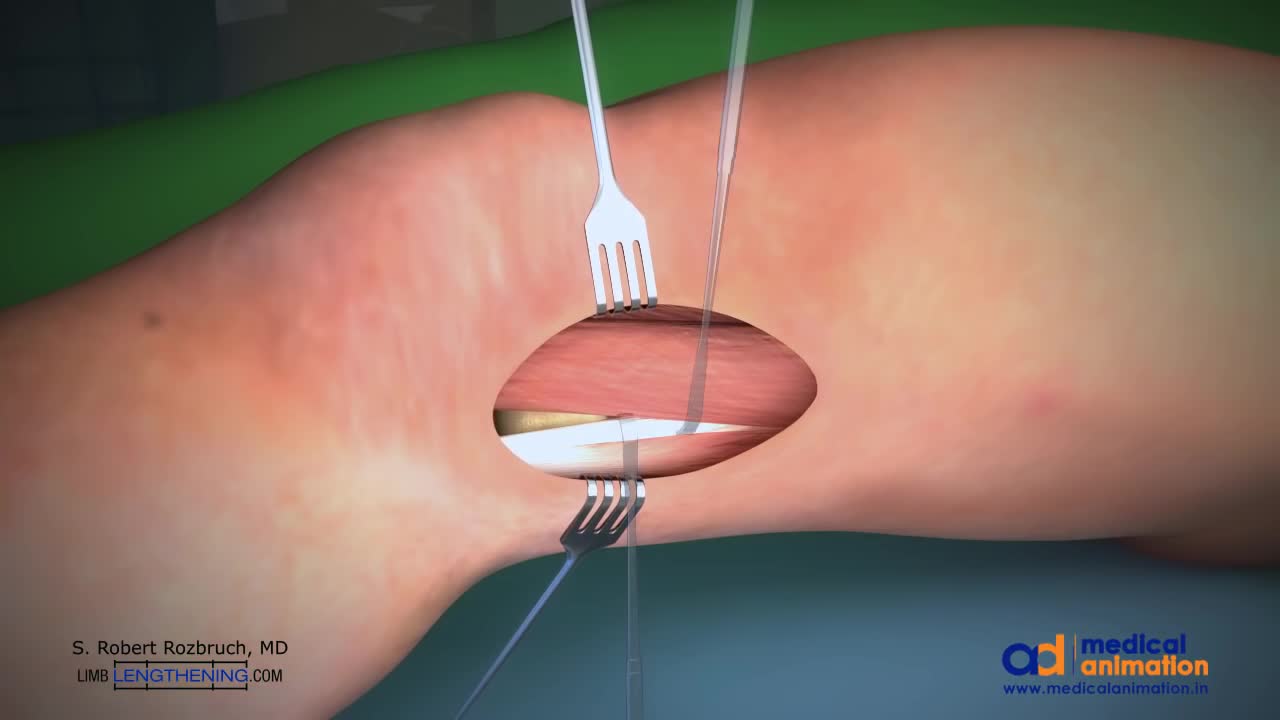
The Distal Femoral Osteotomy System utilizes the same principles of design featured in the Tibial Osteotomy System. Specifically designed femoral osteotomy plates take into account the anatomical differences between the distal femur and proximal tibia.
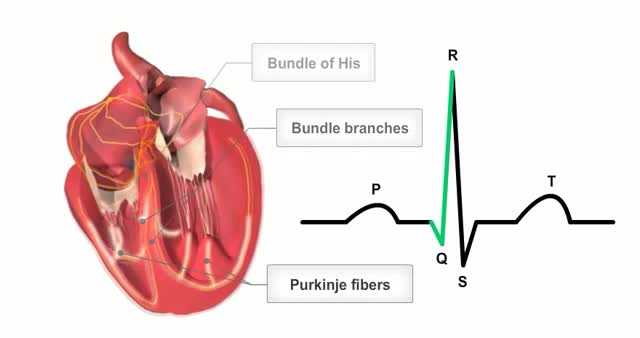
The heart's conductions system controls the generation and propagation of electric signals or action potentials causing the hearts muscles to contract and the heart to pump blood.
Coronary artery vasospasm, or smooth muscle constriction of the coronary artery, is an important cause of chest pain syndromes that can lead to myocardial infarction (MI), ventricular arrhythmias, and sudden death. It also plays a key role in the development of atherosclerotic lesions.Nov 22, 2016

Frontotemporal degeneration (FTD) is a disease process that results in progressive damage to the temporal and/or frontal lobes of the brain. It causes a group of brain disorders that share many clinical features.
Antiphospholipid (AN-te-fos-fo-LIP-id) syndrome occurs when your immune system attacks some of the normal proteins in your blood. It can cause blood clots in your arteries or veins. And it can cause pregnancy complications, such as miscarriage and stillbirth. Blood clots in your leg veins cause a condition known as deep vein thrombosis (DVT). Damage from blood clots in your organs, such as your kidneys, lungs or brain, depends on the extent and location of the clot. For instance, a clot in your brain can cause a stroke. There's no cure for antiphospholipid syndrome, but medications can reduce your risk of blood clots.
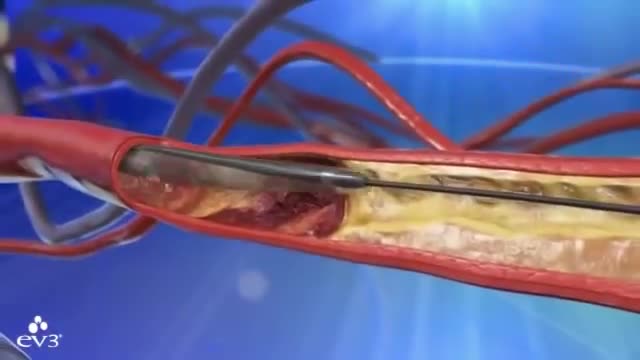
Preventing heart attacks and stroke can involve extensive surgery to remove plaque from your arteries, but as FOX17's Nick Paranjape shows us, there's a new procedure in Middle Tennessee that is less invasive and substantially cuts down on your recovery time. At 76, Jimmy Wilkie of Hendersonville exercises on his treadmill 3-4 times a week. Recently, he started having pain in his left leg. It was so bad, he couldn't even walk. Turned out, Mr. Wilkie had a blocked artery in his leg. In years past, this would've required major bypass surgery. Not anymore!"The Turbohawk Catheter has really opened a new door for us," says Dr. Dan Wunder.Dr. Wunder, an Interventional Radiologist at Premier Radiology in Madison, is talking about the Turbohawk. It's a device which is inserted into the blocked artery, and inside the Turbohawk are 4 tiny blades."It can cut the plaque and with that shape of the disc it cuts with it pushes it forward into the catheter," says Dr. Wunder.The one-hour procedure doesn't just push the plaque to the sides where it can re-grow, but instead grabs it and removes it!"We pull it back out and it fills up," says Dr. Wunder. "Empty it out, go back down and we can cut some more out."Before and after images really say it all."They used a roto rooter as he called it," says Wilkie.A roto rooter, Turbohawk, call it what you want, but Wilkie says all he knows is the procedure worked right away!"There wasn't any pain at all in my leg," says Wilkie.It's rare, but the outpatient procedure can have complications like plaque getting pushed down in the leg. Dr. Wunder says the main symptoms of a blockage in your legs is having severe pain or cramping when you're walking or exercising.
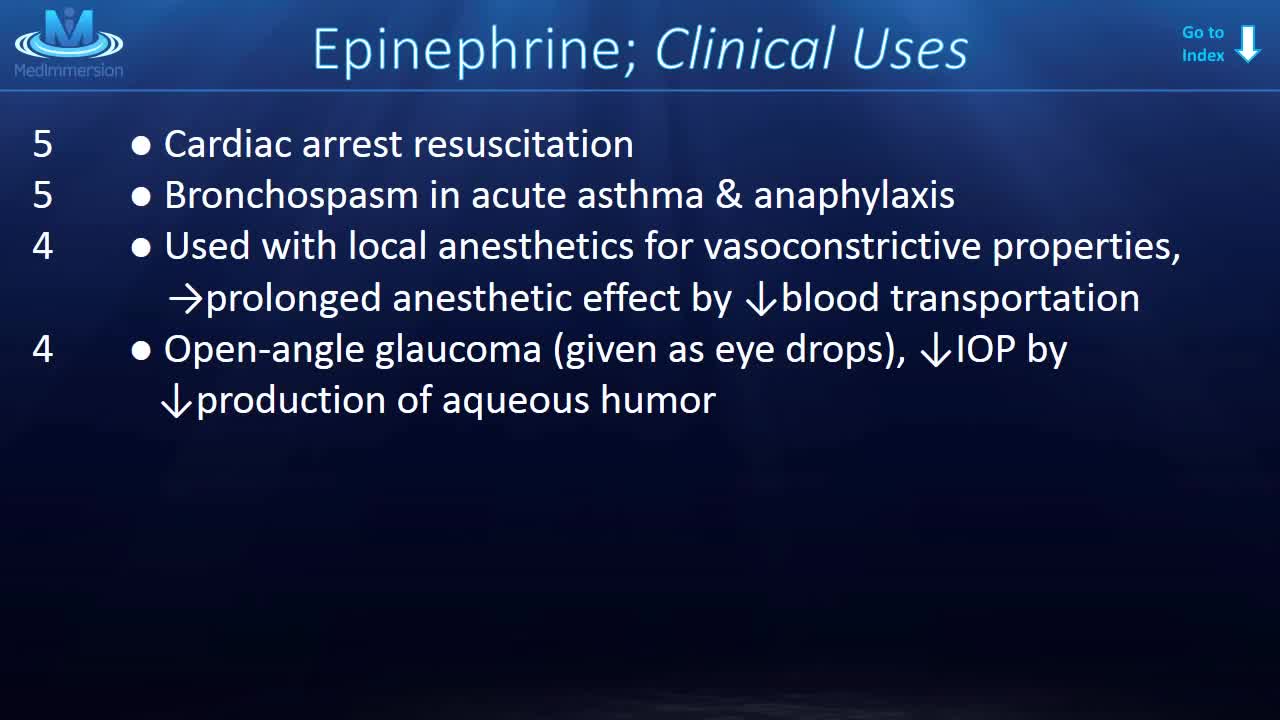
This medication is used in emergencies to treat very serious allergic reactions to insect stings/bites, foods, drugs, or other substances. Epinephrine acts quickly to improve breathing, stimulate the heart, raise a dropping blood pressure, reverse hives, and reduce swelling of the face, lips, and throat.
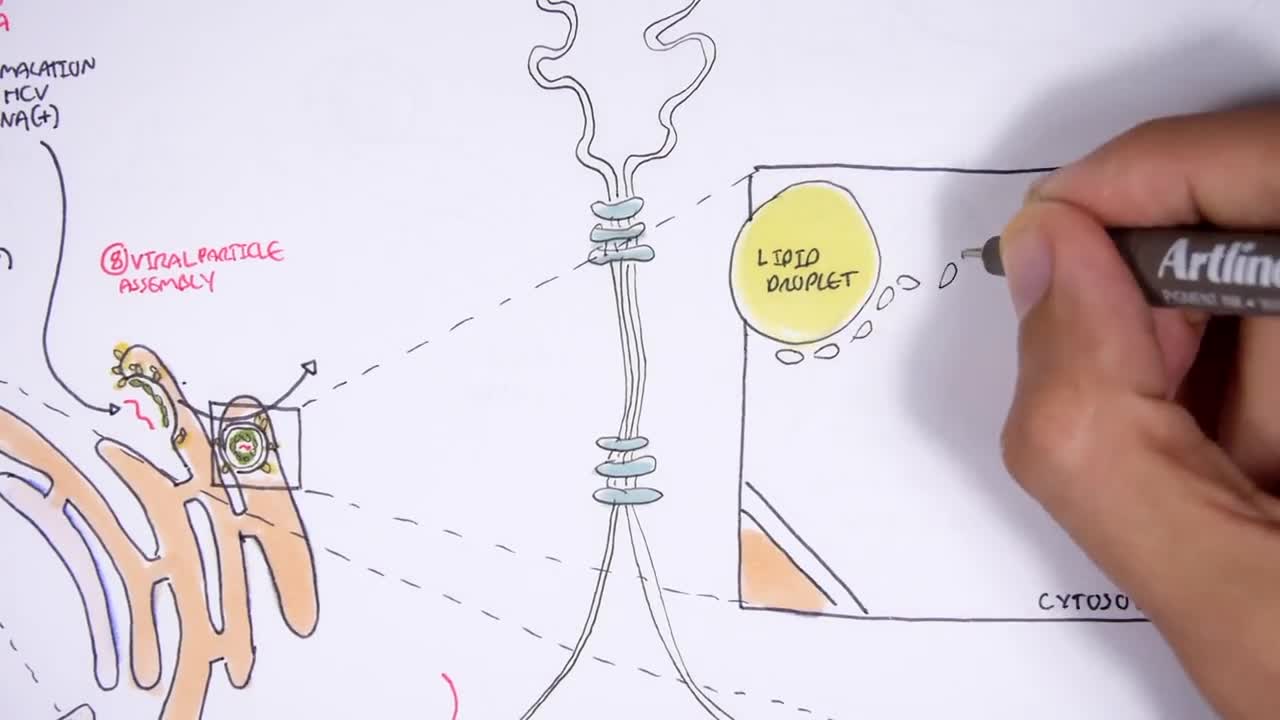
Many people don't know that they have hepatitis C until they already have some liver damage. This can take many years. Some people who get hepatitis C have it for a short time and then get better. This is called acute hepatitis C. But most people who are infected with the virus go on to develop long-term, or chronic, hepatitis C. Although hepatitis C can be very serious, most people can manage the disease and lead active, full lives.
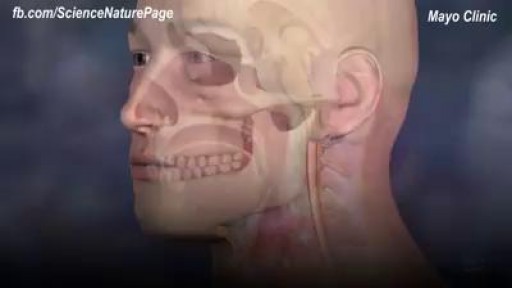
Face transplant allows this man to live a normal life. Hats off to all the surgeons involved!
Ureteral stents are one of the most common devices used by urologists. They are placed with cystoscopic guidance in an operating room setting. Ureteral stents are used to relieve ureteral obstruction, promote ureteral healing following surgery, and to assist with ureteral identification during pelvic surgery. Ureteral stent placement is associated with some degree of morbidity in the majority of patients that ranges from generalized urinary discomfort to urinary tract infection or obstruction. Much of the morbidity is related to the biocompatibility of the materials used to fashion the stent and, to some extent, their design; unfortunately, the ideal stent has yet to be discovered.
