
- Physical Examination
- Surgical Examination
- Ophthalmology
- Clinical Skills
- Orthopedics
- Surgery Videos
- Laparoscopy
- Pediatrics
- Funny Videos
- Cardiothoracic Surgery
- Nursing Videos
- Plastic Surgery
- Otorhinolaryngology
- Histology and Histopathology
- Neurosurgery
- Dermatology
- Pediatric Surgery
- Urology
- Dentistry
- Oncology and Cancers
- Anatomy Videos
- Health and Fitness
- Radiology
- Anaesthesia
- Physical Therapy
- Pharmacology
- Interventional Radiology
- Cardiology
- Endocrinology
- Gynecology
- Emergency Medicine
- Psychiatry and Psychology
- Childbirth Videos
- General Medical Videos
- Nephrology
- Physiology
- Diet and Food Health
- Diabetes Mellitus
- Neurology
- Women Health
- Osteoporosis
- Gastroenterology
- Pulmonology
- Hematology
- Rheumatology
- Toxicology
- Nuclear Medicine
- Infectious Diseases
- Vascular Disease
- Reproductive Health
- Burns and Wound Healing
- Other
Top videos
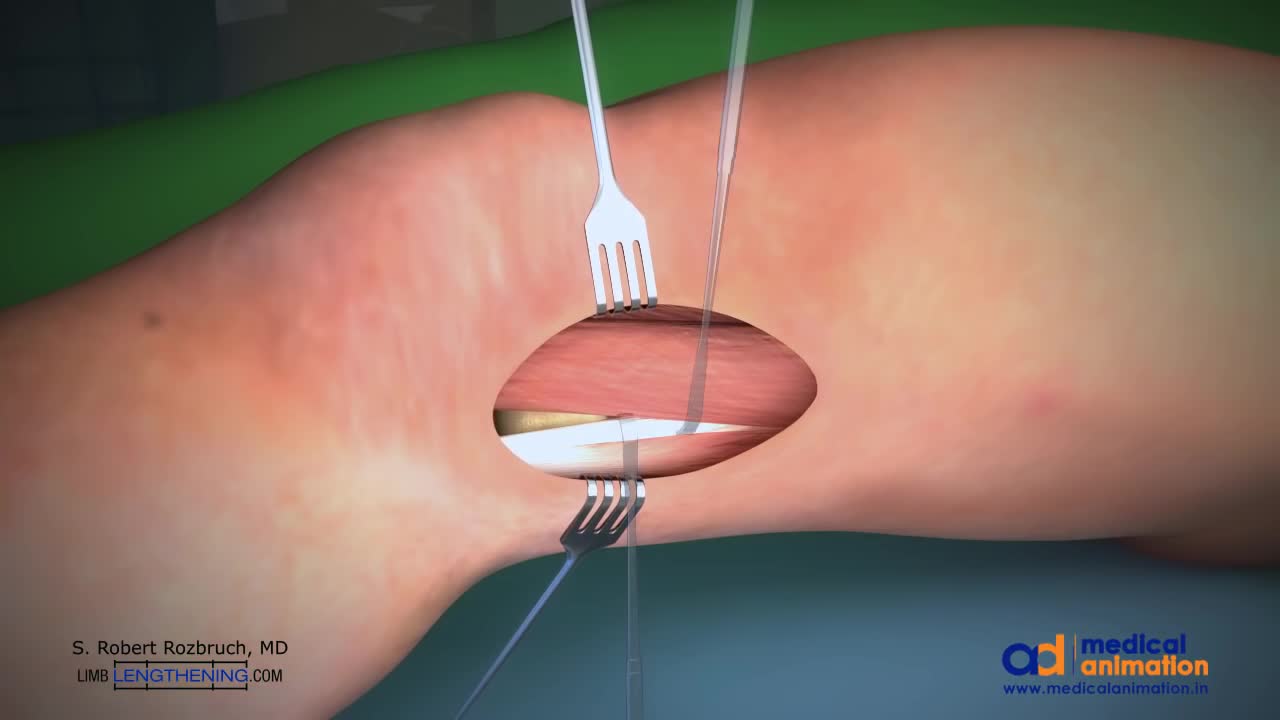

The Distal Femoral Osteotomy System utilizes the same principles of design featured in the Tibial Osteotomy System. Specifically designed femoral osteotomy plates take into account the anatomical differences between the distal femur and proximal tibia.
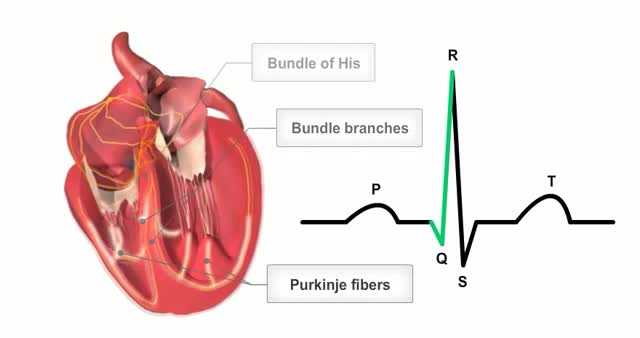
The heart's conductions system controls the generation and propagation of electric signals or action potentials causing the hearts muscles to contract and the heart to pump blood.
Coronary artery vasospasm, or smooth muscle constriction of the coronary artery, is an important cause of chest pain syndromes that can lead to myocardial infarction (MI), ventricular arrhythmias, and sudden death. It also plays a key role in the development of atherosclerotic lesions.Nov 22, 2016
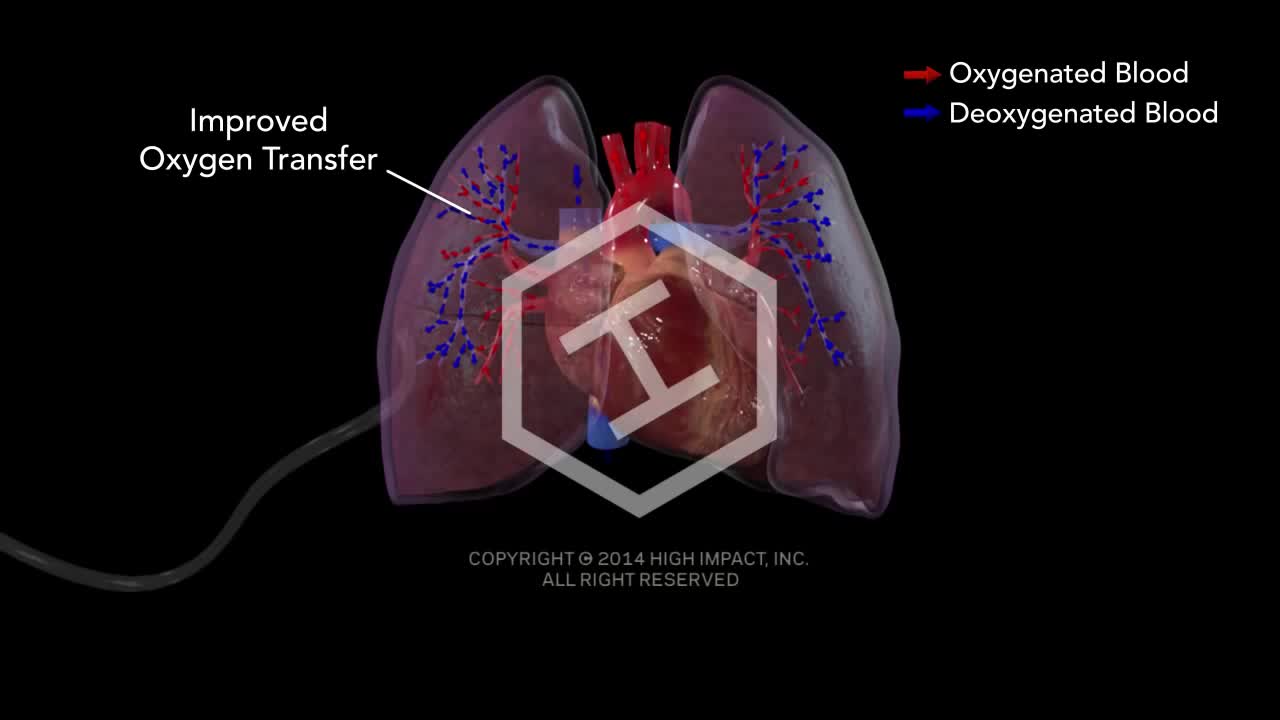
A pneumothorax (noo-moe-THOR-aks) is a collapsed lung. A pneumothorax occurs when air leaks into the space between your lung and chest wall. This air pushes on the outside of your lung and makes it collapse. In most cases, only a portion of the lung collapses.

Frontotemporal degeneration (FTD) is a disease process that results in progressive damage to the temporal and/or frontal lobes of the brain. It causes a group of brain disorders that share many clinical features.
Antiphospholipid (AN-te-fos-fo-LIP-id) syndrome occurs when your immune system attacks some of the normal proteins in your blood. It can cause blood clots in your arteries or veins. And it can cause pregnancy complications, such as miscarriage and stillbirth. Blood clots in your leg veins cause a condition known as deep vein thrombosis (DVT). Damage from blood clots in your organs, such as your kidneys, lungs or brain, depends on the extent and location of the clot. For instance, a clot in your brain can cause a stroke. There's no cure for antiphospholipid syndrome, but medications can reduce your risk of blood clots.
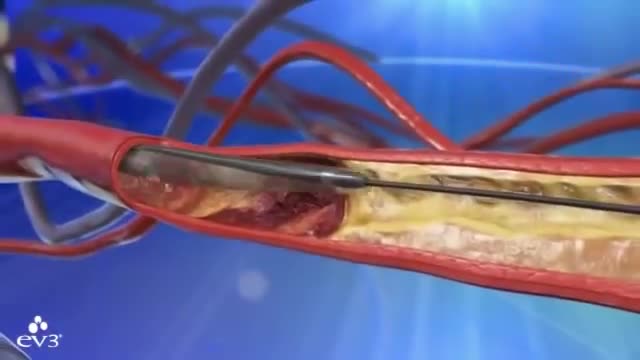
Preventing heart attacks and stroke can involve extensive surgery to remove plaque from your arteries, but as FOX17's Nick Paranjape shows us, there's a new procedure in Middle Tennessee that is less invasive and substantially cuts down on your recovery time. At 76, Jimmy Wilkie of Hendersonville exercises on his treadmill 3-4 times a week. Recently, he started having pain in his left leg. It was so bad, he couldn't even walk. Turned out, Mr. Wilkie had a blocked artery in his leg. In years past, this would've required major bypass surgery. Not anymore!"The Turbohawk Catheter has really opened a new door for us," says Dr. Dan Wunder.Dr. Wunder, an Interventional Radiologist at Premier Radiology in Madison, is talking about the Turbohawk. It's a device which is inserted into the blocked artery, and inside the Turbohawk are 4 tiny blades."It can cut the plaque and with that shape of the disc it cuts with it pushes it forward into the catheter," says Dr. Wunder.The one-hour procedure doesn't just push the plaque to the sides where it can re-grow, but instead grabs it and removes it!"We pull it back out and it fills up," says Dr. Wunder. "Empty it out, go back down and we can cut some more out."Before and after images really say it all."They used a roto rooter as he called it," says Wilkie.A roto rooter, Turbohawk, call it what you want, but Wilkie says all he knows is the procedure worked right away!"There wasn't any pain at all in my leg," says Wilkie.It's rare, but the outpatient procedure can have complications like plaque getting pushed down in the leg. Dr. Wunder says the main symptoms of a blockage in your legs is having severe pain or cramping when you're walking or exercising.
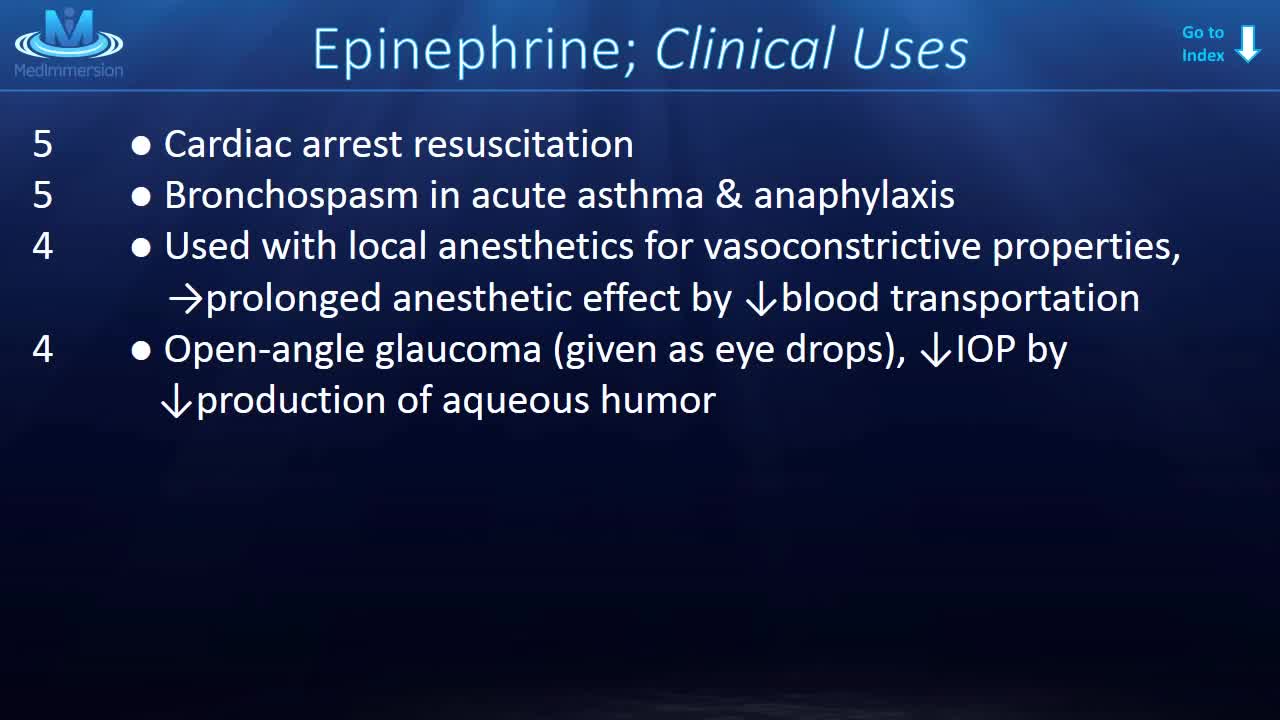
This medication is used in emergencies to treat very serious allergic reactions to insect stings/bites, foods, drugs, or other substances. Epinephrine acts quickly to improve breathing, stimulate the heart, raise a dropping blood pressure, reverse hives, and reduce swelling of the face, lips, and throat.
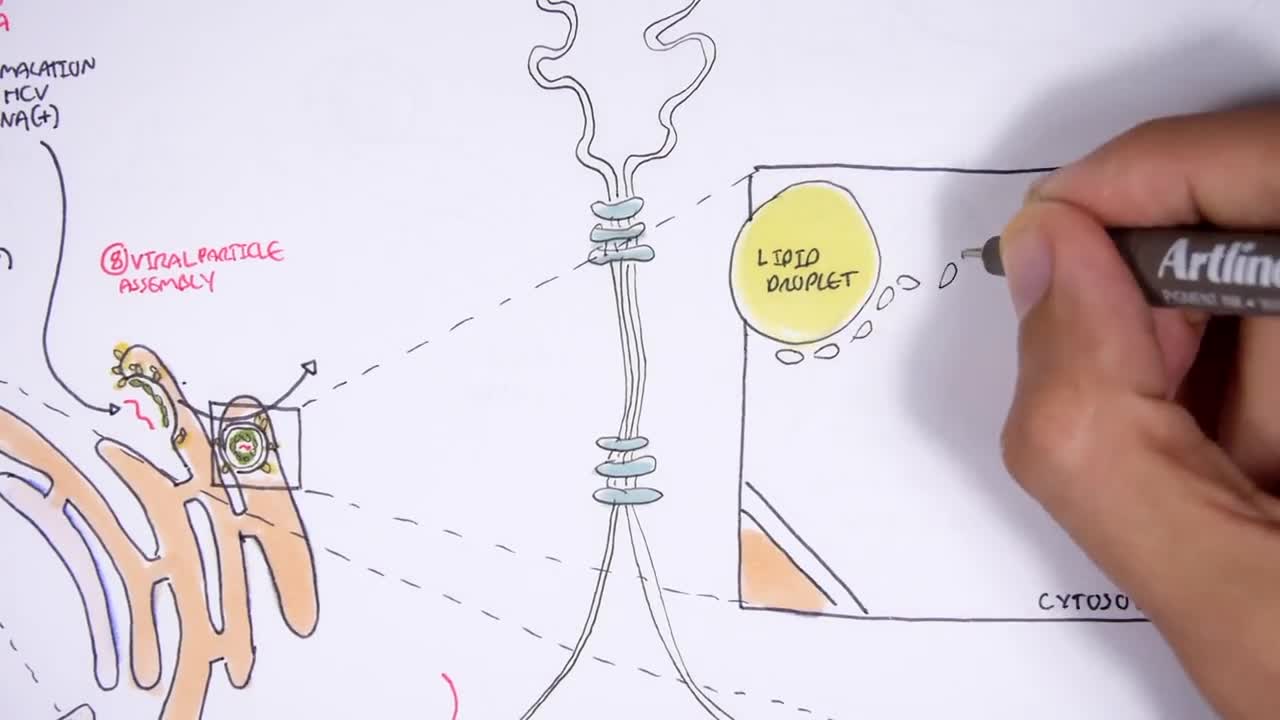
Many people don't know that they have hepatitis C until they already have some liver damage. This can take many years. Some people who get hepatitis C have it for a short time and then get better. This is called acute hepatitis C. But most people who are infected with the virus go on to develop long-term, or chronic, hepatitis C. Although hepatitis C can be very serious, most people can manage the disease and lead active, full lives.
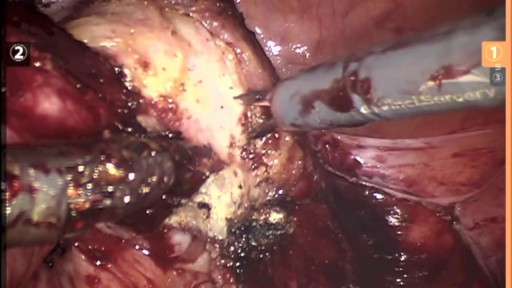
Hysterectomy is the surgical removal of the uterus. It ends menstruation and the ability to become pregnant. Depending on the reason for the surgery, a hysterectomy may also involve the removal of other organs and tissues such as the ovaries and/or fallopian tubes.
This device could prevent migraine headaches.
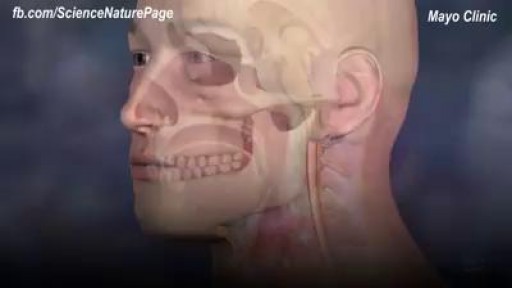
Face transplant allows this man to live a normal life. Hats off to all the surgeons involved!
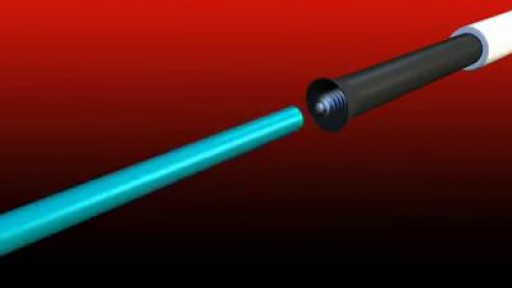
Ureteral stents are one of the most common devices used by urologists. They are placed with cystoscopic guidance in an operating room setting. Ureteral stents are used to relieve ureteral obstruction, promote ureteral healing following surgery, and to assist with ureteral identification during pelvic surgery. Ureteral stent placement is associated with some degree of morbidity in the majority of patients that ranges from generalized urinary discomfort to urinary tract infection or obstruction. Much of the morbidity is related to the biocompatibility of the materials used to fashion the stent and, to some extent, their design; unfortunately, the ideal stent has yet to be discovered.
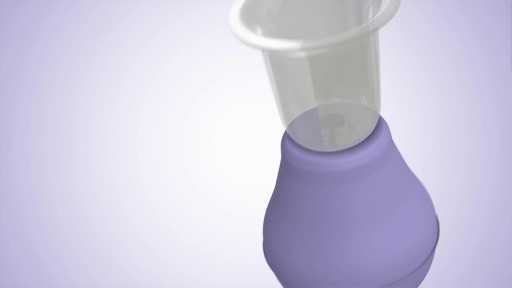
The Lansinoh Latch Assist has been designed to extend inverted nipples - watch this video to see how.?
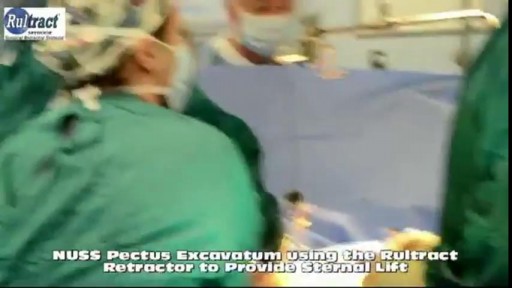
Pectus excavatum repair is surgery to correct pectus excavatum. This is a congenital (present at birth) deformity of the front of the chest wall that causes a sunken breastbone (sternum) and ribs. Pectus excavatum is also called funnel or sunken chest. It may worsen during the teen years.
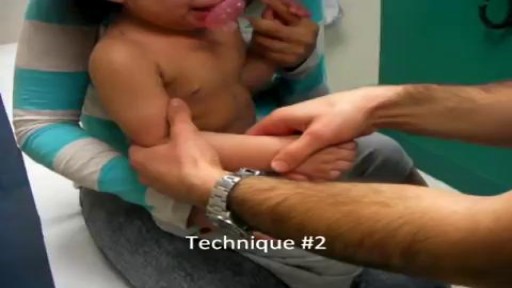
the elbow is the second most frequently dislocated major joint, after the shoulder. It is the most commonly dislocated joint in children. [1] More than 90% of all elbow dislocations are posterior dislocations. This injury entails disengagement of the coronoid process of the ulna from the trochlea of the humerus with movement posteriorly. [2] The mechanism of injury is typically a fall onto an outstretched hand (FOOSH) with the elbow in extension upon impact.
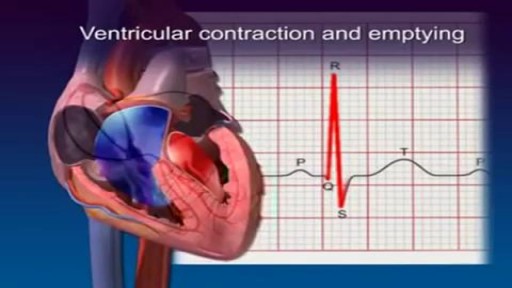
The Best Heart Animation
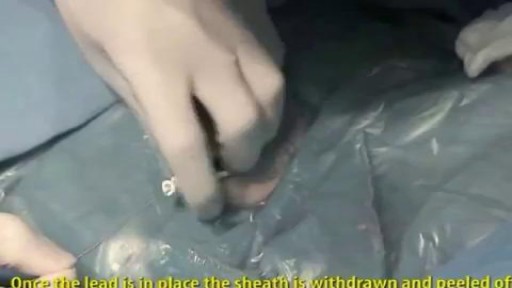
A pacemaker insertion is the implantation of a small electronic device that is usually placed in the chest (just below the collarbone) to help regulate slow electrical problems with the heart.
http://how-to-get-pregnant.info-pro.co ----- How To Get Pregnant, Ways To Get Pregnant, Best Days To Get Pregnant, Easiest Way To Get Pregnant. Signs of Infertility. What exactly is infertility? The problems with either conceiving a child, or with carrying out the pregnancy to its eventual fruitful end, fall under the definition of infertility. Infertility is the incapability of an individual to become pregnant, in case of females, or the incapability to induce pregnancy, in case of the males. The inability of an individual to carry out a pregnancy to its full term is also dubbed infertility. How does one recognize infertility? What are the signs of infertility? Signs of infertility are not always evident. Most people go through life without knowing there is a problem with their reproductive systems, attributing failed pregnancies to providence. In fact, miscarriages are the most common indicator of infertility. Signs of infertility in women: In women, the signs of infertility are more readily recognized as compared to men. Endometriosis causes the lining of the uterus to grow outside the uterus. Bacterial infections may begin around the uterus and spread to other reproductive organs, resulting in infertility. Fibroids in the uterus are indicative of infertility. Tumors in the cervix often cause stenosis, or narrowing of the cervix, which is a common indicator of infertility. Ovulating before the tenth day and after the twentieth day of one's monthly cycle, pre-menstrual spotting, menopausal symptoms, etc. are indicative of luteal phase defect, and thus in turn are signs too.
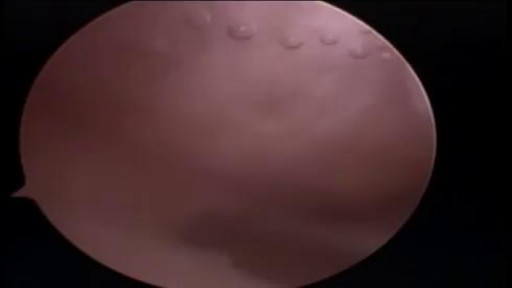
Surgery to repair a torn rotator cuff most often involves re-attaching the tendon to the head of humerus (upper arm bone). A partial tear, however, may need only a trimming or smoothing procedure called a debridement. A complete tear is repaired by stitching the tendon back to its original site on the humerus.
