
I migliori video
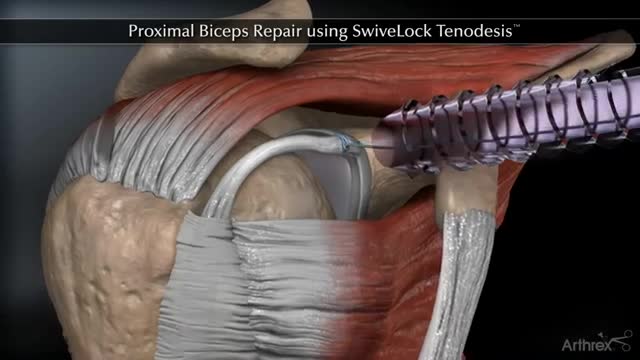

Proximal Biceps Repair using SwiveLock Tenodesis
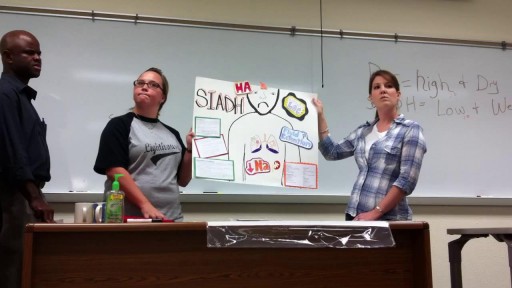
In this condition, the body retains water instead of excreting it normally in urine. This process upsets the body's balance of minerals called electrolytes, especially sodium. Symptoms can vary depending on how rapidly the condition develops. In some cases, nausea and vomiting, headache, confusion, weakness, and fatigue may be experienced. Treatments include fluid restriction and, possibly, medications to adjust electrolyte balance. Underlying conditions also need treatment.

Percutaneous transluminal coronary angioplasty (PTCA) is a minimally invasive procedure to open up blocked coronary arteries, allowing blood to circulate unobstructed to the heart muscle.
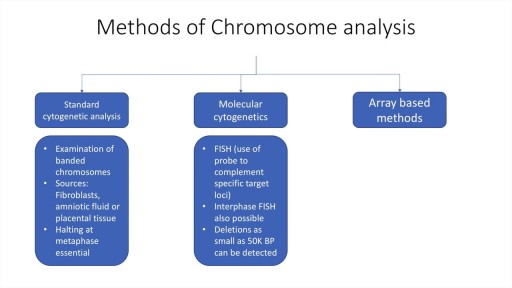
A brief description of the mechanisms, types and assessment of chromosomal analyses. Techniques such as standard cytogenetic testing, FISH and array methods are discussed. Indications for testing in prenatal, neonatal and adult periods are also discussed. Deletions, translocations, inversions etc are described, as are mosaicism and aneuploidy.
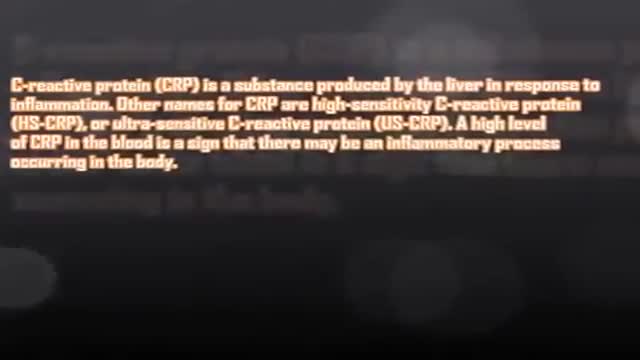
A C-reactive protein (CRP) test is a blood test that measures the amount of a protein called C-reactive protein in your blood. C-reactive protein measures general levels of inflammation in your body. High levels of CRP are caused by infections and many long-term diseases.

The first stage of labor is the longest and involves three phases: Early Labor Phase –The time of the onset of labor until the cervix is dilated to 3 cm. Active Labor Phase – Continues from 3 cm. until the cervix is dilated to 7 cm.

Appareil Pour La Cellulite, Creme Anti Cellulite Efficace, Anti Cellulite Maison, Café Cellulite--- http://perdre-sa-cellulite.plus101.com --- Cellulite Des Cuisses, Que Faire? Comment Eliminer Vite Sa Cellulite Des Cuisses Avec Des Exercices et L'alimentation cellulite-cuissesMême si la plupart des gens se mettent continuellement à la chasse de la cellulite, jusqu’à ce jour, il n’y a pas encore eu de remèdes miracles. Elle est particulièrement causée par le manque d’activités physiques et une alimentation non équilibrée. Elle apparaît souvent sur les fesses, les hanches et principalement sur les cuisses. Ainsi, pour se débarrasser de la cellulite surtout celle des cuisses, il est important d’avoir une alimentation équilibrée et de pratiquer des exercices sportifs. Il vous suffit de suivre les recommandations dans la vidéo ci-dessous qui vous aideront à tonifier vos jambes de manière efficaces, ainsi réduisant la présence de la cellulite sur les fesses, hanches et cuisses pour une silhouette plus attirante.CLIQUEZ ICI: http://perdre-sa-cellulite.plus101.com
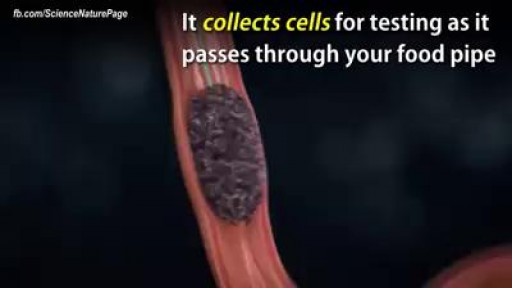
No Need For An Endoscopy With This Cancer-Detecting Sponge.

Diverticula are small, bulging pouches that can form in the lining of your digestive system. They are found most often in the lower part of the large intestine (colon). Diverticula are common, especially after age 40, and seldom cause problems. Sometimes, however, one or more of the pouches become inflamed or infected. That condition is known as diverticulitis (die-vur-tik-yoo-LIE-tis). Diverticulitis can cause severe abdominal pain, fever, nausea and a marked change in your bowel habits. Mild diverticulitis can be treated with rest, changes in your diet and antibiotics. Severe or recurring diverticulitis may require surgery.
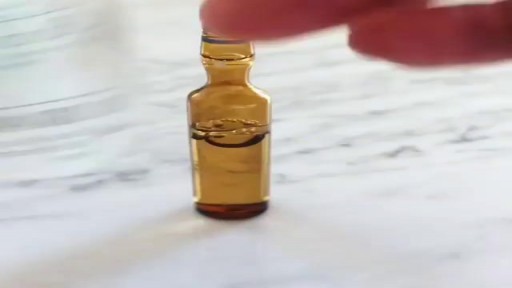
How to open a glass ampoule
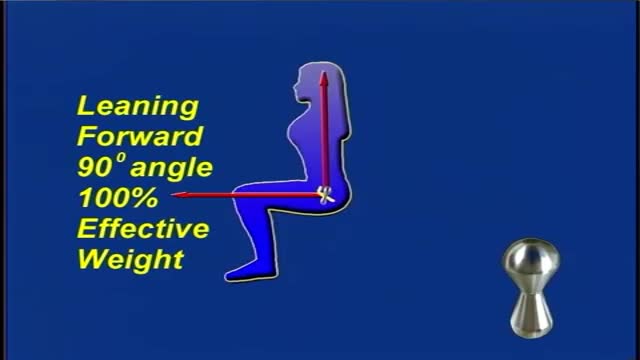
Kegel exercises strengthen the pelvic floor muscles, which support the uterus, bladder, small intestine and rectum. You can do Kegel exercises, also known as pelvic floor muscle training, just about anytime. Start by understanding what Kegel exercises can do for you — then follow step-by-step instructions for contracting and relaxing your pelvic floor muscles.
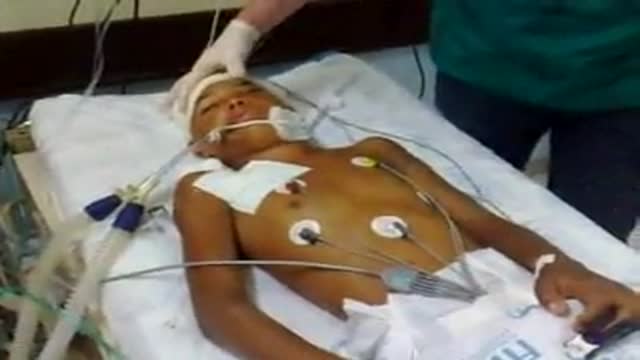
Male 19 y. age victim of penetrating brain injury. All the criteria for the encephalic death diagnosis were present. The presence of this complex spinal reflex doesn't exclude the brain death diagnosis and must be known and understood by the professionals involved in this very important diagnosis
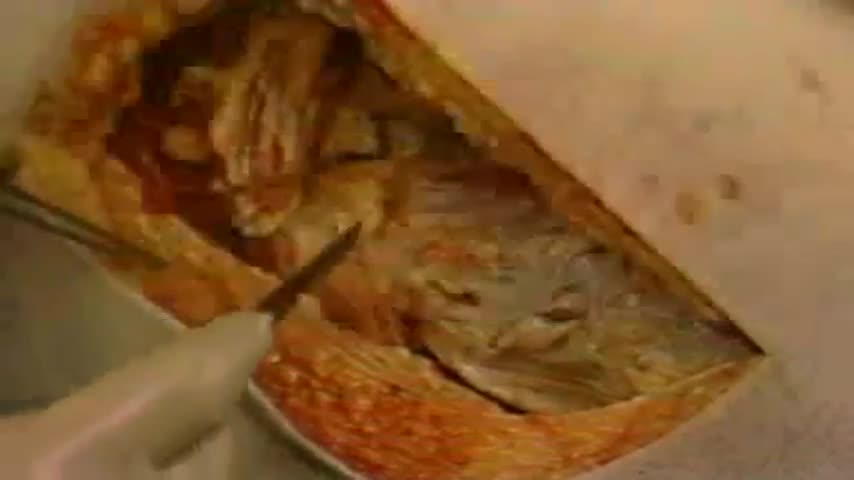
The lateral approach is used for insertion of fixation devices after closed reduction of a proximal femoral fracture. Reduction of a displaced fracture is usually done with a fracture table, or alternatively a large distractor spanning the hip joint. After satisfactory reduction is confirmed by image intensifier, the lateral approach can be used for insertion of a sliding hip screw or multiple screws. The approach provides limited access to the lateral surface of the femur sufficient for hardware placement. The incision can be extended proximally to accommodate a trochanteric stabilizing plate (TSP), or even anteriorly so that it becomes an anterolateral approach with direct, although limited, access to the femoral neck.
Paget's disease of the breast or Paget disease of the breast (/ˈpædʒᵻt/, rhymes with "gadget") (also known as Paget's disease of the nipple) is a malignant condition that outwardly may have the appearance of eczema, with skin changes involving the nipple of the breast.
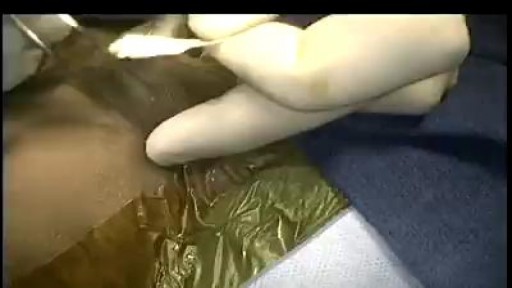
Minimally invasive surgery has been shown to be feasible and safe in pediatric patients since 1975 when laparoscopic surgery was first used to treat a small bowel obstruction. Laparoscopy is an option for surgical repair of inguinal hernias in addition to the traditional open approach.
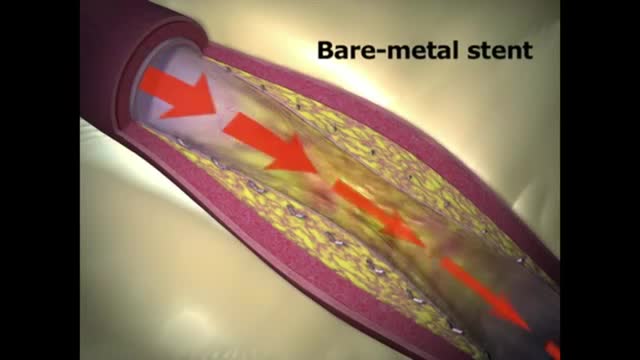
INDICATIONS The Absorb GT1 Bioresorbable Vascular Scaffold (BVS) is a temporary scaffold that will fully resorb over time and is indicated for improving coronary luminal diameter in patients with ischemic heart disease due to de novo native coronary artery lesions (length ≤ 24 mm) with a reference vessel diameter of ≥ 2.5 mm and ≤ 3.75 mm WHAT ARE THE POTENTIAL RISKS AND COMPLICATIONS? Treatment options for CAD have become increasingly common but, as with any invasive procedure, there are potential risk factors and complications. Serious complications do not occur often, and research is ongoing to make these procedures even safer and more effective. The risk of complications from percutaneous treatment methods may be higher for individuals: 75 years of age and older Who are women Who have kidney disease or diabetes Who have serious heart disease Who have had prior cardiac interventions

Every woman is different. So are her experiences of pregnancy. Not every woman has the same symptoms or even the same symptoms from one pregnancy to the next. Also, because the early symptoms of pregnancy often mimic the symptoms you might experience right before and during menstruation, you may not realize you're pregnant. What follows is a description of some of the most common early symptoms of pregnancy. You should know that these symptoms may be caused by other things besides being pregnant. So the fact that you notice some of these symptoms does not necessarily mean you are pregnant. The only way to tell for sure is with a pregnancy test.

Testosterona En Hombres, Producir Mas Testosterona, Aumentar Deseo Hombre, Baja Testosterona --- http://aumentar-testosterona.good-info.co/ -- ¿Sus testículos son pequeños o se están encogiendo? La atrofia testicular es un enorme problema para los hombres hoy en día, lo sé porque recibo muchos correos electrónicos referentes al tema. Y no solo se ven afectados los hombres más viejos, es francamente aterrador ver cuántos correos electrónicos recibo de hombres jóvenes, y cuando quiero decir jóvenes estoy hablando de hombres de 16, 17 y 18 años de edad. A esta edad sus testículos no deberían encogerse, deberían estar enormes, plenos y pesados de semen, a los 18 años de edad deberían ser una máquina de producir esperma. Pero incluso a los 60 años y más allá, debería estar produciendo una cucharadita de esperma por eyaculación, si no es así tiene trabajo que hacer. Vamos a llegar a la raíz de su problema y a trazar un plan para revertir los testículos que se achican, pero en primer lugar, quiero hablar acerca de los factores del estilo de vida en los hombres jóvenes modernos. Los hombres maduros también necesitan prestar atención a esto, porque mucho de esto también se aplica a ellos. Estos días está de moda ser vegetariano, ingerir mucha hierba de trigo, queso de soya y carbohidratos, se toma leche de soya en lugar de leche entera. Asi mismo, en lugar de comer carne de res alimentada con pasto y salmón salvaje se ingieren hamburguesas de tofu y salchichas de tofu La soya secará sus testículos, en un reciente estudio de la University of Medicine and Dentistry of New Jersey, los científicos probaron polvo de proteína de soya en los hombres y llegaron a la siguiente conclusión: La testosterona sérica disminuyó en un 19% durante las primeras 4 semanas de uso de proteína de soya en polvo y siguió alto durante las 2 semanas posteriores a que descontinuara el consumo de proteína de soya en polvo. aumentar tu virilidad, libido y energia naturalmente haciendo click aqui http://aumentar-testosterona.good-info.co/
