Top videos

samer kareem
2,080 Views ยท 2 years ago

Kidney failure and transplant options One of the most serious complications of polycystic kidney disease is kidney failure. This is when the kidneys are no longer able to filter waste products, maintain fluid balance, and maintain blood pressure on their own. When this occurs, your doctor will discuss options with you that may include a kidney transplant or dialysis treatments to act as artificial kidneys. If your doctor does place you on a kidney transplant list, there are several factors that determine your placement. These include your overall health, expected survival, and time you have been on dialysis. Itโ€™s also possible that a friend or relative could donate a kidney to you. Because people can live with only one kidney with relatively few complications, this can be an option for families who have a willing donor. The decision to undergo a kidney transplant or donate a kidney to a person with kidney disease can be a difficult one. Speaking to your nephrologist can help you weigh your options. You can also ask what medications and treatments can help you live as well as possible in the meantime. According to the University of Iowa, the average kidney transplant will allow kidney function from 10 to 12 years.

samer kareem
10,710 Views ยท 2 years ago

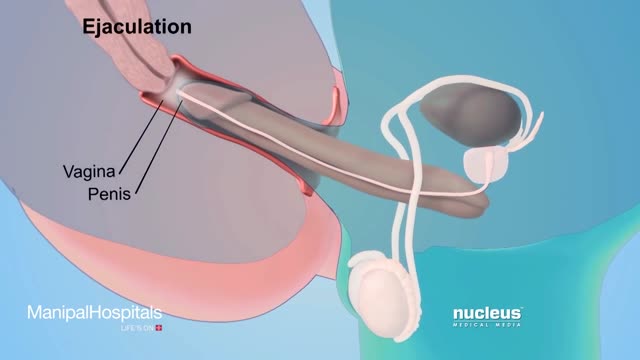
Sperm Meets Egg: Weeks 1 to 3 of Pregnancy. Something magical is about to happen! Watch as the ovulation process occurs, and then millions of sperm swim upstream on a quest to fertilize an egg. ... The egg travels down the fallopian tube, pushed by tiny hairs and awaits the arrival or sperm.

Marky123
2,554 Views ยท 2 years ago

http://sciatica-rimedi.good-info.co Nervo Sciatico, Accavallamento Nervi, Lombosciatalgia Sintomi E Cure, Dolore Coscia, Sciatica. Come curare la sciatica a casa Se hai avuto abbastanza sciatalgia a dirigere la tua vita, non disperare! ti mostrerรฒ tre dei piรน comuni trattamenti casalinghi per la sciatica, e come usarli per ridurre il dolore in modo rapido. La parte migliore di questi trattamenti รจ che possono curare la sciatica, e non solo coprire il dolore. Quindi, cominciamo... 1. Programma di esercizi a casa I programmi di esercizio sono una componente importante di qualsiasi piano di trattamento della sciatica. Con l'allungamento e il rafforzamento di parti del corpo che possono causare l'irritazione del nervo sciatico, รจ possibile ridurre il dolore e accelerare il recupero. Gli esercizi piรน efficaci dipendono dalla ragione di fondo per cui soffri di sciatica. La sciatica causata da un'ernia del disco, per esempio, non viene trattata con gli stessi esercizi della sciatica causata da stenosi spinale. รˆ anche importante mantenere il corpo rilassato, per consentirgli di guarire. Un modo grandioso per farlo, senza aggravare la tua condizione, รจ camminare a ritmo sostenuto. Altre attivitร  leggere possono avere un effetto simile, ma se qualcosa fa male รจ necessario fermarsi immediatamente. Suggerimento gratuito: รจ essenziale che non ci si riduca a letto a causa del dolore. Stare sdraiati a letto per piรน di due giorni ha dimostrato peggiorare la sciatica, perchรฉ i muscoli si irrigidiscono e si indeboliscono. 2. Bilancia la tua dieta Curare la sciatica in modo permanente, spesso significa trattare piรน che la semplice causa fisica. Per impedire che il dolore si ripresenti, dovrai anche migliorare la tua dieta. Uno dei modi piรน semplici per ridurre il dolore associato con sciatica รจ quello di bere piรน acqua. Quando si รจ disidratati, parti della colonna vertebrale si sgonfiano. Questo puรฒ causare ulteriore pressione sul nervo sciatico. Se possibile, si dovrebbe anche cercare di evitare alimenti infiammatori. Gli alimenti infiammatori sono troppi, per elencarli in questo articolo, ma qualsiasi alimento dotato di elevato contenuto di zucchero puรฒ, potenzialmente, portare a infiammazione e ad aumento del dolore. 3. Rimedi casalinghi I rimedi casalinghi possono fare una grande differenza per tua sciatalgia, spesso in tempi relativamente brevi. La cosa grandiosa dei rimedi casalinghi รจ che non richiedono prescrizione o ingredienti costosi. Uno dei piรน semplici rimedi casalinghi sono le noccioline. Questo perchรฉ le arachidi contengono un sacco di magnesio, che รจ cruciale per consentire muscoli di rilassarsi.

samer kareem
4,094 Views ยท 2 years ago

More than 1 million Americans suffer a heart attack every year. Traditional symptomsโ€”chest pain or pressure, cold sweat, extreme weaknessโ€”are well known. But there are more subtle signs youโ€™re having or are about to have a heart attack that can be easy to miss. If you experience any of the following symptoms, see a doctor. Noticing heart attack signs early and getting prompt treatment can save your life.

Scott
6,119 Views ยท 2 years ago

Rotationplasty is a type of autograft wherein a portion of a limb is removed, while the remaining limb below the involved portion is rotated and reattached. This procedure is used when a portion of an extremity is injured or involved with a disease, such as cancer. Typically, the ankle joint becomes the knee joint.

samer kareem
5,930 Views ยท 2 years ago

A torn meniscus is one of the most common knee injuries. Any activity that causes you to forcefully twist or rotate your knee, especially when putting your full weight on it, can lead to a torn meniscus. Each of your knees has two menisci โ€” C-shaped pieces of cartilage that act like a cushion between your shinbone and your thighbone. A torn meniscus causes pain, swelling and stiffness. You also might feel a block to knee motion and have trouble extending your knee fully. Conservative treatment โ€” such as rest, ice and medication โ€” is sometimes enough to relieve the pain of a torn meniscus and give the injury time to heal on its own. In other cases, however, a torn meniscus requires surgical repair.

samer kareem
1,821 Views ยท 2 years ago

The occurrence and extent of cerebral infarction is determined by three basic factors: i) site of arterial occlusion, ii) the rapidity of arterial occlusion, and iii) the presence or absence of collateral circulation. Grossly, infarcts are usually divided into pale (non-hemorrhagic) and hemorrhagic types. Infarcts evolve over time, thus their gross appearance gives a clue to when they occurred. The temporal evolution of an infarct occurs in three stages: i) acute (1 day โ€“ 1 week) โ€“ the involved area is soft and edematous and there is a blurring of anatomic detail; ii) subacute (1 week โ€“ 1 month) โ€“ there is obvious tissue destruction and liquefactive necrosis of the involved brain; iii) chronic (>1 month) โ€“ the damaged tissue has been phagocytized and there is cavition with surrounding gliosis. Microscopically there is also a temporal evolution of cerebral infarcts. During the earliest phase of infarction (0-48 hours) chromatolysis and swollen eosinophilic neurons are seen. Neuronal cell necrosis and an acute inflammatory response are usually seen from 24-72 hours. This response is typically followed by an influx of mononuclear cells which begin to phagocytize necrotic debris (3-5 days). From 1-2 weeks after the infarct there is vascular proliferation and reactive astrocytosis. Over time (>1 month) the necrotic tissue will be completely removed and a cystic cavity surrounded by a glial scar will be formed.

samer kareem
6,597 Views ยท 2 years ago

Prediabetes means that your blood sugar level is higher than normal but not yet high enough to be type 2 diabetes. Without lifestyle changes, people with prediabetes are very likely to progress to type 2 diabetes. If you have prediabetes, the long-term damage of diabetes โ€” especially to your heart, blood vessels and kidneys โ€” may already be starting. There's good news, however. Progression from prediabetes to type 2 diabetes isn't inevitable. Eating healthy foods, incorporating physical activity in your daily routine and maintaining a healthy weight can help bring your blood sugar level back to normal. Prediabetes affects adults and children. The same lifestyle changes that can help prevent progression to diabetes in adults might also help bring children's blood sugar levels back to normal.

samer kareem
3,072 Views ยท 2 years ago

A pheochromocytoma (fee-o-kroe-moe-sy-TOE-muh) is a rare, usually noncancerous (benign) tumor that develops in cells in the center of an adrenal gland. You have two adrenal glands, one above each kidney. Your adrenal glands produce hormones that give instructions to virtually every organ and tissue in your body. If you have a pheochromocytoma, an adrenal gland releases hormones that cause persistent or episodic high blood pressure. If left untreated, a pheochromocytoma can result in severe or life-threatening damage to other body systems, especially the cardiovascular system. Most people with a pheochromocytoma are between the ages of 20 and 50, but the tumor can develop at any age. Surgical treatment to remove a pheochromocytoma usually returns blood pressure to normal.

samer kareem
6,777 Views ยท 2 years ago

Constrictive pericarditis is the result of scarring and consequent loss of the normal elasticity of the pericardial sac. This leads to impairment of ventricular filling in mid and late diastole. As a result, the majority of ventricular filling occurs rapidly in early diastole and the ventricular volume does not increase after the end of the early filling period. Restrictive cardiomyopathy is characterized by a nondilated rigid ventricle, resulting in severe diastolic dysfunction and restrictive filling that produces hemodynamic changes similar to those in constrictive pericarditis. Constrictive pericarditis and restrictive cardiomyopathy both lead to diastolic heart failure with normal (or near normal) systolic function, and characteristically abnormal ventricular filling that results in similar clinical and hemodynamic features. However, because of their markedly different treatments, differentiating between the two conditions is critical. In some patients, the correct diagnosis may be readily suggested from the history or routine diagnostic testing. In others, however, this differentiation cannot be diagnosed before biopsy or even surgical exploration.

samer kareem
9,032 Views ยท 2 years ago

Stem-cell therapy is the use of stem cells to treat or prevent a disease or condition. Bone marrow transplant is the most widely used stem-cell therapy, but some therapies derived from umbilical cord blood are also in use...

samer kareem
6,305 Views ยท 2 years ago

Tests. This test tracks electrical signals from the brain. There are a number of blood tests that may be recommended as part of your epilepsy diagnosis and treatment. A positron emission tomography (PET) scan may be used to locate the part of the brain that is causing seizures.

samer kareem
1,728 Views ยท 2 years ago

Encourage your child to drink lots of fluids to prevent dehydration. Milk and water are both fine. However, if your child refuses solids, give your child just milk, rather than water. ... Keep giving your child table foods while he has diarrhea. Diarrhea is most often spread through fecally contaminated food, hands or surfaces touched by objects or hands put into the mouth (fecal-oral route).Water contaminated by human or animal feces (e.g., swimming pools) or trips to sites with animals (e.g., farms, pet stores, petting zoos) are also possible routes of ... The best foods for your child are easily digestible foods, such as rice cereal, pasta, breads, cooked beans, mashed potatoes, cooked carrots, applesauce, and bananas. Pretzels or salty crackers can help your child replace the salt lost from diarrhea. Foods containing large amounts of sugar or fat should be avoided.

samer kareem
4,668 Views ยท 2 years ago

Esophageal atresia is an abnormality, or birth defect, of the esophagus that occurs early in pregnancy, as the baby is developing. The esophagus forms in the first few months of fetal life as a long, hollow, continuous tube joining the mouth to the stomach. In newborns with this birth defect, formation of this continuous esophageal tube is interrupted. esophageal-artresia-2In most cases, two separate tubes are formed, an upper (proximal) tube connected to the mouth and a lower (distal) tube connected to the stomach. This seperated tubes are sealed off creating a pouch on either side; the gap between these pounches can be short or very long. Saliva can accumulate in the upper pouch as it cannot drain into the stomach.

samer kareem
10,221 Views ยท 2 years ago

It is a specialized bodily fluid that supplies essential substances and nutrients, such as sugar, oxygen, and hormones to our cells, and carries waste away from those cells, this waste is eventually flushed out of the body in urine, feces, sweat, and lungs (carbon dioxide). Blood also contains clotting agents.

samer kareem
7,976 Views ยท 2 years ago

It's a symptom of heart disease but typically does not cause permanent damage to the heart. It is, though, a sign that you are a candidate for a heart attack at some point in the future. The chest pain may spread to your arm, shoulder, jaw, or back. It may feel like a pressure or squeezing sensation.

samer kareem
18,500 Views ยท 2 years ago

Closed Reduction of Distal Radius Fractures - Discussion: (distal radius fracture menu) - closed reduction & immobilization in plaster cast remains accepted method of treatment for majority of stable distal radius frx; - unstable fractures will often lose reduction in the cast and will slip back to the pre-reduction position; - patients should be examined for carpal tunnel symptoms before and after reduction; - carpal tunnel symptoms that do not resolve following reduction will require carpal tunnel release; - cautions: - The efficacy of closed reduction in displaced distal radius fractures. - Technique: - anesthesia: (see: anesthesia menu) - hematoma block w/ lidocaine; - w/ hematoma block surgeon should look for "flash back" of blood from hematoma, prior to injection; - references: - Regional anesthesia preferable for Colles' fracture. Controlled comparison with local anesthesia. - Neurological complications of dynamic reduction of Colles' fractures without anesthesia compared with traditional manipulation after local infiltration anesthesia. - methods of reduction: - Jones method: involves increasing deformity, applying traction, and immobilizing hand & wrist in reduced position; - placing hand & wrist in too much flexion (Cotton-Loder position) leads to median nerve compression & stiff fingers; - Bohler advocated longitudinal traction followed by extension and realignment; - consider hyper-extending the distal fragment, and then translating it distally (while in extended position) until it can be "hooked over" proximal fragment; - subsequently, the distal fragment can be flexed (or hinged) over the proximal shaft fragment; - closed reduction of distal radius fractures is facilitated by having an assistant provide counter traction (above the elbow) while the surgeon controls the distal fragment w/ both hands (both thumbs over the dorsal surface of the distal fragment); - flouroscopy: - it allows a quick, gentle, and complete reduction; - prepare are by prewrapping the arm w/ sheet cotton and have the plaster or fibroglass ready; - if flouroscopy is not available, then do not pre-wrap the extremity w/ cotton; - it will be necessary to palpate the landmarks (outer shaped of radius, radial styloid, and Lister's tubercle, in order to judge success of reduction; - casting: - generally, the surgeon will use a pre-measured double sugar sugar tong splint, which is 6-8 layers in thickness; - more than 8 layers of plaster can cause full thickness burns: - reference: Setting temperatures of synthetic casts. - position of immobilization - follow up: - radiographs: - repeat radiographs are required weekly for 2-3 weeks to ensure that there is maintenance of the reduction; - a fracture reduction that slips should be considered to be unstable and probably require fixation with (pins, or ex fix ect.) - there is some evidence that remanipulation following fracture displacement in cast is not effective for these fractures; - ultimately, whether or not a patient is satisfied with the results of non operative treatment depends heavily on th

samer kareem
5,745 Views ยท 2 years ago

Traumatic brain injury (TBI) is a nondegenerative, noncongenital insult to the brain from an external mechanical force, possibly leading to permanent or temporary impairment of cognitive, physical, and psychosocial functions, with an associated diminished or altered state of consciousness.

samer kareem
6,794 Views ยท 2 years ago

Cosmetic iris implants have not been evaluated by any U.S. regulatory agency or tested for safety in clinical trials. While the implants are not approved by the U.S. Food and Drug Administration, it has been reported in the media this month that the surgery is being performed overseas. During iris implant surgery, an artificial iris made of silicone is folded and inserted into a slit that has been cut into the cornea. Then the iris is unfolded and adjusted to cover the natural iris. Local anesthesia is used.

samer kareem
23,086 Views ยท 2 years ago

6 987 24 MORE How Does Anesthesia Work? Credit: itsmejust | Shutterstock If youโ€™ve ever had surgery, unless you are super tough, youโ€™ve gone through it with the benefit of anesthetics. But, how do these body-numbing elixirs work? Prior to the invention of anesthesia in the mid-1800s, surgeons had to hack off limbs, sew up wounds and remove mysterious growths with nothing to dull the patient's pain but opium or booze. While these drugs may have numbed the patient, they didnโ€™t always completely block the pain, or erase the memory of it. Since then, doctors have gotten much better at putting us out with drug combinations that ease pain, relax muscles and, in some cases, put us in a deep state of hypnosis that gives us temporary amnesia. Today, there are two primary types of anesthesia drugs: those that knockout the whole body (general) and those that only numb things up locally.


Showing 288 out of 395