
- Physical Examination
- Surgical Examination
- Ophthalmology
- Clinical Skills
- Orthopedics
- Surgery Videos
- Laparoscopy
- Pediatrics
- Funny Videos
- Cardiothoracic Surgery
- Nursing Videos
- Plastic Surgery
- Otorhinolaryngology
- Histology and Histopathology
- Neurosurgery
- Dermatology
- Pediatric Surgery
- Urology
- Dentistry
- Oncology and Cancers
- Anatomy Videos
- Health and Fitness
- Radiology
- Anaesthesia
- Physical Therapy
- Pharmacology
- Interventional Radiology
- Cardiology
- Endocrinology
- Gynecology
- Emergency Medicine
- Psychiatry and Psychology
- Childbirth Videos
- General Medical Videos
- Nephrology
- Physiology
- Diet and Food Health
- Diabetes Mellitus
- Neurology
- Women Health
- Osteoporosis
- Gastroenterology
- Pulmonology
- Hematology
- Rheumatology
- Toxicology
- Nuclear Medicine
- Infectious Diseases
- Vascular Disease
- Reproductive Health
- Burns and Wound Healing
- Other
Top videos


Home Remedies For Hair Fall And Regrowth, Hair Regrowth, Hair Regrowth Supplements--- http://how-to-regrow-your-hair.info-pro.co/ --- Male Hair Loss Solution, Millions of people all over the world are affected by hair loss, and it’s not only the males that suffer this condition as even females are affected by this problem. What’s sad is that many of the individuals affected by such a condition end up just accepting what is happening to their hair due to lack of information or options. Living their life hiding under cover from wigs or toupee’s when there are actually better options around the corner waiting for them. For males though losing their hair can be devastating, which is why many are sent scrambling for the next most effective male hair loss solution that they can get their hands on. There are actually many solutions that you can try if you want to stop your hair from falling out. Now, it’s a very big possibility that some of the methods that will be mentioned here you might have already heard of or even tried before, but, there is also a chance that you might be able to get an idea for an entirely new technique which will be able to help you out as well. So without further ado, here are some of the male hair loss solutions that you can try out: Block DHT: DHT is a hormone that is manufactured in the bloodstream due to excesses in the testosterone levels and is the main leading cause of male baldness. Simply put, DHT is a hormone that clings to your hair follicles and kills them – slowly. The three mentioned above are just for starters as well because there are so many more methods that you will be able to choose from when it comes to male hair loss solution. If you are looking for a definitive guide however, one can be found at http://how-to-regrow-your-hair.info-pro.co/

TV interview with Dr. Mostafa Yakoot, MD discussing latest researches on herbal drugs
What happens to our bodies after we die?
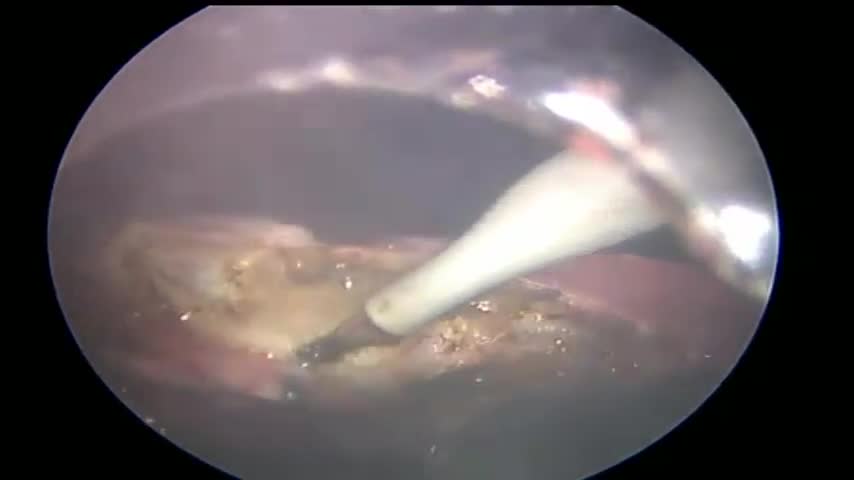
TRANSUMBILICAL SINGLE SITE LAP CHOLYCYSTECTOMY

one of the best videos I've ever seen..
Plastic Surgery New York Dr. Carlin Vickery of 5th Avenue Aesthetics Surgery in Manhattan
(http://www.5thavesurgery.com) speaks at a Fab Over 50 event on having great breasts after the age
of 50. In this presentation Dr. Carlin shares patient results by providing before and after pictures from
different types of breast surgeries including breast lifts, implants and reductions.
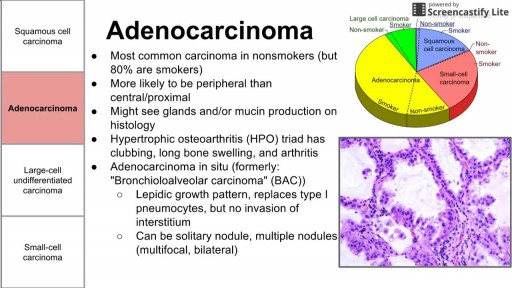
There are three main types of lung cancer. Knowing which type you have is important because it affects your treatment options and your outlook (prognosis). If you aren’t sure which type of lung cancer you have, ask your doctor so you can get the right information.
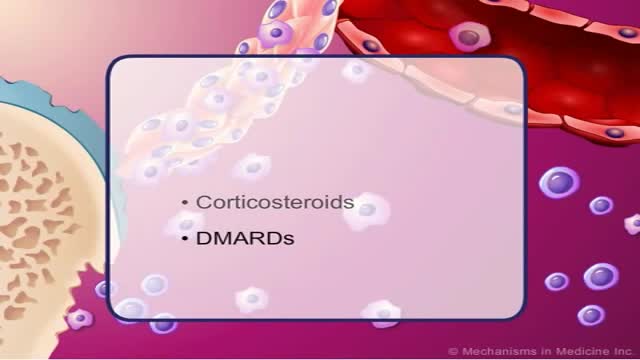
Rheumatoid arthritis is a chronic inflammatory disorder that can affect more than just your joints. In some people, the condition also can damage a wide variety of body systems, including the skin, eyes, lungs, heart and blood vessels. An autoimmune disorder, rheumatoid arthritis occurs when your immune system mistakenly attacks your own body's tissues. Unlike the wear-and-tear damage of osteoarthritis, rheumatoid arthritis affects the lining of your joints, causing a painful swelling that can eventually result in bone erosion and joint deformity. The inflammation associated with rheumatoid arthritis is what can damage other parts of the body as well. While new types of medications have improved treatment options dramatically, severe rheumatoid arthritis can still cause physical disabilities.

How To Improve Memory Power, How To Improve Concentration And Memory, Foods That Help The Brain---- http://brain-revitalizer.info-pro.co --- Brain Entrainment, For centuries humans have wondered at the connection between specific sound frequencies and the effect it can have on the brain and corresponding moods and emotions. From tribal drums to periodic stimulus tones the human brain taps into dominant external frequencies and when it does the mind can be altered to induce a host of different states including relaxation, sleep, creativity and excitement. The practice of causing brainwave frequencies to match a periodic stimulus to produce an intended state is called brainwave entrainment or brainwave synchronization and it is becoming more popular as life becomes more stressful. The study of sound and light and how it affects the human brain is nothing new. In the 1930's William Grey Walter used EEG equipment and strobe lights to detect the existence of high speed alpha waves and low speed delta waves and how each played a factor in human sleep patterns. In 1973 Gerald Oster published his discovery of binaural beats in Scientific American, a breakthrough article that defined binaural beats as apparent sounds which arise in the brain for specific physical stimuli. Though first discovered in 1839 by Heinrich Wilhelm Dove it wasn't until Oster's research that scientists began to speculate that binaural beats could be used to help induce relaxation, creativity and other desirable mental states. Today brainwave entrainment is gaining rapid popularity with people who feel over-stressed, depressed and unmotivated. With technology growing by leaps and bounds it's not hard to understand how a person can feel overwhelmed by information and sensory overload and instead of taking pills a growing segment of the population is turning to brainwave entrainment to produce a more natural and lasting feeling of relaxation. But YOU can be different! You can use Genius Brain Power to empower your brain so that you come alive with more energy, learn quicker, think more creatively, focus on your work like never before and drastically reduce stress with amazingly deep states of relaxation and meditation. click here: http://brain-revitalizer.info-pro.co

Surgery is an elective procedure done in people who have had extensive testing to decide if they are potential candidates. The following criteria are considered when determining if a person may be a good candidate for surgery. Person has failed adequate trials of two first-line seizure medicines (ones that are commonly effective in controlling the type of seizures the person is experiencing) and one combination of at least two drugs. A trial of a medication is considered adequate when it has been increased gradually to the maximum dosage that does not cause serious side effects. If the person has frequent seizures, any improvement will be obvious after a short time. If the seizures generally occur far apart, however, it may take months to determine whether a medication is helping. At some epilepsy centers, patients are offered additional conventional or experimental medications before surgery is considered. But research suggests that each time a trial of medication fails to control a person's seizures, it becomes less likely that a different medicine or combination will be successful. Since uncontrolled seizures present serious physical risks and social and psychological consequences, the trend these days is to proceed with surgery much sooner than in the past if it seems appropriate for that person.
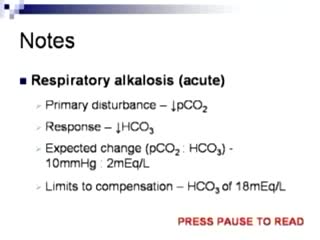
Arterial Blood Gas Sampling
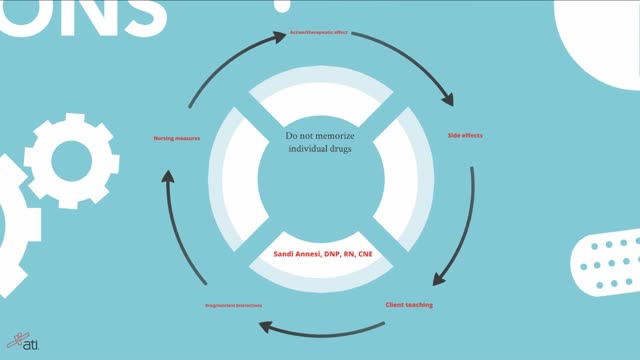
Remembering Medications & The Body Systems Affected

Hepatitis E is a virus that can infect the liver. Unlike other forms of hepatitis, the hepatitis E virus usually doesn't lead to long-term illness or serious liver damage. Most people get well within a few months.
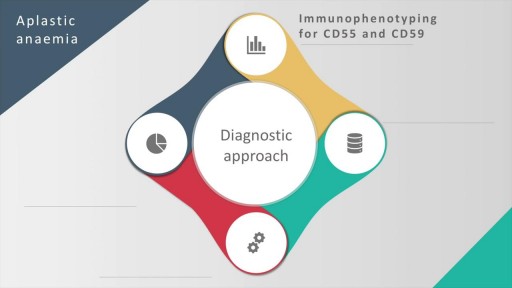
Aplastic anemia is a hematopoietic disorder caused due to T lymphocyte mediated destruction of stem cells resulting in pancytopenia with a cellular bone marrow and normal cell cytogenetics. The causes of aplastic anaemia may be inherited or acquired. The causes and the diagnostic approach, along with spectrum of severity of this disorder is discussed in this presentation. A detailed discussion of the management options, along with pharmacological therapy and supportive therapy in these cases is also discussed. The treatment options include, in addition to a stem cell transplant, anti-thymocyte globulin, cyclosporine, methyprednisolone and eltrombopag (for patients who have failed treatment on combined modality therapy with ATG and cyclosporine)
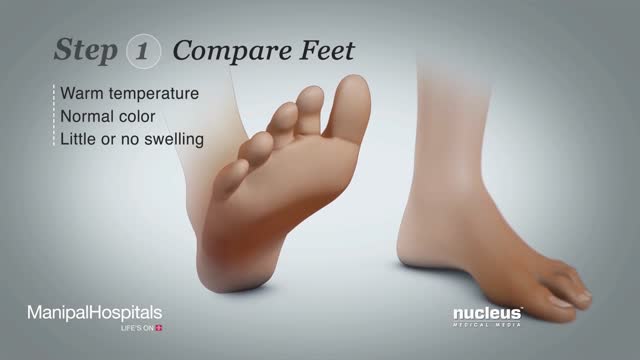
The Blood Flow In Leg

A new study from Mayo Clinic finds the use of the drug therapy etanercept ineffective in treating alcoholic hepatitis, an acute inflammation of the liver caused by excessive consumption of alcohol. Alcoholic hepatitis is a major cause of morbidity and mortality worldwide. Severe alcohol-related liver disease carries a poor prognosis. Several research studies have worked to find a successful treatment for alcoholic hepatitis, but no consensus has been reached on the most effective treatment regimen.

You don't have to play tennis to get tennis elbow. These easy exercises can help:

How to place an NG tube in a baby,
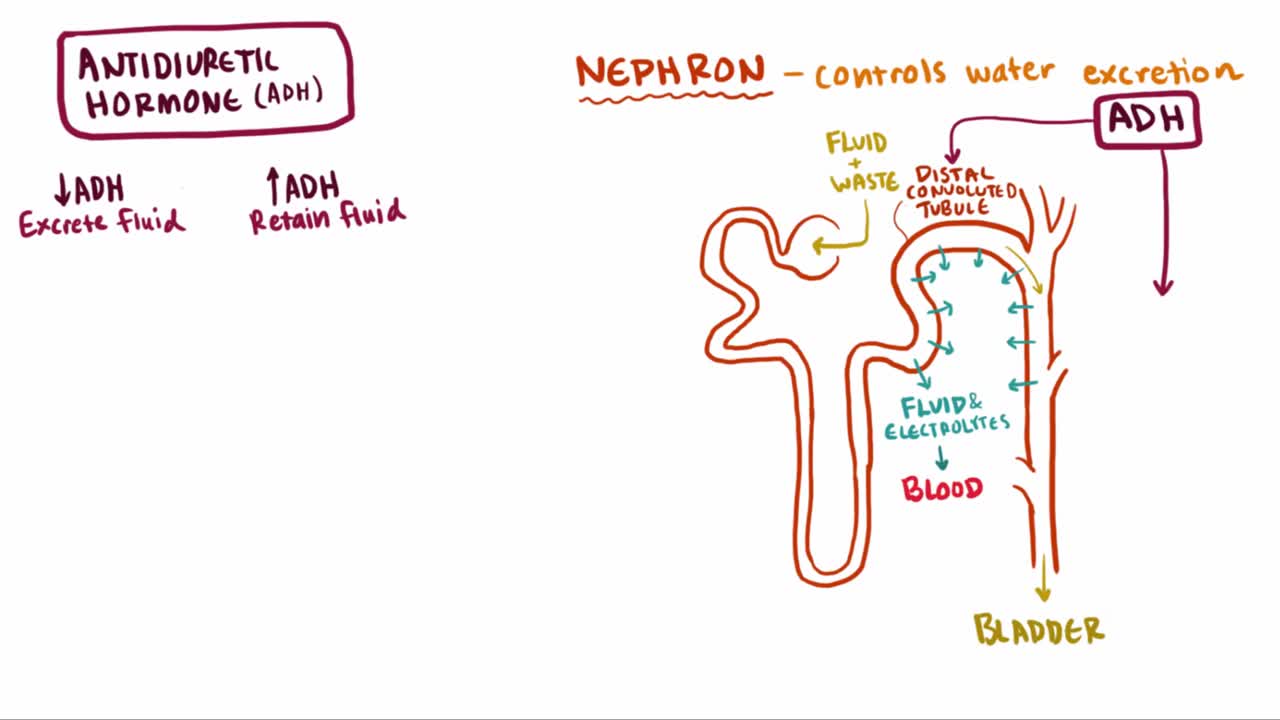
What is syndrome of inappropriate antidiuretic hormone (SIADH)? Well, SIADH is a condition where too much ADH hormone is released, which causes an increase in blood volume and ultimately leads to a series of complications related to the blood osmolality and osmolarity
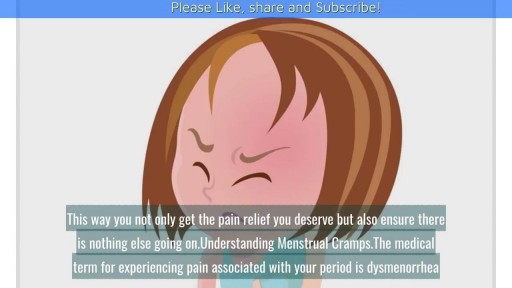
Do I Need to See My Doctor for Menstrual Cramps? || Common gynaecological problems in women It's perfectly normal to experience mild cramps during your period, and the good news is that these cramps can usually be eased with simple therapies like a heating pad or an over-the-counter pain reliever. However, some women's menstrual cramps may not feel better with these basic remedies. If this is the case for you, making an appointment with your doctor is important. This way you not only get the pain relief you deserve but also ensure there is nothing else going on.
