Top videos
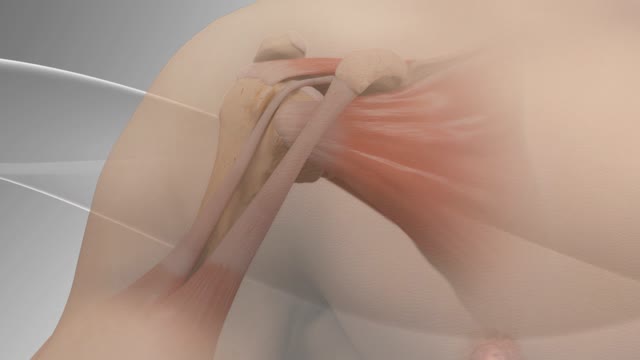
Biceps tenodesis surgery is performed when the biceps tendon is damaged, or the rotator cuff tendon or cartilage ring in the shoulder is torn. The biceps tendon is a strong rope‐like structure connecting the upper end of the biceps muscle to the bones in the shoulder. In biceps tenodesis surgery, the biceps tendon is separated from the shoulder and reattached to the humerus, or the upper arm bone.
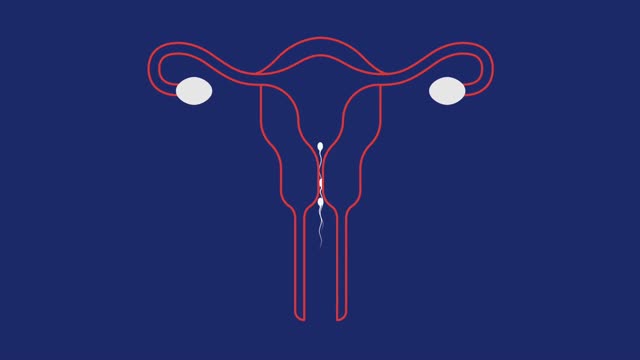
The IUD is birth control that’s very effective and convenient. How does an IUD work to prevent pregnancy?
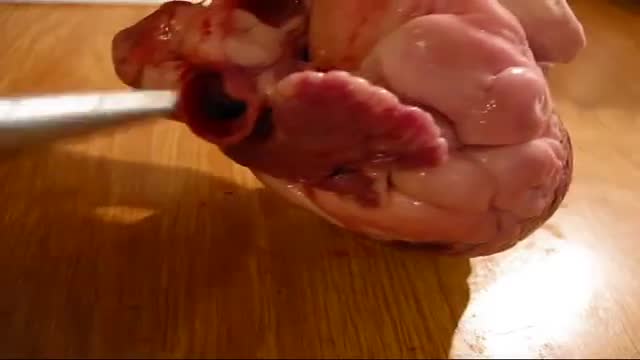
heart dissection / cardiac anatomy
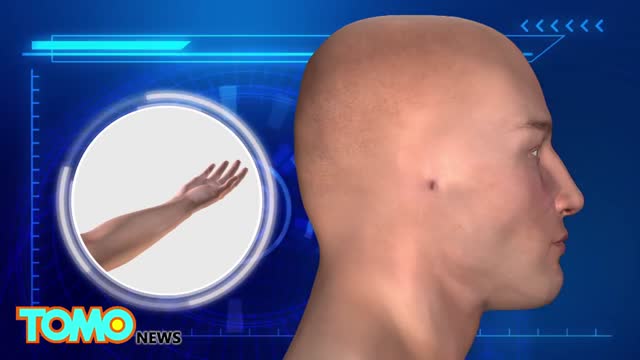
A Chinese hospital in the process of creating a human ear almost entirely through the human anatomy alone.

Is There A Way To Know If I Have An Aortic Aneurysm Before It Ruptures?
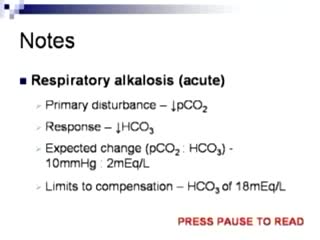
Arterial Blood Gas Sampling
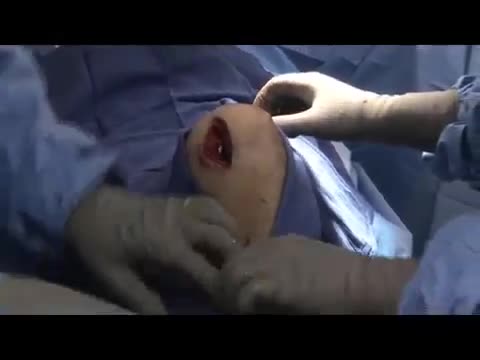
The MAKOplasty® procedure is an FDA-cleared treatment option for patients who suffer from osteoarthritis damage in the medial (inner) portion of the knee. ... Only the diseased portion of your knee is removed, leaving the healthy bone and tissue surrounding it untouched.
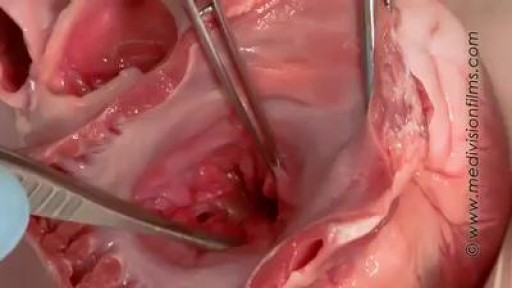
The heart weighs between 7 and 15 ounces (200 to 425 grams) and is a little larger than the size of your fist. By the end of a long life, a person's heart may have beat (expanded and contracted) more than 3.5 billion times. In fact, each day, the average heart beats 100,000 times, pumping about 2,000 gallons. Your heart is located between your lungs in the middle of your chest, behind and slightly to the left of your breastbone (sternum). A double-layered membrane called the pericardium surrounds your heart like a sac. The outer layer of the pericardium surrounds the roots of your heart's major blood vessels and is attached by ligaments to your spinal column, diaphragm, and other parts of your body. The inner layer of the pericardium is attached to the heart muscle. A coating of fluid separates the two layers of membrane, letting the heart move as it beats. Your heart has 4 chambers. The upper chambers are called the left and right atria, and the lower chambers are called the left and right ventricles. A wall of muscle called the septum separates the left and right atria and the left and right ventricles. The left ventricle is the largest and strongest chamber in your heart. The left ventricle's chamber walls are only about a half-inch thick, but they have enough force to push blood through the aortic valve and into your body.
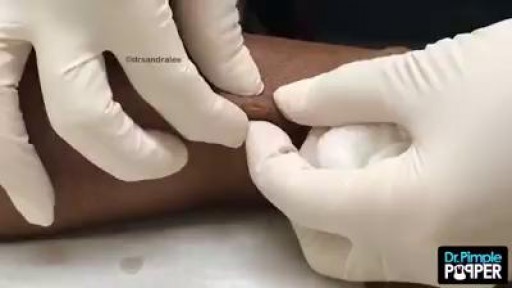
Epidermoid cysts, also called sebaceous, keratin, or epithelial cysts, are small, hard lumps that develop under the skin. These cysts are common. They grow slowly. They do not cause other symptoms and are nearly never cancerous. Epidermoid cysts are often found on the face, head, neck, back, or genitals

Researchers have received approval to bring 20 brain-dead humans back to life
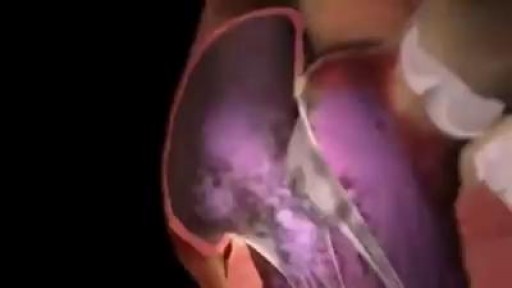
To understand congenital heart defects, it's helpful to know how a healthy heart works. Your child's heart is a muscle about the size of his or her fist. The heart works like a pump and beats 100,000 times a day. The heart has two sides, separated by an inner wall called the septum. The right side of the heart pumps blood to the lungs to pick up oxygen. The left side of the heart receives the oxygen-rich blood from the lungs and pumps it to the body. The heart has four chambers and four valves and is connected to various blood vessels. Veins are blood vessels that carry blood from the body to the heart. Arteries are blood vessels that carry blood away from the heart to the body.

Reactive arthritis is a painful form of inflammatory arthritis (joint disease due to inflammation). It occurs in reaction to an infection by certain bacteria. Most often, these bacteria are in the genitals (Chlamydia trachomatis) or the bowel (Campylobacter, Salmonella, Shigella and Yersinia). Chlamydia most often transmits by sex. It often has no symptoms, but can cause a pus-like or watery discharge from the genitals. The bowel bacteria can cause diarrhea. If you develop arthritis within one month of diarrhea or a genital infection – especially with a discharge – see a health care provider. You may have reactive arthritis. - See more at: https://www.rheumatology.org/i-am-a/patient-caregiver/diseases-conditions/reactive-arthritis#sthash.PukaaQhj.dpuf
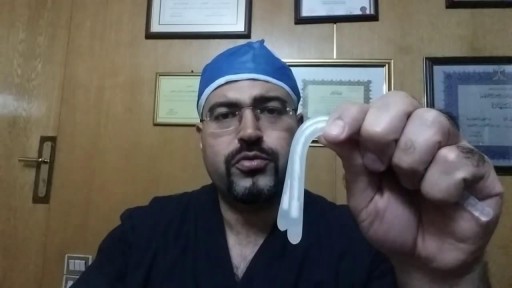
The inflatable penile prosthesis consists of two attached cylinders -- a reservoir and a pump -- which are placed surgically in the body. The two cylinders are inserted in the penis and connected by tubing to a separate reservoir of saline. The reservoir is implanted under the rectus muscles in the lower abdomen. The Coloplast Titan Touch inflatable penile prosthesis is a self-contained, fluid-filled system made from Bioflex and silicone.
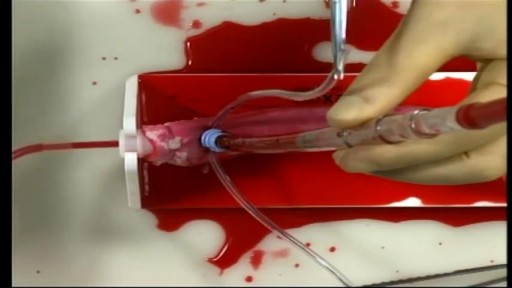
Cardiac Surgical Skills LaboratoryTraining Procedures:/n Aortic Cannulation and Decannulation/nCardiac surgery training
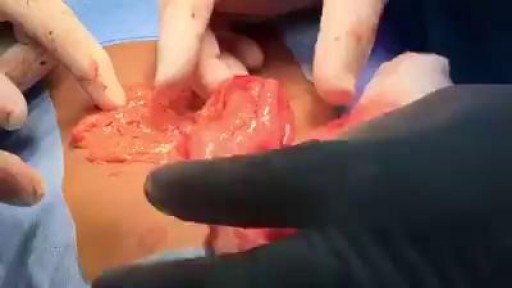
Hairs in Stomach.
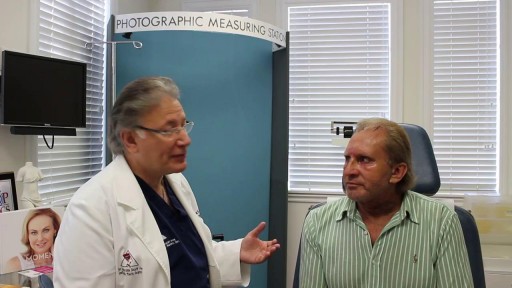
This video was taken 4 days after the surgery. This Patient had a facial rejuvenation procedure performed by Dr. Handal. He was exceptionally pleased with the results. Contact us for a consultation on how our team can help you to look better, (561) 912-9888. https://www.handalplasticsurgery.com
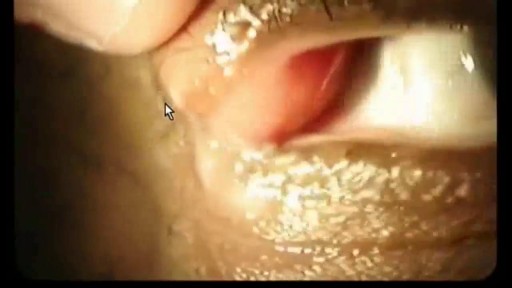
A stye (also called a hordeolum) is a small, red, painful lump that grows from the base of your eyelash or under the eyelid. Most styes are caused by a bacterial infection. There are two kinds of styes: External hordeolum: A stye that begins at the base of your eyelash. Most are caused by an infection in the hair follicle. It might look like a pimple. Internal hordeolum: A stye inside your eyelid. Most are caused by an infection in an oil-producing gland in your eyelid.
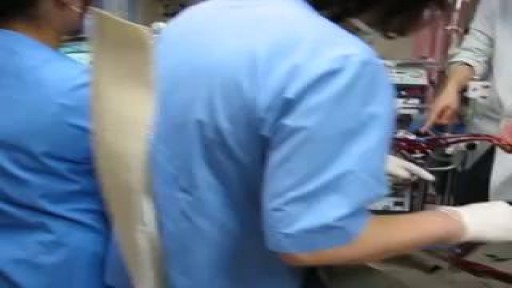
Start of CRRT circuit within ECMO
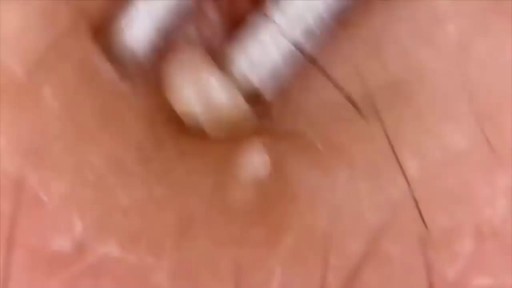
Watch that video of Popping Pimples
Watch that video of Unbelievable Mutations and Medical Condition Photos