
- Physical Examination
- Surgical Examination
- Ophthalmology
- Clinical Skills
- Orthopedics
- Surgery Videos
- Laparoscopy
- Pediatrics
- Funny Videos
- Cardiothoracic Surgery
- Nursing Videos
- Plastic Surgery
- Otorhinolaryngology
- Histology and Histopathology
- Neurosurgery
- Dermatology
- Pediatric Surgery
- Urology
- Dentistry
- Oncology and Cancers
- Anatomy Videos
- Health and Fitness
- Radiology
- Anaesthesia
- Physical Therapy
- Pharmacology
- Interventional Radiology
- Cardiology
- Endocrinology
- Gynecology
- Emergency Medicine
- Psychiatry and Psychology
- Childbirth Videos
- General Medical Videos
- Nephrology
- Physiology
- Diet and Food Health
- Diabetes Mellitus
- Neurology
- Women Health
- Osteoporosis
- Gastroenterology
- Pulmonology
- Hematology
- Rheumatology
- Toxicology
- Nuclear Medicine
- Infectious Diseases
- Vascular Disease
- Reproductive Health
- Burns and Wound Healing
- Other
Top videos
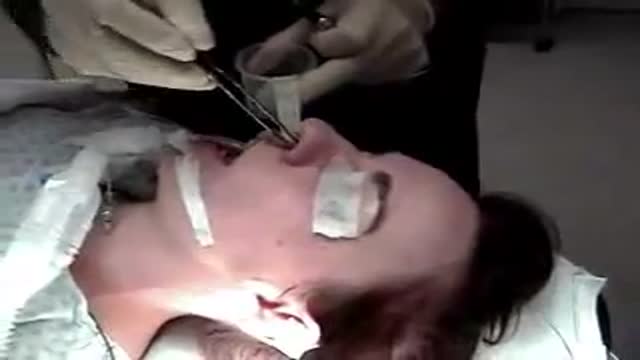

Open rhinoplasty without oseotomies. Basic steps for rasping of dorsal hump and cephalic trim with septoplasty and tip strut.
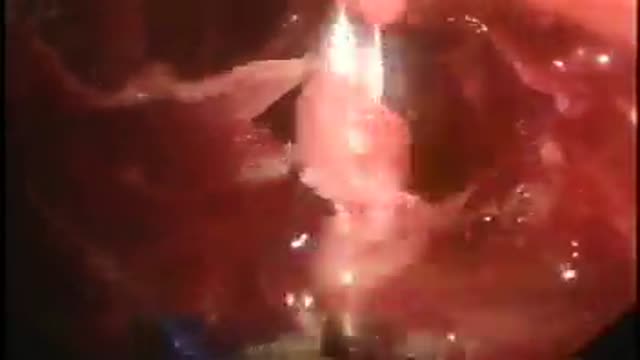
49-years old patient complaining of cough, fever and pleuritic pain for 2 weeks. At admission he was febrile and tachypnic. Chest X-Ray showed left pleural effusion. Thoracocentesis revealed purulent fluid. Chest CT-scan showed large and loculated left pleural effusion and pleural thickening. VATS decortication was performed through three incisions.
Watch that video of Enema Medical Insertion Procedure

Drs. Moore and Miklos are very excited to be one of the first centers in the US to offer the next step in minimally invasive treatment for Stress Urinary Incontinence, the single incision Mini-sling. The procedure utilizes the same concepts of the tension-free tape mid-urethral slings, however only one incision is needed and the procedure can be completed in as little as 5-10 minutes under local anesthesia.
The procedure was initially released in September of 2006 by Gynecare with a procedure called the TVT-Secure and Dr Miklos and Moore were some of the first surgeons to evaluate and study the procedure. They liked the concept of a single incision sling, however were not enthused by the engineering and design of the Secure sling. In early 2007, with development input from Dr Moore and Miklos, American Medical Systems made several improvements to the procedure and in April, Dr Moore was the first surgeon in the United States to place the Mini-Arc mini-sling. Dr Moore’s and Miklos’s center in Atlanta, because of their reputation of being world leader’s in treatment for Stress Urinary Incontinence, was chosen as the lead center in the USA to evaluate and study the Mini-Arc procedure. Dr Moore was chosen as principal investigator, leading 5 centers in the USA and the world, to study and present the initial results in the USA, which have been excellent and very exciting!
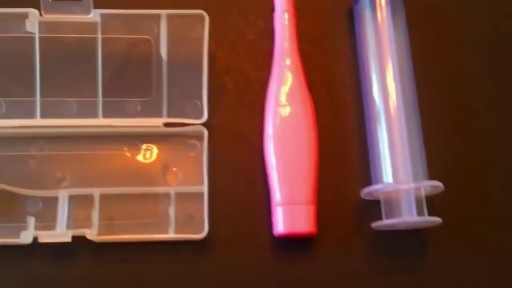
Tonsil Stone Removal with New Tools

Mitral valve repair
An OB/GYN nurse from Erlanger Hospital discusses caring for a newborn baby after a circumcision.
Some tips on obtaining venous blood samples
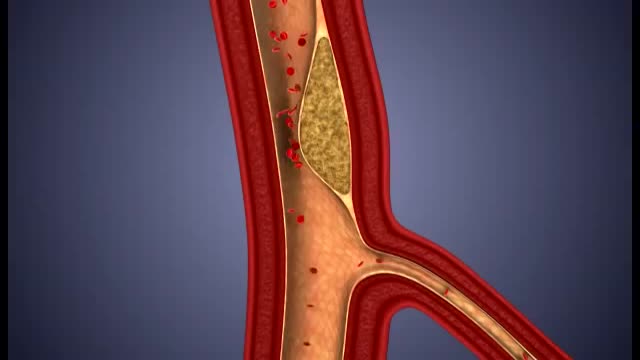
What damage does atherosclerosis cause? Plaque may partially or totally block the blood's flow through an artery in the heart, brain, pelvis, legs, arms or kidneys. Some of the diseases that may develop as a result of atherosclerosis include coronary heart disease, angina (chest pain), carotid artery disease, peripheral artery disease (PAD) and chronic kidney disease.
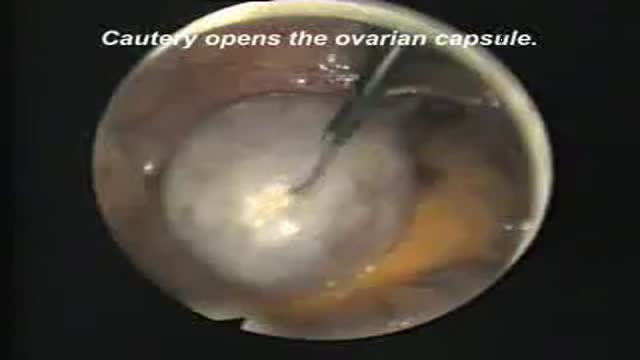
This video shows an ovarian cyst and its removal using a laparoscopic technique.
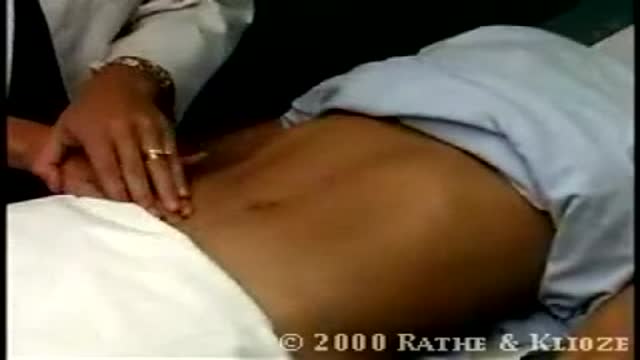
Deep Palpation of the Abdomen
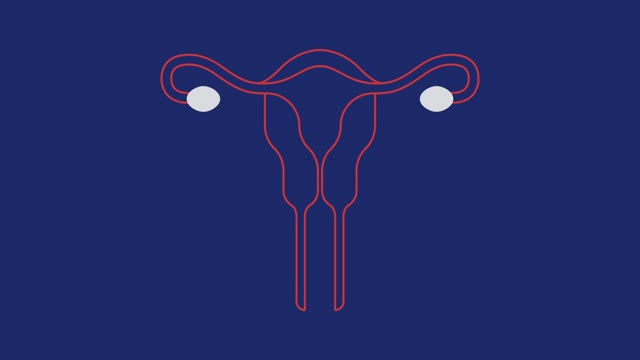
What is a female condom? How do female condoms work to prevent pregnancy and STDs? Learn all about female condoms — also called internal condoms — in this video.
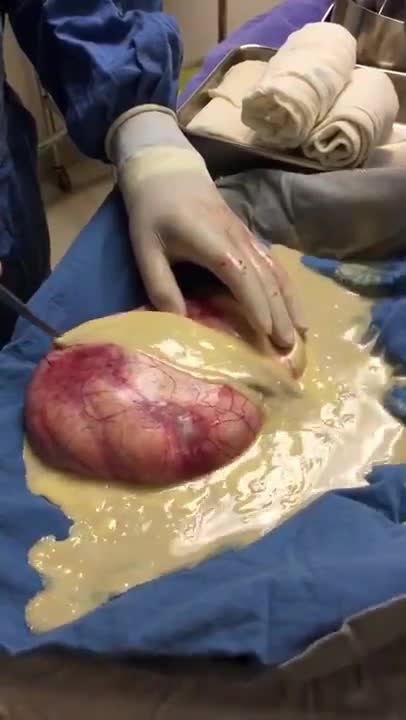
Ovarian teratoma is a type of germ cell tumour. Germ cell tumours are cancers that begin in egg cells in women or sperm cells in men. There are 2 main types of ovarian teratoma. Mature teratoma, which is benign. Immature teratoma, which is cancerous.

Watch that video to know if oral sex causes cancer
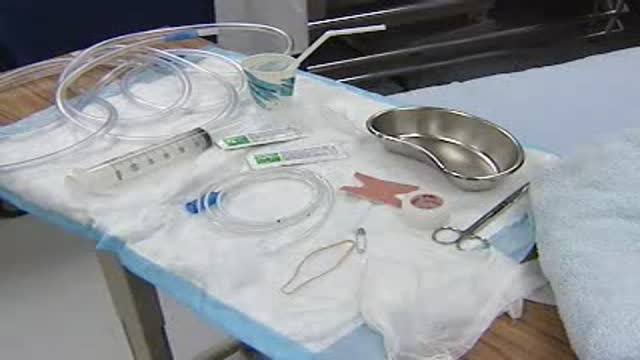
video shows how to insert a nasogatric tube.
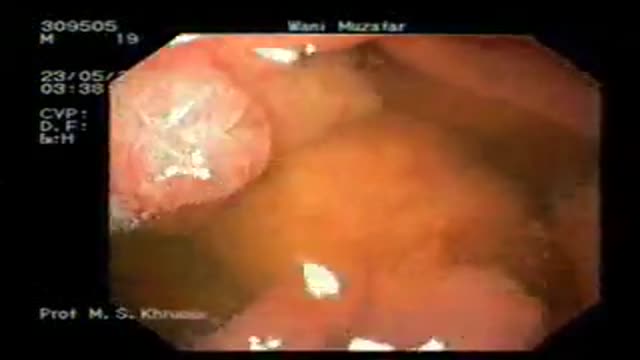
ENDOSCOPIC (NON-SURGICAL) REMOVAL OF MULTIPLE LARGE TUMORS FROM STOMACH IN A PATIENT WITH PEUTZ-JEGHERS SYNDROME
PEUTZ-JEGHERS SYNDROME: Peutz-Jeghers syndrome (PJS) is a familial syndrome consisting of mucocutaneous pigmentation, gastrointestinal polyposis and cancers of gut & other sites like breast, ovary, and testes. PJS has an autosomal dominant inheritance with variable and incomplete penetrance. Germline mutations of STK11/LKB1 gene on 19p cause this syndrome. Mucocutaneous pigmentation may be noted in early infancy. These deposits of melanin are most commonly found around the mouth, nose, lips, buccal mucosa, hands, and feet, and may also be present in perianal and genital areas. PJS polyps may be found in stomach, small intestine, or colon, but they tend to be prominent in the small intestine. These polyps may increase in size and cause small intestinal obstruction or intussusceptions that may occur in early infancy. Acute upper gastrointestinal bleeding and chronic faecal blood may complicate the disease.
PATIENT: The patient was a 25 yr male who had mucocutaneous pigmentation and multiple polyps in the stomach and duodenum. He presented with bleeding from gastric polyps. As the polyps in stomach were numerous, (more than 20 in number) and were large in size (some equal to small egg size), he had been advised to undergo surgery. Surgery planned was total gastrectomy.
PROCEDURE: The patient underwent video-endoscopy of the esophagus, stomach and duodenum. All polyps were examined for size and presence or absence of stalk. A plan to remove all the gastric polyps at endoscopy was made in the same sitting. He received light conscious sedation. Flat polyps were raised form the gastric wall by injection of saline in to polyp base to let these lesions have a stalk. This was done by needle injector. Each polyp was engaged in a snare and the polyp stalk was cut by coagulation cutting current. The cuts were clean without any bleeding. All polyps were recovered for histology. The histology revealed all polyps to be hamartomous lesions. None of the polyps were cancerous. Patient has been followed up for over one year and is doing fine without any further bleeding or pain.
Video shows the procedure of videoendoscpy and endoscopic removal of polyps.
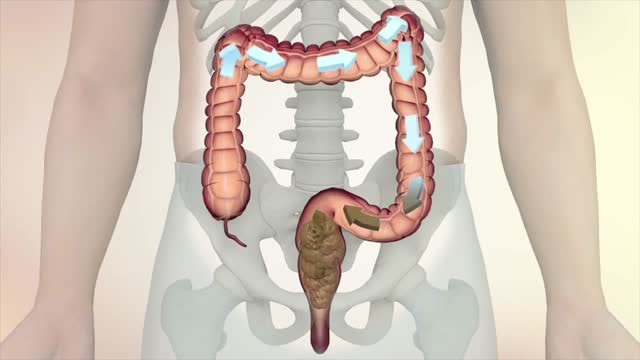
This information is collected from Oncolex. For more on colon and rectum (
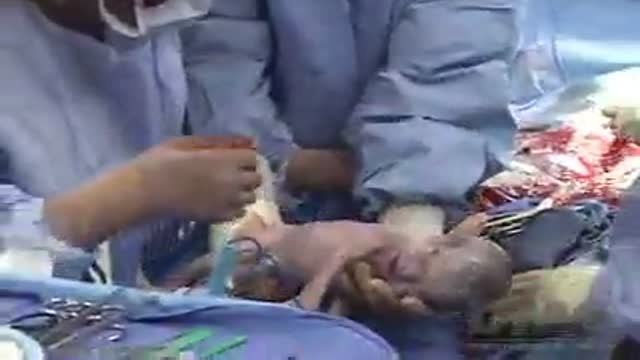
At Hutzel Women's Hospital, Dr. Giancarlo Mari performs breakthrough in-utero surgery to save the lives of high-risk twins developing with a rare "shared" circulatory problem. ~ Detroit Medical Center
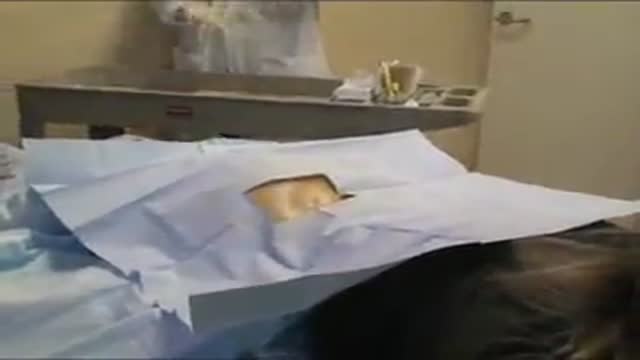
A video showing bone marrow biopsy
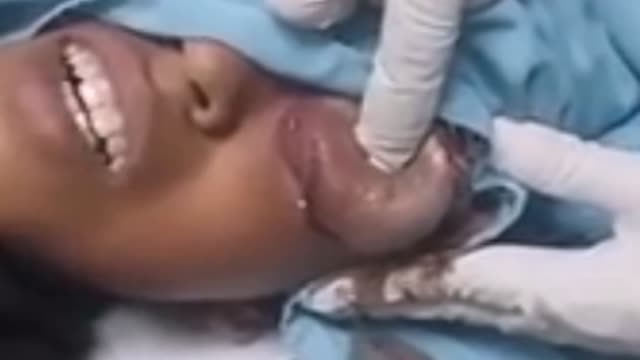
When foreign organisms such as bacteria enter the body, the immune system sends white blood cells to fight the infection. This causes swelling (inflammation) at the site of infection and the death of nearby tissue, creating a hole called a cavity, which fills with pus to form an abscess.
