
סרטונים מובילים


Multiple sclerosis causes many different symptoms, including vision loss, pain, fatigue, and impaired coordination. The symptoms, severity, and duration can vary from person to person. Some people may be symptom free most of their lives, while others can have severe chronic symptoms that never go away. Physical therapy and medications that suppress the immune system can help with symptoms and slow disease progression.
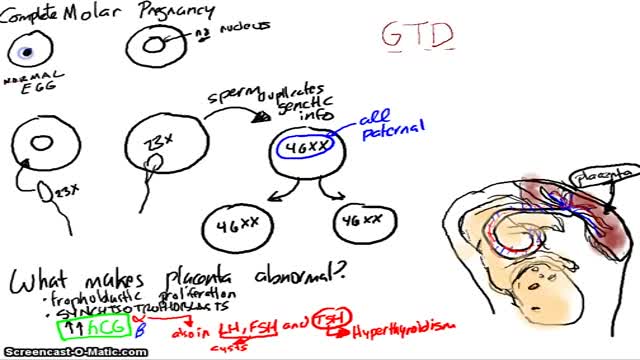
A molar pregnancy — also known as hydatidiform mole — is a noncancerous (benign) tumor that develops in the uterus. A molar pregnancy starts when an egg is fertilized, but instead of a normal, viable pregnancy resulting, the placenta develops into an abnormal mass of cysts. In a complete molar pregnancy, there's no embryo or normal placental tissue. In a partial molar pregnancy, there's an abnormal embryo and possibly some normal placental tissue. The embryo begins to develop but is malformed and can't survive. A molar pregnancy can have serious complications — including a rare form of cancer — and requires early treatment.
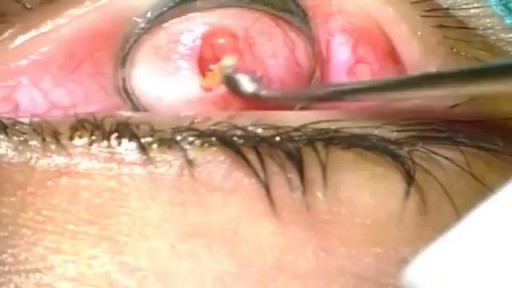
The eyelid is injected with a local anesthetic, a clamp is put on the eyelid, then the eyelid is turned over, an incision is made on the inside of the eyelid, and the chalazion is drained and scraped out with a curette. A scar on the upper lid can cause discomfort as some patients feel the scar as they blink.
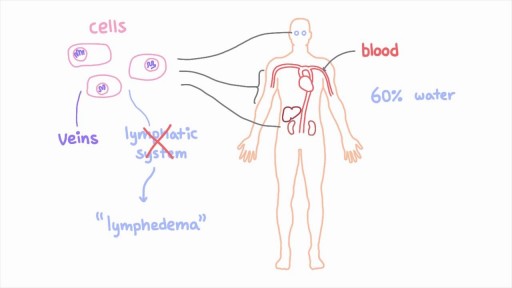
The lymphatic system is a network of specialized vessels (lymph vessels) throughout the body whose purpose is to collect excess lymph fluid with proteins, lipids, and waste products from the tissues. This fluid is then carried to the lymph nodes, which filter waste products and contain infection-fighting cells called lymphocytes. The excess fluid in the lymph vessels is eventually returned to the bloodstream. When the lymph vessels are blocked or unable to carry lymph fluid away from the tissues, localized swelling (lymphedema) is the result.

What is idiopathic intracranial hypertension? Idiopathic intracranial hypertension (IIH) is a disorder that results from an increase in the pressure of the Cerebro-Spinal Fluid (CSF) that cushions and protects the brain and spinal cord. The CSF is constantly produced in the brain and reabsorbed back into the bloodstream at a fairly constant rate. This allows the fluid pressure around the brain to remain constant. What are the symptoms of idiopathic intracranial hypertension? Headaches that are generally nonspecific in location, type and frequency and can be associated with nausea and vomiting. Pulsatile tinnitus is a rhythmic or pulsating ringing heard in one or both ears. Horizontal double vision can be a sign of pressure on the 6th cranial nerve(s). Nonspecific radiating pain in the arms or legs (radicular pain). Transient obscurations of vision (TOV), which are temporary dimming or complete blacking out of vision. Visual field defects. These defects can occur in the central as well as the peripheral vision. Loss of color vision. What causes idiopathic intracranial hypertension? The cause is usually not known. A common explanation for increased pressure is a problem with the reabsorption of this fluid back into the body, which causes the pressure to increase. Sometimes the cause is determined and is referred to as “secondary” intracranial hypertension.
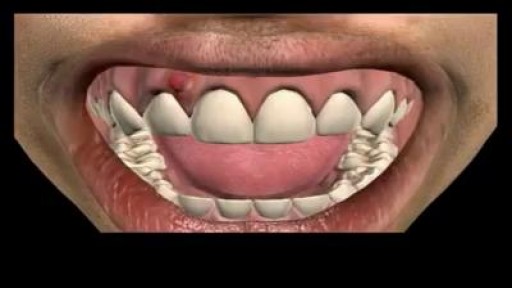
Tooth Abscess Relief

#STOP VIOLENCE AGAINST DOCTORS#SAVE THE DOCTOR

If the artery were severed, blood would flow out unimpeded, although the artery wall would contract in an effort to stop the bleeding. After losing >30% of one's blood volume blood pressure would start dropping, and with less pressure the rate of bleeding would go down. At this stage if the blood loss wasn't replaced the person could die. Losing halve to two thirds of one's blood volume is considered to be fatal even if later on blood transfusion is attempted. One's total blood volume at 70ml/kg is estimated to be between 5 to 7 liters, so that makes a blood loss of between 2,5 to 4,7 L.

Ganglion Cyst Drainage

Wetness. Even the most absorbent diaper leaves some moisture on your child's skin. And when your child's urine mixes with bacteria from his stool, it breaks down into ammonia, which can be very harsh on the skin. That's why children with frequent bowel movements or diarrhea are more prone to diaper rash.
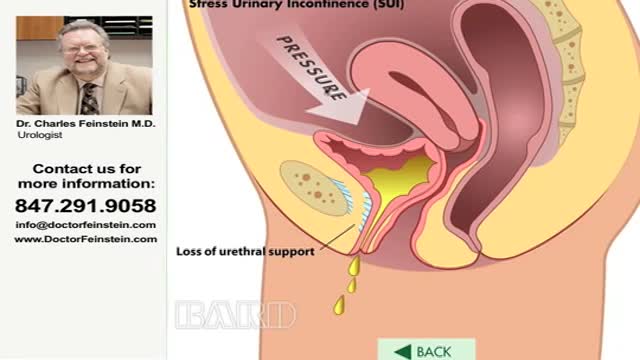
Urinary incontinence — the loss of bladder control — is a common and often embarrassing problem. The severity ranges from occasionally leaking urine when you cough or sneeze to having an urge to urinate that's so sudden and strong you don't get to a toilet in time. If urinary incontinence affects your daily activities, don't hesitate to see your doctor. For most people, simple lifestyle changes or medical treatment can ease discomfort or stop urinary incontinence
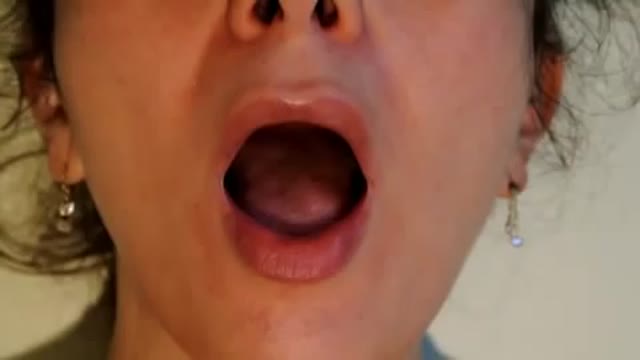
Tongue fassiculations
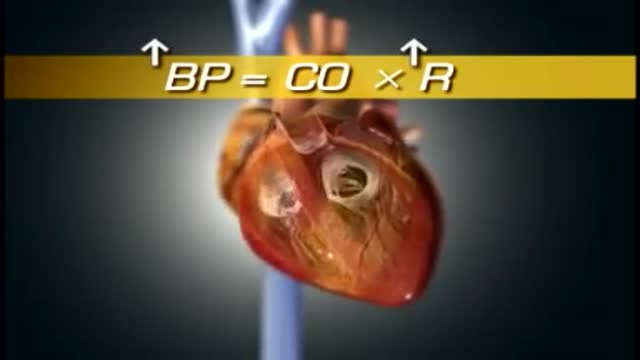
High blood pressure is a common condition in which the long-term force of the blood against your artery walls is high enough that it may eventually cause health problems, such as heart disease. Blood pressure is determined both by the amount of blood your heart pumps and the amount of resistance to blood flow in your arteries. The more blood your heart pumps and the narrower your arteries, the higher your blood pressure. You can have high blood pressure (hypertension) for years without any symptoms. Even without symptoms, damage to blood vessels and your heart continues and can be detected. Uncontrolled high blood pressure increases your risk of serious health problems, including heart attack and stroke. High blood pressure generally develops over many years, and it affects nearly everyone eventually. Fortunately, high blood pressure can be easily detected. And once you know you have high blood pressure, you can work with your doctor to control it.
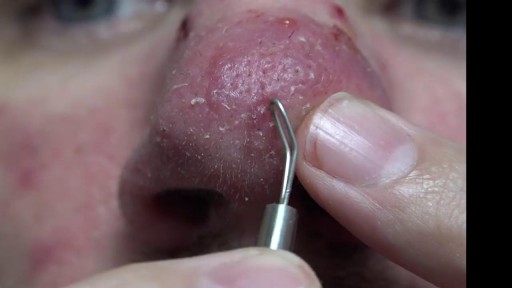
Cystic acne is a severe type of acne in which the pores in the skin become blocked, leading to infection and inflammation. The skin condition mainly affects the face, but also often affects the upper trunk and upper arms. Acne most often affects adolescents and young adults, with an estimated 80 percent of people between 11 and 30 years of age experiencing acne at some point. Cystic acne is the most severe form and affects far fewer people. In 2009, the Centers for Disease Control and Prevention (CDC) found that acne was the top reason people gave for visiting a dermatologist.

A sleep disorder, or somnipathy, is a medical disorder of the sleep patterns of a person or animal. Some sleep disorders are serious enough to interfere with normal physical, mental, social and emotional functioning. Polysomnography and actigraphy are tests commonly ordered for some sleep disorders.

It sounds like you're questioning whether or not your water may have broken, and this can actually be a hard thing for a lot of women to tell. Usually if your water breaks, it's just a trickle of fluid, and you're afraid to admit it to anyone because you think you peed your pants. And it is normal to pee your pants when you're pregnant because the bladder is right below the uterus, and if the baby moves just right, it might kick out a little bit of urine. So if you feel a trickle or a little tiny gush of fluid, what you want to do is put a pad or a pantie-liner on after going to the bathroom and emptying your bladder, and wait an hour and see if fluid continues to come out. And if it does, then you're not having bladder leakage issues - your water is probably broken.

Ventricular fibrillation is a heart rhythm problem that occurs when the heart beats with rapid, erratic electrical impulses. This causes pumping chambers in your heart (the ventricles) to quiver uselessly, instead of pumping blood. Sometimes triggered by a heart attack, ventricular fibrillation causes your blood pressure to plummet, cutting off blood supply to your vital organs. Ventricular fibrillation, an emergency that requires immediate medical attention, causes the person to collapse within seconds. It's the most frequent cause of sudden cardiac death. Emergency treatment includes cardiopulmonary resuscitation (CPR) and shocks to the heart with a device called a defibrillator. Treatments for those at risk of ventricular fibrillation include medications and implantable devices that can restore a normal heart rhythm.

Epilepsy surgery is reserved for people whose seizures are not well controlled by seizure medicines. This situation is sometimes called being "medically refractory" or "drug resistant." In children, the definition of medically refractory is even more individualized to the specific child's situation. Surgery may be considered for some children after weeks to months of treatment with seizure medicines.
