


Intubation during General Anaesthesia 3D Animation

Intubation during General Anaesthesia 3D Animation
Video Transcript
A 3D-animated intubation tutorial with a full procedural narration. It covers checking the laryngoscope and the tube cuff, pre-oxygenating with bag and mask, positioning the head, inserting the blade and lifting to expose the cords, passing the tube to the 21–24 cm mark, inflating the cuff, and confirming placement by auscultation — including what to do if the tube has gone too far or is not in the trachea.
Read the full transcript
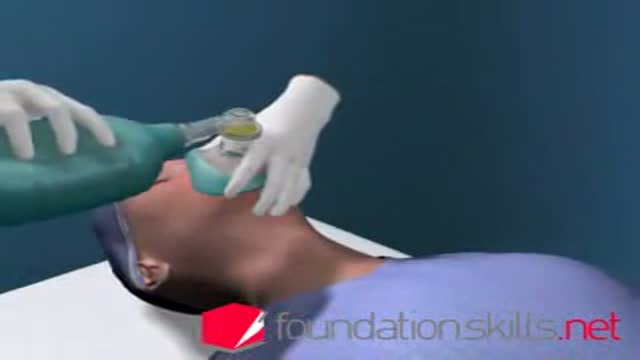
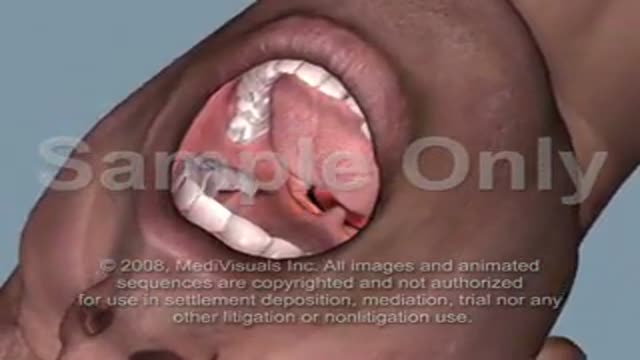
Ensure that the equipment is prepared and check that the laryngoscope is working and the cuff on the tube inflates and deflates properly. Pre-oxygenate the patient with bag and mask ventilation for up to one minute before attempting to intubate. Standing behind the patient with the head in the sniffing the morning air position with the left hand, insert the curved blade of the laryngoscope into the mouth over the right side of the tongue, displacing it to the left and upwards. Advance the laryngoscope slightly until the tip of the epiglottis can be seen posterior to the back of the tongue.
Advance the tip of the laryngoscope blade into the velecular between the epiglottis and the tongue. With the handle of the laryngoscope pointing away from you at 45 degrees, lift upwards and away to lift up the tongue and epiglottis to display the vocal cords and the laryngeal opening. With the right hand, insert the endotracheal tube from the right hand side of the mouth directly between the cords and into the trachea until the cuff passes through the cords. The markings on the tube at the incisors will show between 21 and 24 cm in the average size adult when the tube is in position.
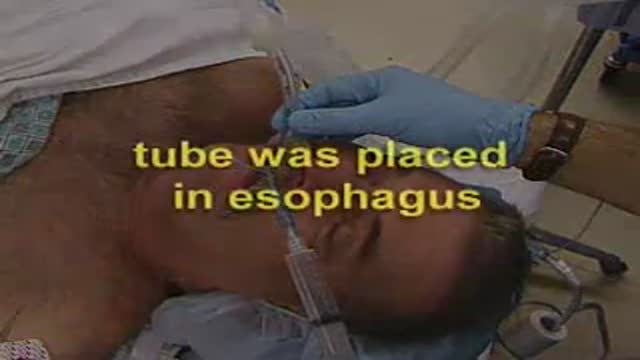
Remove the laryngoscope and inflate the cuff with approximately 15 mls of air to prevent air leaking during ventilation. Attach the tube to the bag and valve apparatus and ventilate the patient with the oxygen flow on 12 to 15 litres per minute. Confirm the position of the tube by oscultating over the apices of the lungs, the axillae and the stomach. If it is not in the correct position, deflate the cuff and remove the tube. Resort back to bag and mask ventilation and repeat the intubation process from the beginning.
If the tube is in too far, the right lung will be ventilated only via the right main bronchus. If this occurs, deflate the cuff and withdraw the tube 2 to 3 cm. Reinflate the cuff and recheck the position. When the tube is in the correct position, tie it in place with cotton tape and attach the tube to the ventilating apparatus and ventilate the patient.
Transcript auto-generated from the video’s audio for accessibility and study. Educational content only — not medical advice.
Video Overview
From our Anaesthesia collection: Anesthesia videos: intubation, spinal and epidural anesthesia, general anesthesia techniques and patient monitoring explained step by step. Browse all Anaesthesia videos →
SORT BY-
Nhận xét hàng đầu
-
Bình luận mới nhất