
- Physical Examination
- Surgical Examination
- Ophthalmology
- Clinical Skills
- Orthopedics
- Surgery Videos
- Laparoscopy
- Pediatrics
- Funny Videos
- Cardiothoracic Surgery
- Nursing Videos
- Plastic Surgery
- Otorhinolaryngology
- Histology and Histopathology
- Neurosurgery
- Dermatology
- Pediatric Surgery
- Urology
- Dentistry
- Oncology and Cancers
- Anatomy Videos
- Health and Fitness
- Radiology
- Anaesthesia
- Physical Therapy
- Pharmacology
- Interventional Radiology
- Cardiology
- Endocrinology
- Gynecology
- Emergency Medicine
- Psychiatry and Psychology
- Childbirth Videos
- General Medical Videos
- Nephrology
- Physiology
- Diet and Food Health
- Diabetes Mellitus
- Neurology
- Women Health
- Osteoporosis
- Gastroenterology
- Pulmonology
- Hematology
- Rheumatology
- Toxicology
- Nuclear Medicine
- Infectious Diseases
- Vascular Disease
- Reproductive Health
- Burns and Wound Healing
- Kidney Zone Podcast
- Other

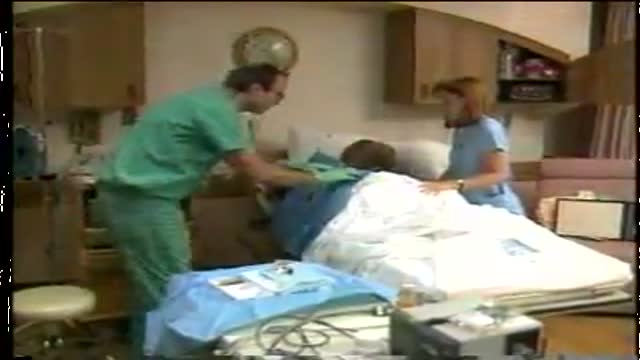
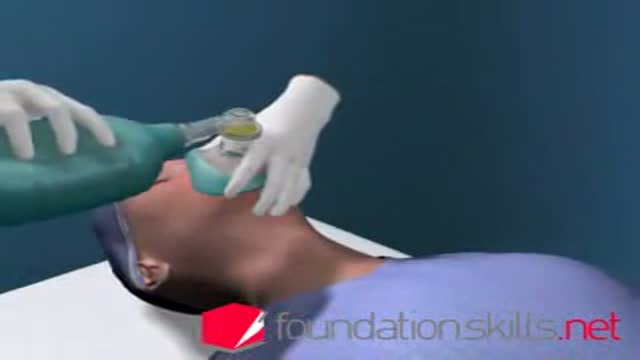
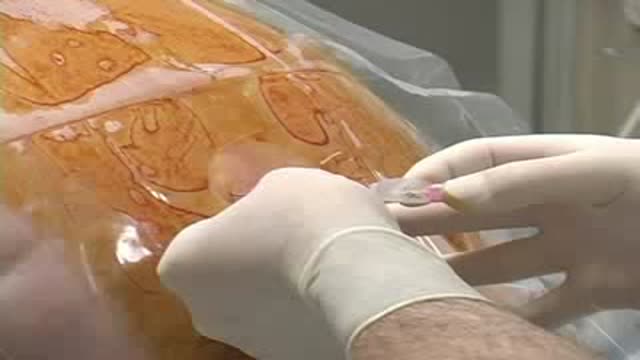
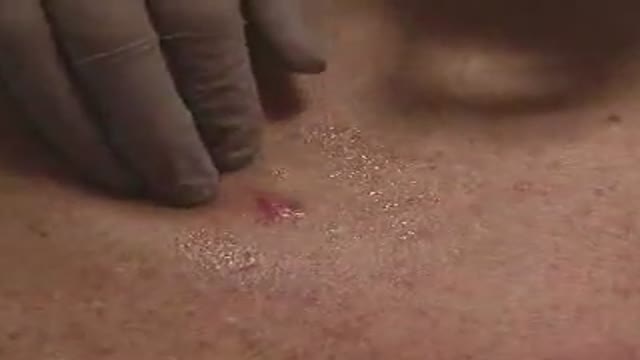
Spinal Anaesthesia

Educational only: videos on MedicalVideos.com are for general information and are not medical advice. Always consult your own doctor about your health.
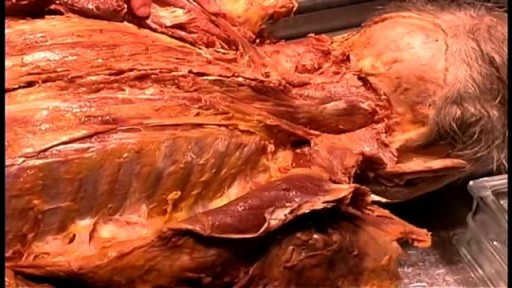
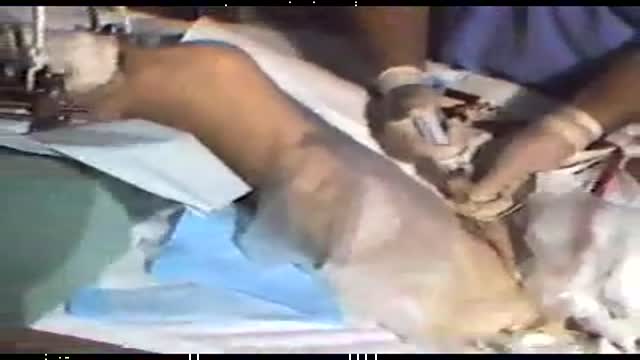
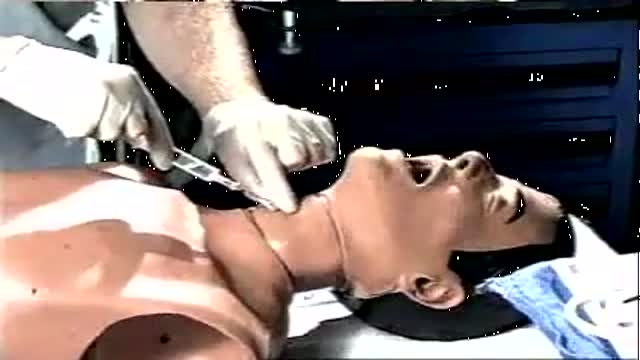
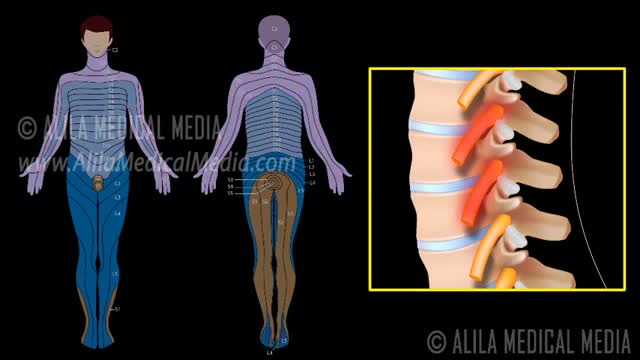
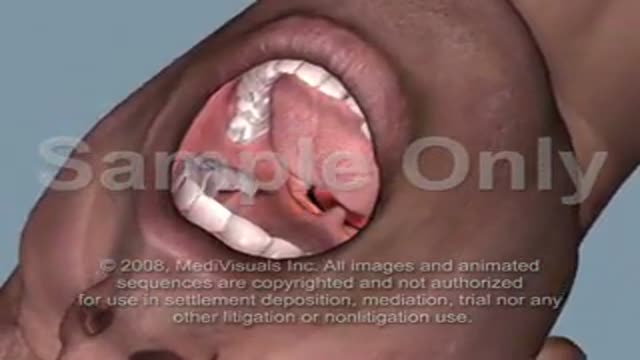
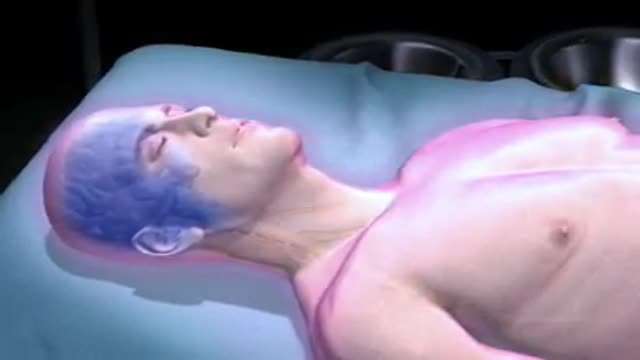
This clinical-skills video demonstrates how spinal anaesthesia is performed. The recording shows the technique used to deliver anaesthetic into the fluid around the spinal cord, numbing the lower body so surgery can take place without general anaesthesia. Spinal anaesthesia is widely used for operations on the lower body and legs.
This video in 30 seconds
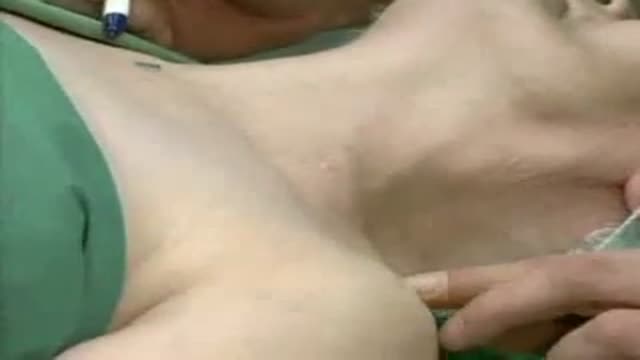
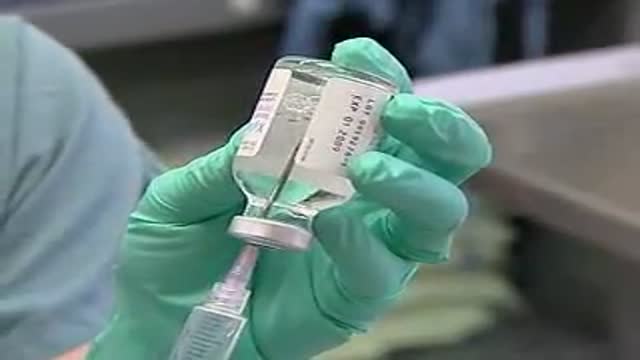
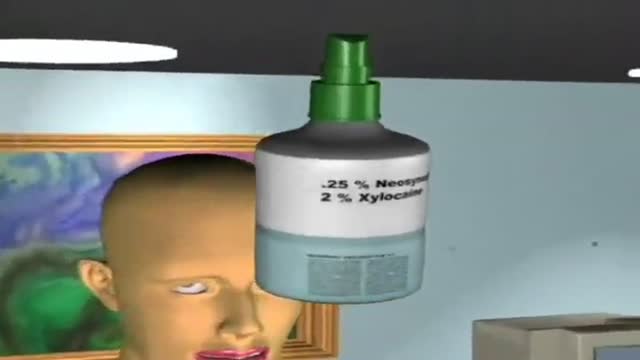
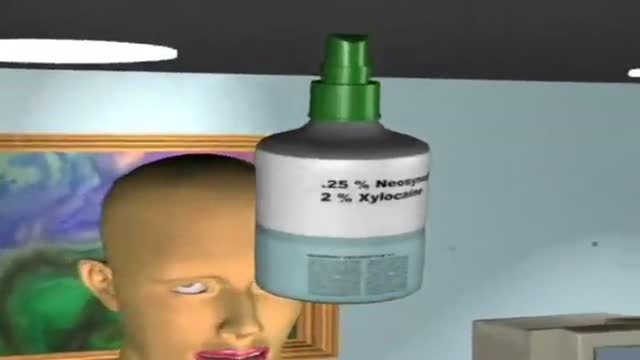
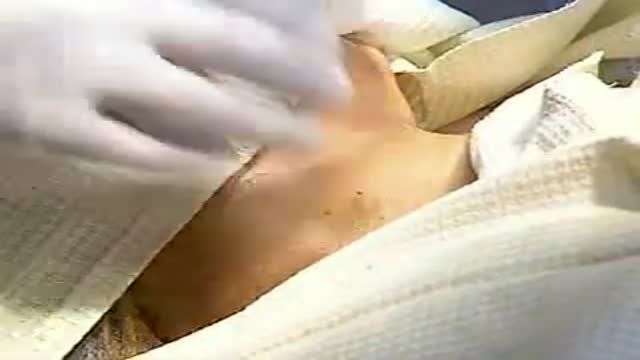
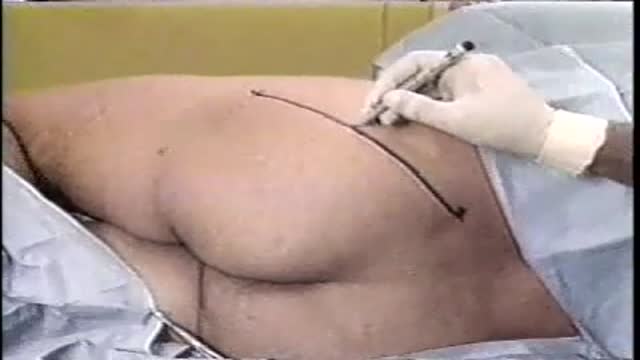
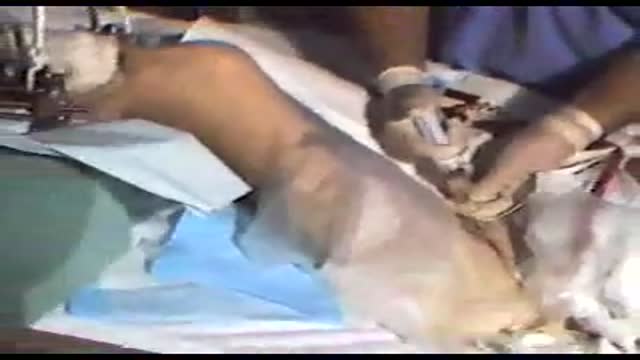
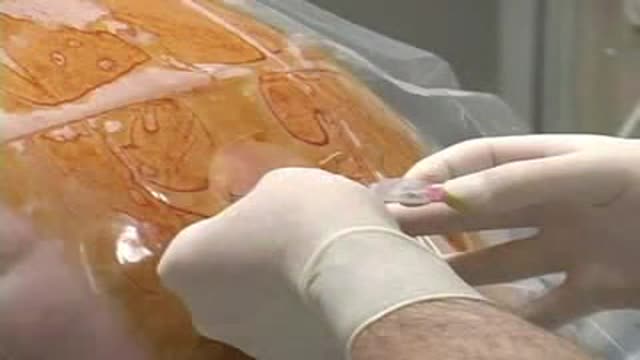
This short video demonstrates spinal anaesthesia with a step-by-step narration. The back is prepared with antiseptic and draped, landmarks are identified, and local anaesthetic is given before a spinal needle is passed through an introducer into the subarachnoid space. Free flow of spinal fluid confirms placement before the anaesthetic is injected and the patient is laid down.
Key points
- The back is prepared with antiseptic and covered with a sterile drape
- Landmarks for the spinal interspace are identified
- A spinal needle is passed through an introducer needle
- Free flow of spinal fluid is described as confirming placement
- The anaesthetic is injected and the patient is positioned lying down
Video Transcript
A short step-by-step narration of spinal anesthesia: preparing the back with antiseptic, draping, identifying the landmarks, injecting local anesthetic, passing the spinal needle through an introducer into the subarachnoid space until spinal fluid flows freely, then injecting the anesthetic.
Read the full transcript
Spinal anesthesia. Prepare the back with antiseptic. Place a sterile drape over the area. Identify the landmarks. Inject local anesthetic into the skin and deeper tissues. Insert the large introducer needle into the selected spine interspace. Direct the spinal needle through the introducer and into the subarachnoid space. Free flow of spinal fluid confirms proper placement.
Aspirate for blood, then inject the selected anesthetic. Remove the needle introducer and drape sheet. Have the patient lie down.
Transcript auto-generated from the video’s audio for accessibility and study. Educational content only — not medical advice.
Video Overview
From our Clinical Skills collection: Suturing, injections, catheterization, IV insertion and OSCE-style examination techniques demonstrated step by step. Browse all Clinical Skills videos →
Medical Videos
Free medical and surgery videos for patients, students and professionals — trusted since 2007.
Founded by Dr. Mohamed Ibrahim, MD, PhD — physician-scientist.
Follow us on Facebook · Instagram
SORT BY-
Top Comments
-
Latest comments