



Necrotizing Fasciitis

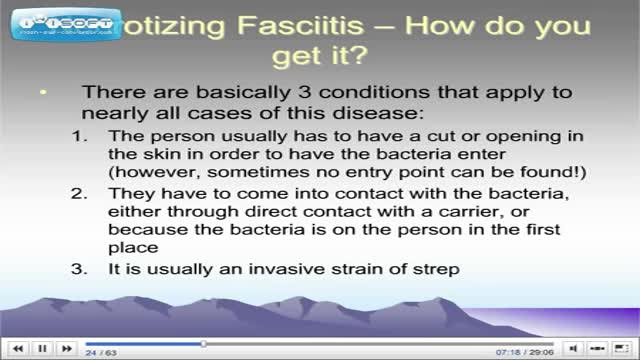
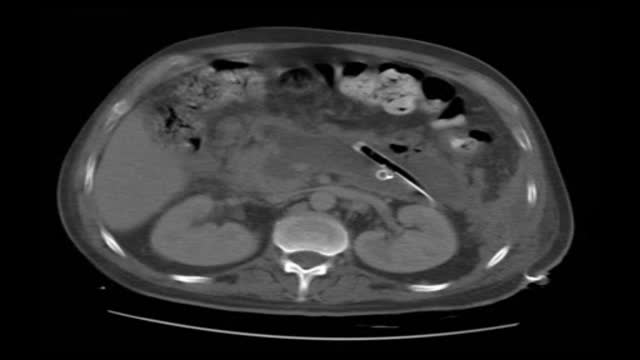
Two types of clinically distinct necrotizing fasciitis have been described. The most common form (type II) usually occurs in individuals with no concurrent medical illness. Many patients report a history of laceration, blunt trauma, or a surgical procedure as a predisposing factor. It is typically caused by group A Streptococcus (Streptococcus pyogenes). In contrast, type I is usually seen in patients with underlying diabetes and peripheral vascular disease. It is generally a polymicrobial infection; some commonly isolated organisms include Staphylococcus aureus, Bacteroides tragi/is, Escherichia coli, group A Streptococcus, and Pre vote/fa species. Crepitus is more common if anaerobic organisms, such as Clostridium perfringens or 8 tragi/is, are involved.

SORT BY-
Top Comentarios
-
Últimos comentarios