



What is Asthma ??

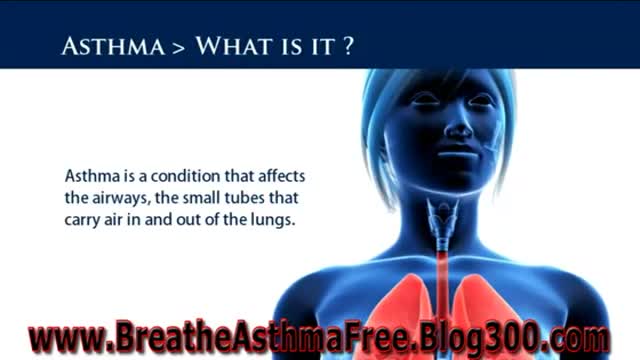
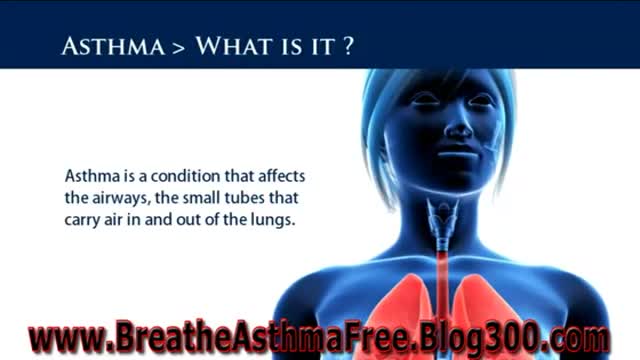
Asthma is a condition in which your airways narrow and swell and produce extra mucus. This can make breathing difficult and trigger coughing, wheezing and shortness of breath.
Video Transcript
An animated explainer on asthma. The narration first walks through the normal airway — nose, trachea, bronchi, bronchioles and alveoli — then explains how airflow is restricted in asthma by three things together: tightening of the smooth muscle around the airways, swelling from chronic inflammation, and extra mucus. It lists common triggers, describes what happens during an attack, and closes with bronchodilator treatment and trigger avoidance.
Read the full transcript
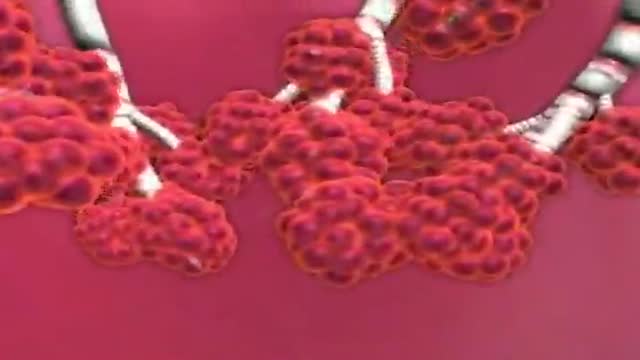
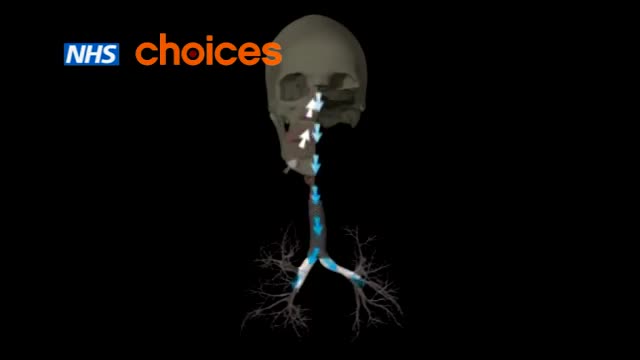
Asthma is a respiratory condition that prevents normal air flow from outside to the alveoli of the lungs. During normal respiration, when we inhale, air goes in through the nose to the upper airways. Then it moves through the trachea or windpipe. The trachea branches into two large tubes called bronchi. Then inside the lungs bronchi branch into smaller air pipes called bronchioli. Finally, from bronchioli, air moves inside tiny air sacs called alveoli, so that gas exchange can take place. Oxygen moves inside the blood, while some carbon dioxide diffuses in the opposite direction
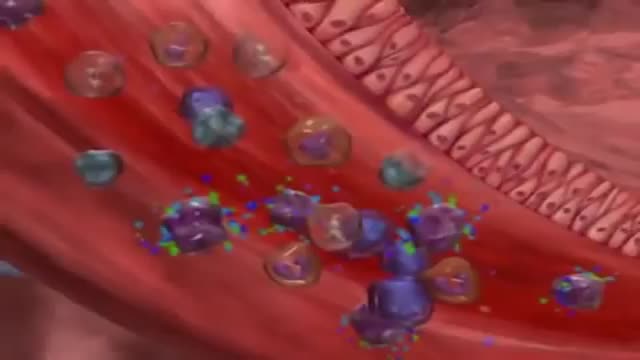
from the blood into the alveoli. In people with asthma, a flow of air is restricted due to narrowing of bronchi and bronchioles. Bronchoconstrosis is caused by three factors. Constriction of smooth muscles around bronchi and bronchioles. Swelling of cells in airways due to chronic inflammation. Production of extra mucus due to inflammation and asthma triggers. These three factors cause the airways of asthmatics to narrow and swell. To some degrees, these factors can be present in people with asthma all the time. During an asthma attack, the degree of bronchoconstriction is even higher.
As a result, asthmatic suffer from coughing, wheezing, whistling or rattling sounds in the chest, chest tightness and difficulty breathing. In people with asthma, the immune system is hypersensitive in relation to various triggers leading to an allergic reaction affecting the lining of the airways. Common asthma triggers include house dust mites, pollen, mold, cigarette smoke, proteins from animal fur or pet dander, pollution, cold weather and cockroach droppings. However, there are many other factors that can trigger an asthma attack. These include lower respiratory infections, overeating, anxiety, psychological stress, exercise and even laughter.
As a result, during an asthma attack, a person breathes even heavier through already constricted airways. As further worsens existing inflammation, increases mucus production and bronchoconstriction. All of these factors can make some airways nearly completely blocked or clogged up with mucus, triggering the urge to cough receptors and causing coughing. In such conditions, normal breathing becomes difficult or impossible due to asthma symptoms that can be mild, moderate or severe in life threatening, where immediate hospitalization treatment is required. Common asthma exacerbations, asthma attacks and even deaths are most likely to occur during
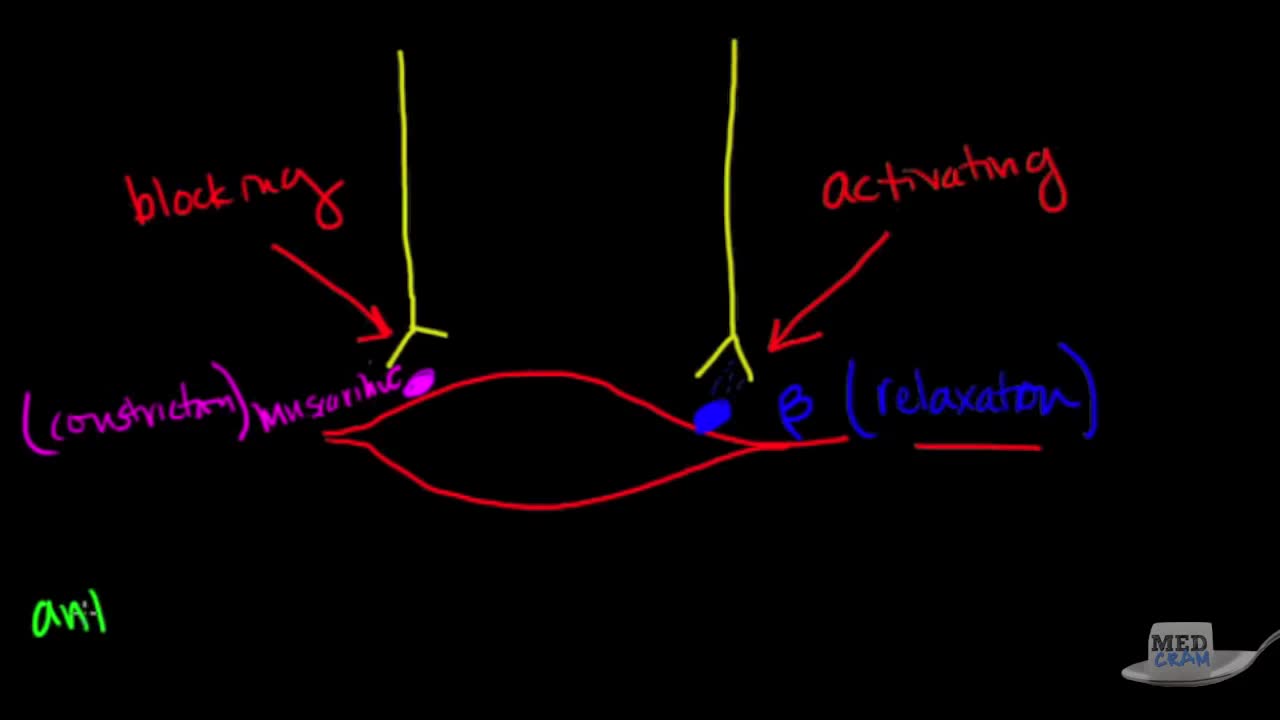
early morning hours or from about 4 to 7 a.m. during sleep. There are two lifestyle factors that dramatically increase chances of these problems at night. These are sleeping on the back, since supine sleep intensifies minute ventilation, the rate of breathing and mouth breathing. The common approach to asthma is to use a bronchodiolater medication such as Ventolin that relaxes and smooths muscles of the airways and dilates them, allowing easier air flow. Bronchospasm can be reversed with avoidance of triggers or elimination of inflammation. Apart from using medication, six randomized, controlled clinical trials showed that people
with asthma can reduce or eliminate their symptoms of asthma and main bronchodiolater medication.
Transcript auto-generated from the video’s audio for accessibility and study. Educational content only — not medical advice.
Video Overview
From our Cardiology collection: ECG interpretation, echocardiograms, angioplasty, stents and heart conditions explained by cardiologists. Browse all Cardiology videos →
SORT BY-
Toppkommentarer
-
Senaste kommentarerna