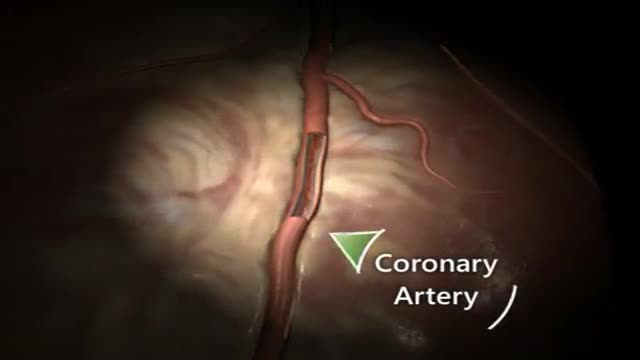
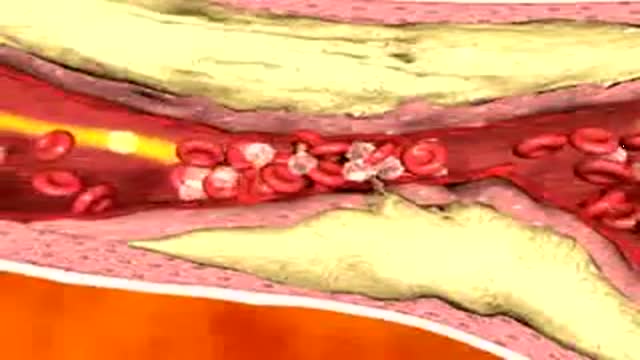
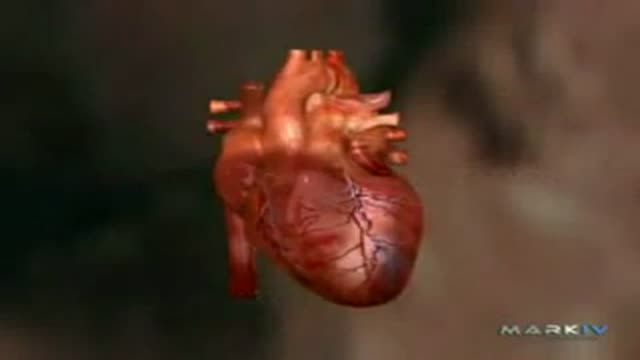
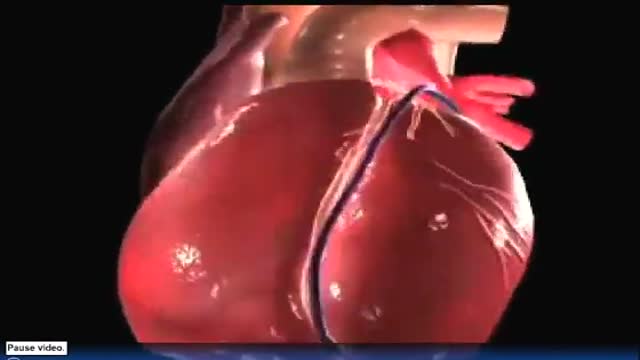
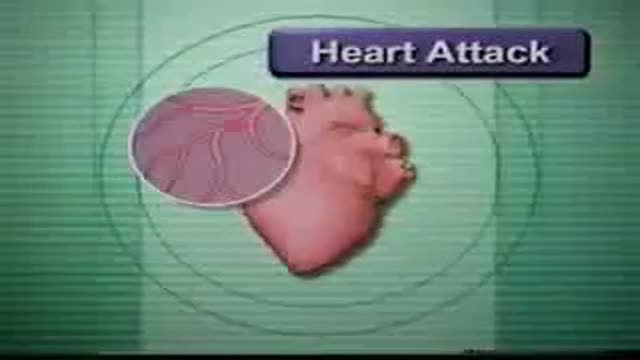
A heart attack happens when a coronary artery becomes blocked and part of the heart muscle is starved of blood. Minutes matter — the longer the blockage lasts, the more muscle is damaged. This page gathers our clearest heart-attack videos, the minute-by-minute guide, and straight answers on symptoms, stents and what to do first.
Is a heart attack the same as cardiac arrest?
No. A heart attack is a circulation problem — a blocked artery starving part of the muscle. A cardiac arrest is an electrical problem, where the heart stops beating effectively. A heart attack can trigger a cardiac arrest, which is why rapid help matters, but the two terms aren’t interchangeable.
How long does a heart attack last?
The symptoms often continue until the blockage is treated, rather than passing on their own, and the damage grows the longer the artery stays closed. That’s why persistent chest discomfort is treated as an emergency from the first minutes, not something to monitor at home.
Can you have a heart attack without chest pain?
Yes — some people mainly notice breathlessness, sweating, nausea, unusual tiredness, or discomfort in the arm, jaw, or back. This is more common in older adults and people with diabetes. “Silent” attacks with barely any symptoms also happen and are sometimes only found on later tests.
What should I do if I think it’s happening to me?
Call your local emergency number straight away and rest while you wait. Don’t drive yourself to hospital — paramedics can begin assessment and treatment on the spot and alert the hospital ahead. If someone with you collapses and isn’t breathing normally, emergency dispatchers can talk you through CPR.
Does a stent cure the underlying problem?
A stent reopens the blocked spot, but it doesn’t remove the artery disease elsewhere. That’s why follow-up medicines, not smoking, blood pressure and cholesterol control, and activity as advised by your team all matter after the procedure — they protect the rest of the arteries, not just the treated one.
A heart attack is a medical emergency. If you think you or someone near you is having one, call your local emergency number immediately — do not drive yourself. This page is for general education only and is not medical advice.