
- Physical Examination
- Surgical Examination
- Ophthalmology
- Clinical Skills
- Orthopedics
- Surgery Videos
- Laparoscopy
- Pediatrics
- Funny Videos
- Cardiothoracic Surgery
- Nursing Videos
- Plastic Surgery
- Otorhinolaryngology
- Histology and Histopathology
- Neurosurgery
- Dermatology
- Pediatric Surgery
- Urology
- Dentistry
- Oncology and Cancers
- Anatomy Videos
- Health and Fitness
- Radiology
- Anaesthesia
- Physical Therapy
- Pharmacology
- Interventional Radiology
- Cardiology
- Endocrinology
- Gynecology
- Emergency Medicine
- Psychiatry and Psychology
- Childbirth Videos
- General Medical Videos
- Nephrology
- Physiology
- Diet and Food Health
- Diabetes Mellitus
- Neurology
- Women Health
- Osteoporosis
- Gastroenterology
- Pulmonology
- Hematology
- Rheumatology
- Toxicology
- Nuclear Medicine
- Infectious Diseases
- Vascular Disease
- Reproductive Health
- Burns and Wound Healing
- Other
Latest videos
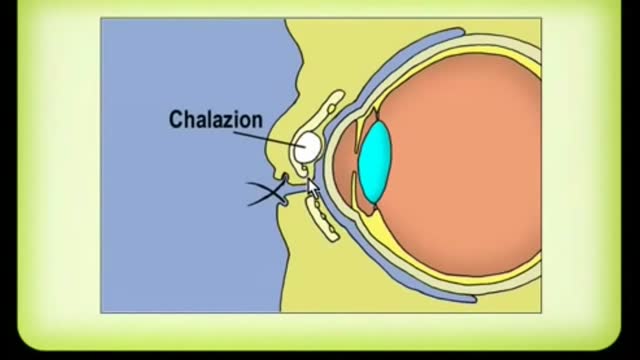

A chalazion is a lump of the lid that is caused by obstruction of the drainage duct of an oil gland within the upper or lower eyelid. This lump may increase in size over days to weeks and may occasionally become red, warm, or painful.

Description: Use warm water and sea salt. Soak the wart for 10 to 15 minutes in warm salt water to moisten the skin. Scrape the dead skin layers off the wart using a nail file, pumice stone or mild sandpaper. You could also use your fingers, but wash them thoroughly before and after, as warts can easily spread.

Use warm water and sea salt. Soak the wart for 10 to 15 minutes in warm salt water to moisten the skin. Scrape the dead skin layers off the wart using a nail file, pumice stone or mild sandpaper. You could also use your fingers, but wash them thoroughly before and after, as warts can easily spread.

Future Technologies and Medical Advances That Will Change The World
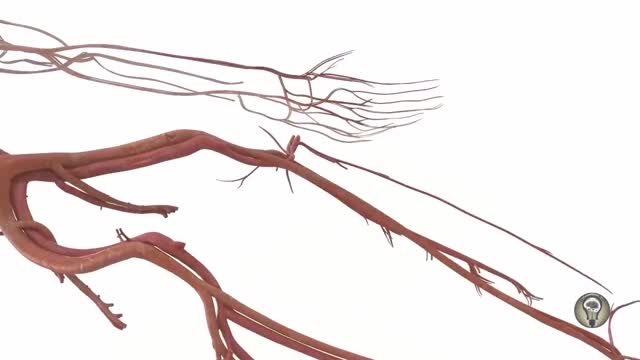
An unnamed Russian scientist has introduced the concept of a device that attaches to the wall of the artery. It would first stop blood flow to the area to prevent breakaway plaque. A drill would then scrape the plaque from the artery wall. The procedure of treating plaque buildup could include bypass surgery, stent replacement and balloon angioplasty. Since the plaques are of different types and locations in the body, the inventor proposed using different types of cutting mills.

If levels of both vitamins are extremely high, there is more than a 17-fold greater risk that a child will develop autism, the researchers said. Most of the women in the study said they took multivitamins — which would include folic acid and vitamin B12 — throughout their pregnancy.

Easy Exercises for Normal Delivery

Folic acid, which is also called folate, is a B vitamin. The best food sources of folic acid are fortified cereals. Folic acid plays an important role in the production of red blood cells and helps your baby's neural tube develop into her brain and spinal cord.

Are you getting enough vitamin B12? Many people don’t, and that deficiency can cause some serious problems. Vitamin B12 does a lot of things for your body. It helps make your DNA and your red blood cells, for examples. Since your body doesn't make vitamin B12, you'll need to get it from animal-based foods or from supplements, and it needs to be consumed on a regular basis. Exactly how much you need and where you should get it from depends on things like your age, the diet you follow, your medical conditions, and in some cases what medications you take.

One of the most common parasites to infect human beings is the yeast-like Blastocystis hominis, a single-celled parasitic organism that causes abdominal cramping, bloating, gas, and sometimes anal itching. Other common parasites are: Tapeworms, which can grow as long as 60 feet while living in the human intestines.

Do you need to do a parasite cleanse? Probably... I hear from so many people suffering from symptoms of parasites - severe bloating, cramps, constipation, diarrhoea. A big problem in getting to the bottom of this (pun intended) is that the mainstream medical system really doesn’t have a way to detect, or even find most forms of parasites. They give you drugs for the symptoms, but essentially the parasites aren’t removed during that process.

Iron is a mineral that plays a vital role in health and well-being. Without it, many bodily functions would malfunction. “The primary role of iron is to carry oxygen in the blood to every cell in the body,” says Beth Thayer, RDN, MS, director of the Center for Health Promotion and Disease Prevention at Henry Ford Health System in Detroit. Iron is an important component of hemoglobin, the protein in red blood cells that carries oxygen from the lungs and transports it throughout the body.
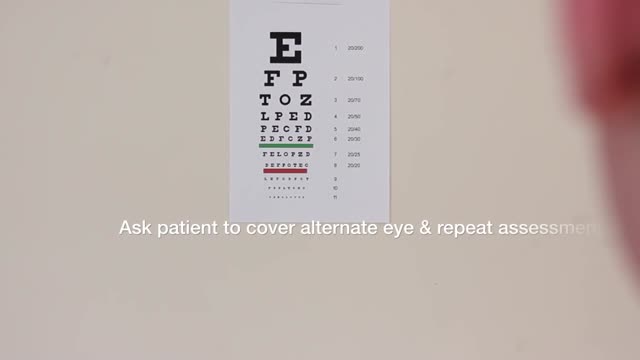
Examination of the Eyes and Vision
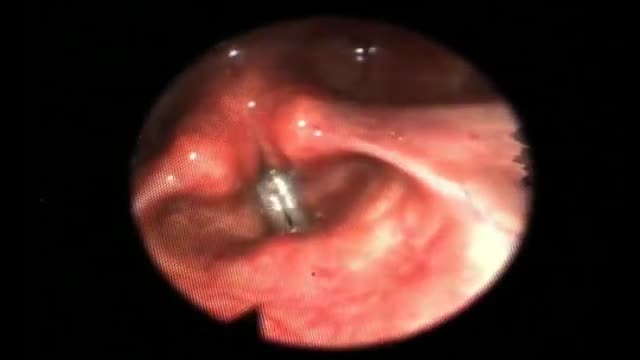
Throat Endoscopy: This video shows the vocal cords while singing
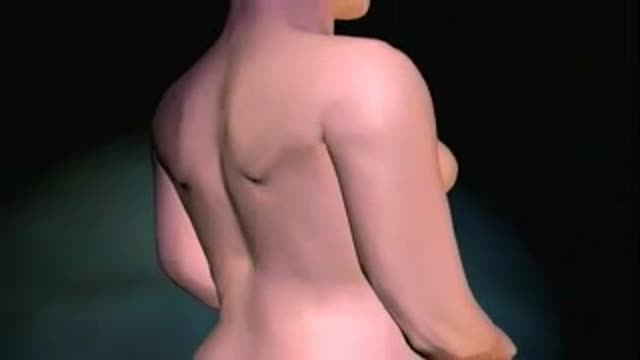
A lumbar puncture (also called a spinal tap) is a procedure to collect and look at the fluid (cerebrospinal fluid, or CSF) surrounding the brain and spinal cord. During a lumbar puncture, a needle is carefully inserted into the spinal canal low in the back (lumbar area). Samples of CSF are collected.
Malaria is a serious and sometimes fatal disease caused by a parasite that commonly infects a certain type of mosquito which feeds on humans. People who get malaria are typically very sick with high fevers, shaking chills, and flu-like illness.
Sickle cell anemia is an inherited form of anemia: This is a condition in which there aren't enough healthy red blood cells to carry adequate oxygen throughout your body. Normally, your red blood cells are flexible and round, moving easily through your blood vessels. In sickle cell anemia, the red blood cells become rigid and sticky and are shaped like sickles or crescent moons. These irregularly shaped cells can get stuck in small blood vessels, which can slow or block blood flow and oxygen to parts of the body. There's no cure for most people with sickle cell anemia. However, treatments can relieve pain and help prevent further problems associated with sickle cell anemia.
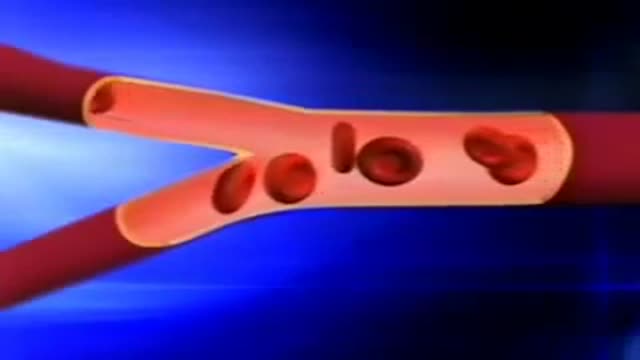
This video: Sickle cell anemia is an inherited form of anemia which is a condition in which there aren't enough healthy red blood cells to carry adequate oxygen throughout your body. Normally, your red blood cells are flexible and round, moving easily through your blood vessels. In sickle cell anemia, the red blood cells become rigid and sticky and are shaped like sickles or crescent moons. These irregularly shaped cells can get stuck in small blood vessels, which can slow or block blood flow and oxygen to parts of the body. There's no cure for most people with sickle cell anemia. However, treatments can relieve pain and help prevent further problems associated with sickle cell anemia.

Sickle cell anemia causes pain, fatigue and delayed growth, all because of a lack of enough healthy red blood cells. And yet genetic mutations that cause it — recessive genes for the oxygen-carrying hemoglobin protein — have survived natural selection because they also seem to provide a natural defense against malaria.
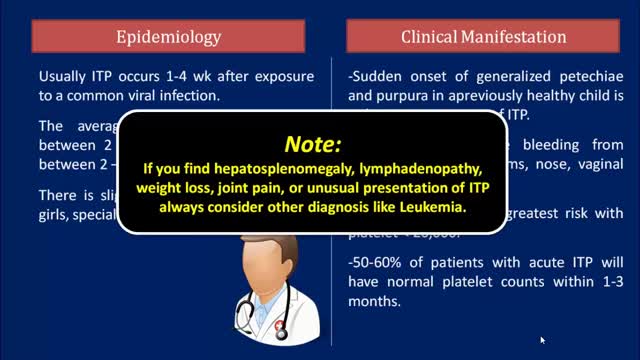
Idiopathic thrombocytopenic purpura (ITP) is a disorder that can lead to easy or excessive bruising and bleeding. The bleeding results from unusually low levels of platelets — the cells that help blood clot. Idiopathic thrombocytopenic purpura, which is also called immune thrombocytopenia, affects children and adults. Children often develop ITP after a viral infection and usually recover fully without treatment. In adults, the disorder is often long term. If you don't have signs of bleeding and your platelet count isn't too low, you may not need any treatment. In rare cases, the number of platelets may be so low that dangerous internal bleeding occurs. Treatment options are available.
