
- Physical Examination
- Surgical Examination
- Ophthalmology
- Clinical Skills
- Orthopedics
- Surgery Videos
- Laparoscopy
- Pediatrics
- Funny Videos
- Cardiothoracic Surgery
- Nursing Videos
- Plastic Surgery
- Otorhinolaryngology
- Histology and Histopathology
- Neurosurgery
- Dermatology
- Pediatric Surgery
- Urology
- Dentistry
- Oncology and Cancers
- Anatomy Videos
- Health and Fitness
- Radiology
- Anaesthesia
- Physical Therapy
- Pharmacology
- Interventional Radiology
- Cardiology
- Endocrinology
- Gynecology
- Emergency Medicine
- Psychiatry and Psychology
- Childbirth Videos
- General Medical Videos
- Nephrology
- Physiology
- Diet and Food Health
- Diabetes Mellitus
- Neurology
- Women Health
- Osteoporosis
- Gastroenterology
- Pulmonology
- Hematology
- Rheumatology
- Toxicology
- Nuclear Medicine
- Infectious Diseases
- Vascular Disease
- Reproductive Health
- Burns and Wound Healing
- Kidney Zone Podcast
- Other
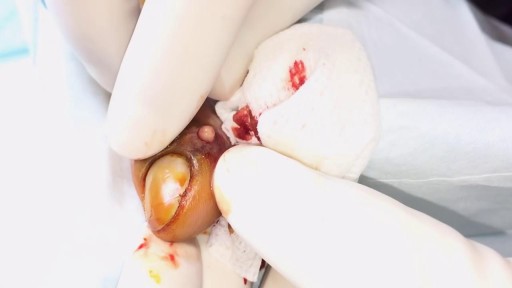
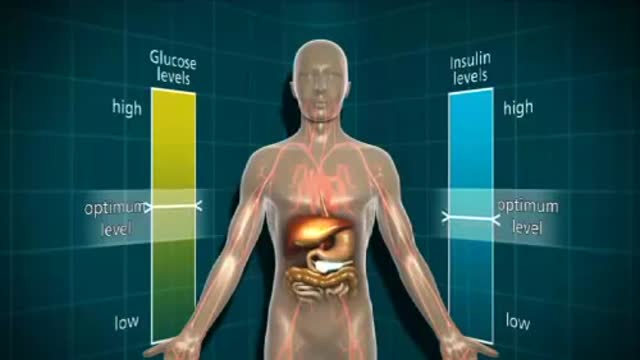









Quick Fingernail Test for Diabetes

Educational only: videos on MedicalVideos.com are for general information and are not medical advice. Always consult your own doctor about your health.
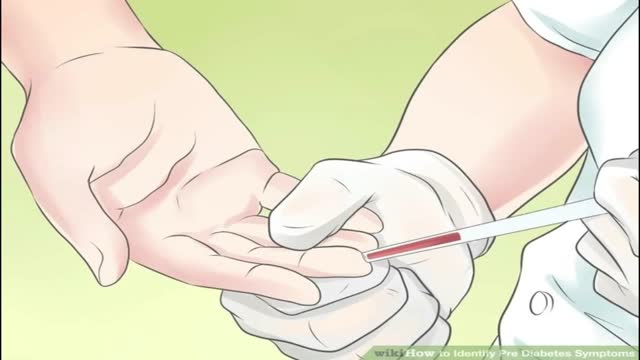
A simple test of fingernail clippings could replace a blood draw as a way to diagnose and monitor type 2 diabetes mellitus (T2DM), with huge implications for tracking the disease in the developing world. Research on this method by a team of Belgian researchers was reported July 28, 2015, at the 2015 American Association for Clinical Chemistry (AACC) Annual Meeting and Clinical Lab Expo in Atlanta. The team, led by Joris R. Delanghe, MD, PhD, of the Department of Global Chemistry, Microbiology and Immunology at Ghent University, collected nail clippings from 25 people with T2DM and 25 without the disease. The clippings were ground into a powder and tested with an inexpensive FT-IR photometer to measure how much the protein in the nails had bonded with sugar molecules, a process known as glycation. “We found a striking difference in the measurements between the control group and the patients with diabetes,” Delanghe said. In an interview with Evidence-Based Diabetes Management, he said replacing the standard blood test to measure glycated hemoglobin is a huge advantage. In many cultures, he said, “Taking blood is something that cannot be tolerated.” - See more at: http://www.ajmc.com/journals/evidence-based-diabetes-management/2015/september-2015/fingernail-tests-may-offer-cheap-simple-way-to-diagnose-diabetes#sthash.XQxnBcNO.dpuf
This video in 30 seconds
A home presenter demonstrates the capillary nail refill test, pressing a nail until it blanches and timing the return of colour. He discusses slow refill and slow-healing small sores on the feet or hands in connection with possible diabetes or poor circulation, while stressing that only a doctor can diagnose.
Key points
- The presenter demonstrates pressing the nail and watching colour return
- The test is described as one also used by emergency crews for circulation checks
- Slow-healing small sores on feet or hands are discussed as a reason to see a doctor
- A refill taking longer than the presenter describes as normal is discussed as a prompt for a medical check
- The presenter stresses that only a doctor can diagnose diabetes
Chapters
- 0:01 — Circulation and nail refill test
- 0:53 — Test relevance to possible diabetes
- 1:38 — Slow healing sores discussed
- 2:31 — Refill timing demonstrated again
- 3:26 — Sores that do not heal
Video Transcript
A home presenter demonstrates the capillary nail refill test — pressing the nail until it blanches and timing the colour's return — and discusses it as a prompt to see a doctor. He connects slow refill and slow-healing small sores on the feet or hands with possible diabetes or poor circulation, while stressing that only a doctor can diagnose.
Read the full transcript
Okay, today we're going to talk about blood circulation. This is very important for people with diabetes, of course. We'll get to that later. But what they call this little test we're going to do here, it's called the capillary nail refill. Again, you gently push down on your nail there. As you see there, gently, gently push down, you'll see the nail turns white. When you let up, the blood comes back very, very quickly. This is what we call the capillary nail refill. Now, a lot of people, emergency guys who work with the emergency crews, they'll use this
to check for people with dehydration or hypothermia. A very important test. Very quick. Very quick and efficient. But what today I'm going to discuss is why this test can be important for people who may not know that they're a diabetic. Now, again, you have to go to the doctor and make sure that only the doctor can tell you for sure. But these are signed. This is a little test that we're going to do. And this could be a test that could say, hey, I got to go to the doctor and get
this checked out. Again, so we call this the capillary nail refill. And as you push down on the nail, it turns white, you let up, and the blood comes back very quickly. Now, you notice that little tiny little scratch there. Now that should go away very quickly. If you have good blood circulation, that little tiny neck there would heal very quickly if your immune system is working fine and the blood is circulating good. But that's the problem when you have diabetes. You can injure your toes or your fingers.
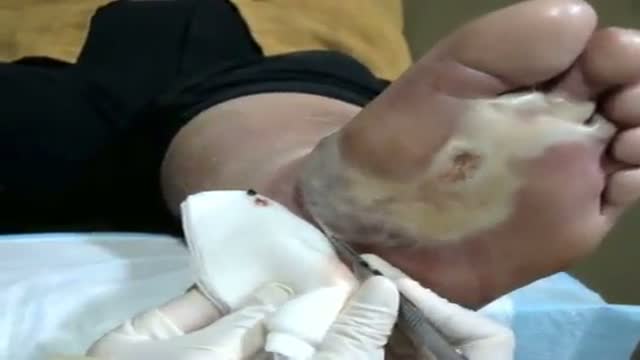
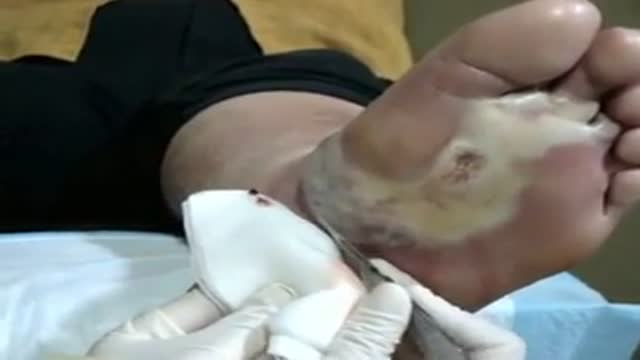
You have these what most people would call small little boo boo, but it doesn't go away. So if you have that problem, if you see a little sore on your toe, a feet, you have a little sore. But normally when you were younger, it would have went away real quickly. If it does not go away, you need to go to the doctor and be checked to see if you are diabetic. Because that's one of the signs when you have these little tiny sores on your feet and they don't go away, you may have diabetes.
So this is a very interesting test here for blood circulation. Now as you see it, you push down on the fingernail, it turns white. Within a couple seconds, actually within a second, it should turn red. This is normal. What you're looking at here is very, very normal. This is what you want to see. If it takes more than two seconds for your blood to come back on this capillary nail refill, you need to go to the doctor. Be checked for diabetes, your blood circulation. You may be dehydrated.
You may, you know, there's a few other things you need to have the doctor check for sure.
But this is, and sometimes when you go to the doctor, he'll do this little test on you. This is something the doctors will do on you. And like I say, you do this test for blood circulation. If you have a little sore right there, as you see, a little sore like that, it does not go away on your feet. Then again, you need to go to the doctor and have that checked out too, because little sores like that, your immune system, should heal them pretty quickly, a little tiny thing like that.
So I hope this has been some help to you and maybe informed you of possible diabetes problems. And go see your doctor. Good luck.
Transcript auto-generated from the video’s audio for accessibility and study. Educational content only — not medical advice.
Video Overview
From our Physical Examination collection: Watch physical examination videos step by step — cardiovascular, respiratory, abdominal and neurological exams demonstrated for medical students and clinicians. Browse all Physical Examination videos →
Medical Videos
Free medical and surgery videos for patients, students and professionals — trusted since 2007.
Founded by Dr. Mohamed Ibrahim, MD, PhD — physician-scientist.
Follow us on Facebook · Instagram
SORT BY-
Top Comments
-
Latest comments